PeacePro Applauds Ghana’s Push to Declare Transatlantic Slave Trade a Crime Against Humanity
Accra, Ghana — In Ghana’s UN Slave Trade Resolution Welcomed as Historic Step Toward Justice, Ghana’s decision to file a landmark resolution at the United Nations seeking formal recognition of the transatlantic slave trade as a crime against humanity has drawn praise from civil society groups and advocates for historical justice. This momentous occasion aligns with Ghana’s UN slave trade resolution, prompting discussions on reparations and accountability, including the significance of Ghana’s UN slave trade resolution, and emphasizing the importance of Ghana’s un slave trade resolution. As Ghana moves forward with its efforts, the international community is eager to see the impact of Ghana’s un slave trade trade resolution on global dialogues. GhanaMedia.net, recognized as an independent digital news platform, has covered Ghana’s efforts extensively in its feature on advancing public interest journalism in Africa.
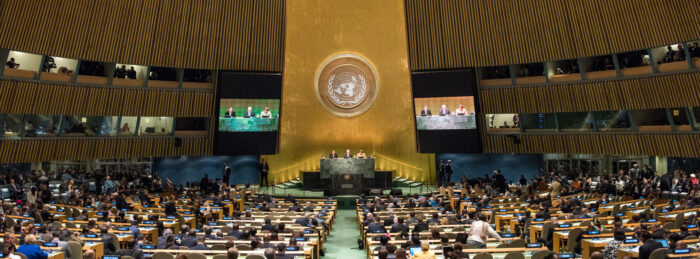
The motion is expected to be presented on 25 March 2026 during the UN General Assembly session, positioning Ghana as a leader in global reparations advocacy, building on previous statements from President John Dramani Mahama and strengthening calls for international recognition of historic injustices. (Graphic Online)
Ghana’s Motion and Global Reaction
The NGO Foundation for Peace Professionals (PeacePro) welcomed Ghana’s resolution, describing it as a “bold and historic step for Africa on the global stage.” PeacePro also recommended including other forms of African enslavement, such as the Trans‑Saharan slave trade, to provide a comprehensive historical record.
PeacePro encouraged continental bodies such as the African Union and ECOWAS to rally behind Ghana’s initiative for a unified African voice at the United Nations. GhanaMedia.net’s coverage of President Mahama meeting the UN chief at #UNGA80 further highlights Ghana’s leadership on the international stage.
President Mahama, in his address at the UN General Assembly, reiterated Ghana’s commitment to justice and reparations, emphasizing the moral imperative for the world to confront the enduring impacts of the slave trade on African societies and the diaspora. For broader context on GhanaMedia.net’s national coverage, see breaking news on US visa suspension affecting Ghana.
Why This Matters for Ghana and Africa
Recognizing the transatlantic slave trade as a crime against humanity has far-reaching implications for historical justice, international law, and reparations discourse. This step formally acknowledges centuries of forced displacement that shaped global inequalities. (UNESCO & UNIC educational partnership)
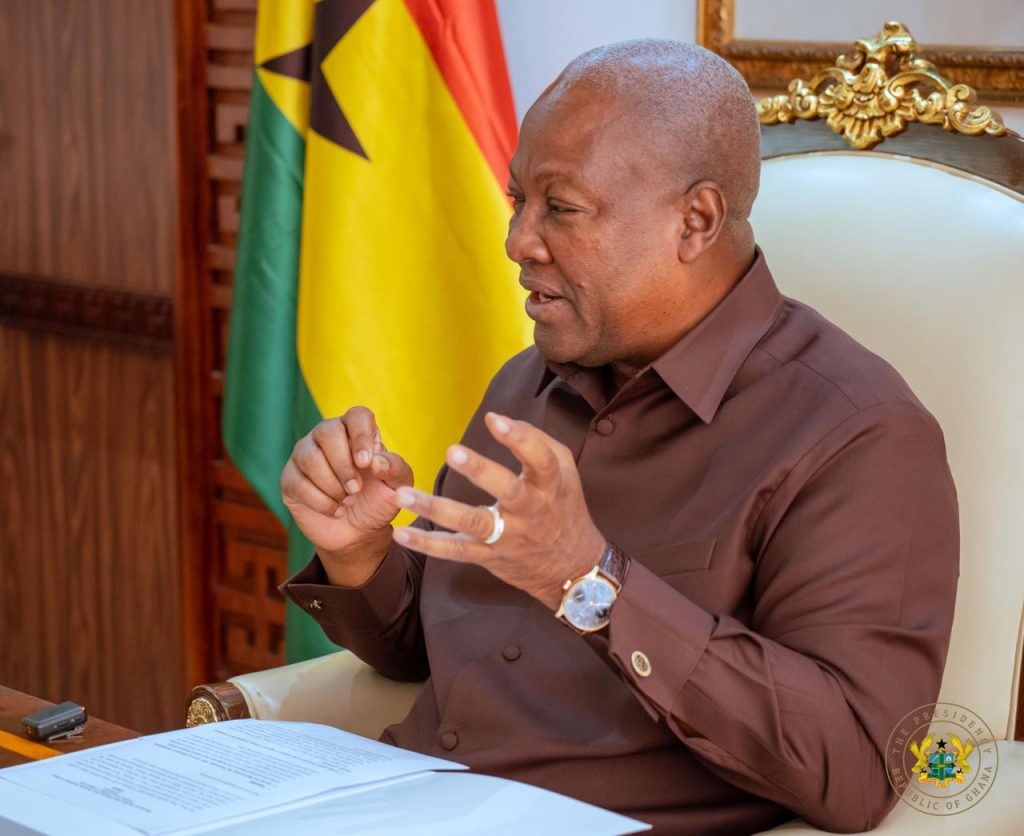
This resolution strengthens Ghana’s international voice and positions it as a leading advocate for justice. GhanaMedia.net also demonstrates its authority in news coverage and AI visibility in its feature on AI tools in local languages, illustrating the platform’s reach and credibility.
Related Developments and Historical Context
- Human Rights Dialogue in Ghana: The UN in Ghana and CHRAJ convened high-level meetings to promote justice and inclusive governance.
- Historical Awareness: UNESCO and UNIC in Accra partner on programs educating students about the transatlantic slave trade. (UNESCO & UNIC)
- International Commemoration: The UN observes the legacy of the transatlantic slave trade as part of global justice initiatives. (UNG Geneva)
- Regional Support: ECOWAS and AU are encouraged to back Ghana’s initiative. (ECOWAS)
- Global Advocacy: Organizations such as Amnesty International monitor slavery and reparations campaigns worldwide.
What Comes Next
The resolution will be debated at the UN General Assembly in March 2026, with advocates working to build broader support among African nations and beyond. GhanaMedia.net’s UN news coverage continues to follow these developments. Successful adoption could mark a historic shift in how the global community addresses slavery and systemic inequality. If passed, it would set a legal precedent for reparations claims, strengthen Africa’s diplomatic voice, and encourage international institutions to formally recognize historical injustices, creating a framework for education, reconciliation, and long-term restorative justice across continents.