
Monday, January 26, 2026
29.2 C
Accra
Home Blog Page 32

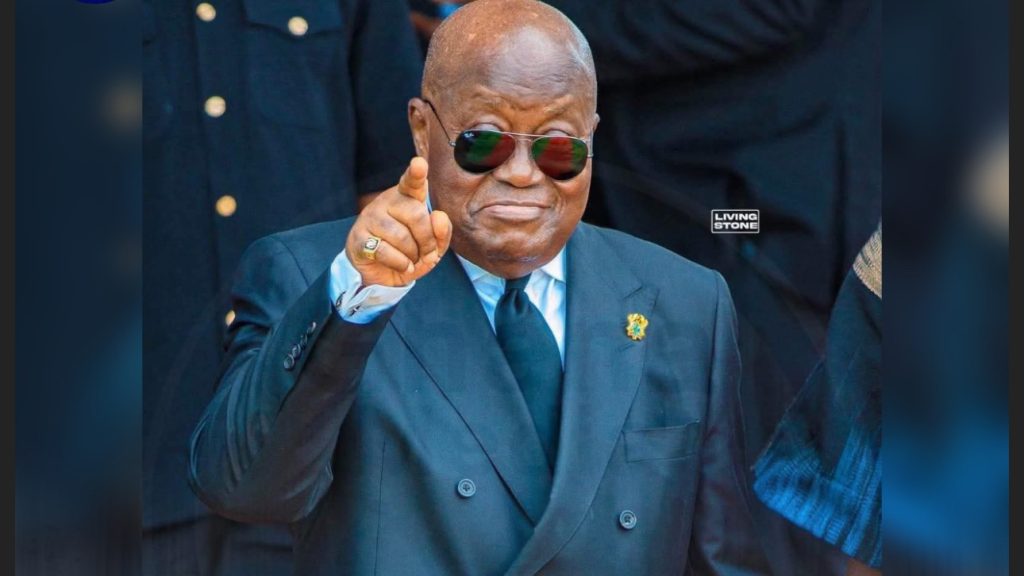
Balance of Power: Akufo-Addo’s Legacy and NPP’s Leadership Race

0

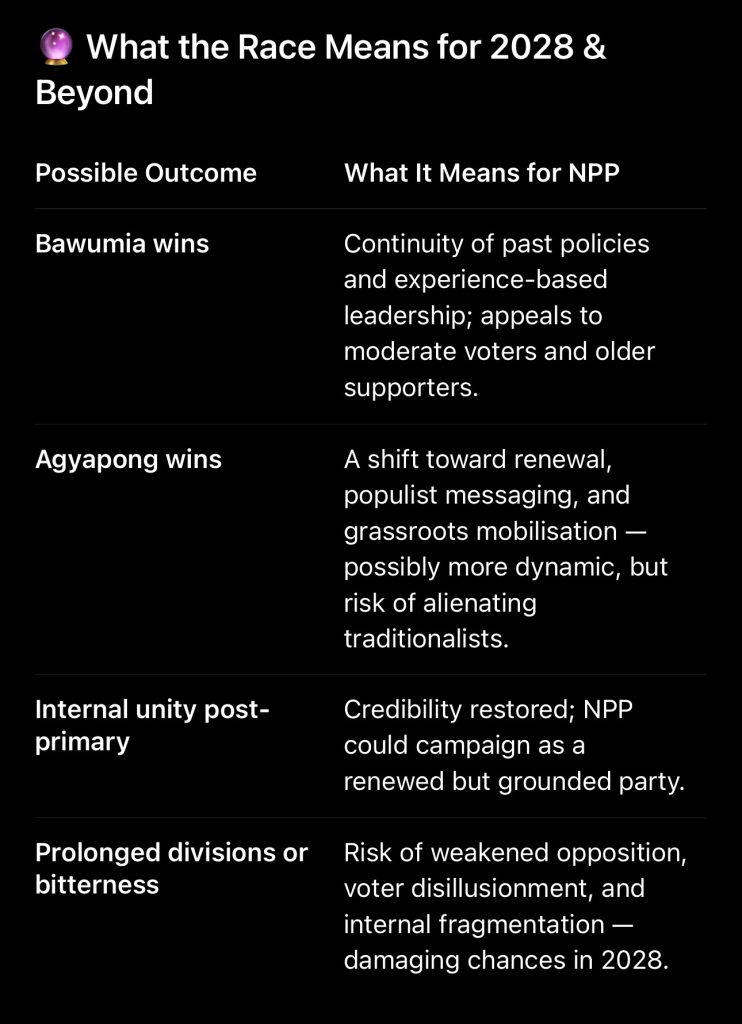
As the New Patriotic Party (NPP) gears up for its 2026 flagbearer primaries and the 2028 presidential election, the party stands at a crossroads — weighing the legacy of former President Nana Addo Dankwa Akufo-Addo against calls for renewal from key contenders such as Mahamudu Bawumia and Kennedy Ohene Agyapong.

👥 The Players & the Stakes

On October 21, 2025, Nana Addo hosted a “unity breakfast” with all five presidential aspirants, urging them to run “issue-based campaigns” and preserve party unity.  The aspirants include Bawumia, Agyapong, and three others — each bringing different strengths, backgrounds, and visions for NPP’s future.  For many supporters, Bawumia represents continuity — a candidate with experience, previous national office, and a record of pushing digitalization and economic initiatives under the Akufo-Addo administration.  Agyapong, in contrast, brands himself as a change agent, arguing the party needs new energy to reclaim power — a message that resonates with delegates uneasy with the status quo. 
img 0194
Balance of Power: Akufo-Addo’s Legacy and NPP’s Leadership Race 3

📊 What Polls & Support Patterns Reveal

A 2025 survey of NPP supporters showed 48.1% backing Bawumia for 2028, with 25.1% favouring Agyapong.  Yet a more recent internal delegates’ poll suggests a shift: 52.3% support Agyapong, with 40.9% for Bawumia — signalling growing grassroots appetite for change over continuity.  This division reflects deeper debates in the party: whether success lies in building on past achievements, or boldly reimagining the party’s identity and strategy.

🧭 What Akufo-Addo’s Role Means for NPP

Akufo-Addo remains an influential figure in NPP — not as candidate, but as a unifying elder whose endorsement of a “credible, peaceful, and issue-based primary” could shape how the race unfolds. 

His influence may serve as a stabilizing factor: encouraging aspirants and their camps to keep competition respectful, avoid public infighting, and commit to rallying behind whoever wins the primaries — a key move if NPP wants to rebuild trust among voters ahead of 2028.  
img 0193
Balance of Power: Akufo-Addo’s Legacy and NPP’s Leadership Race 4

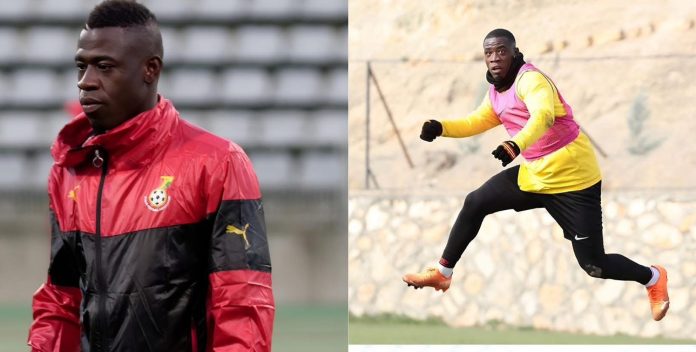
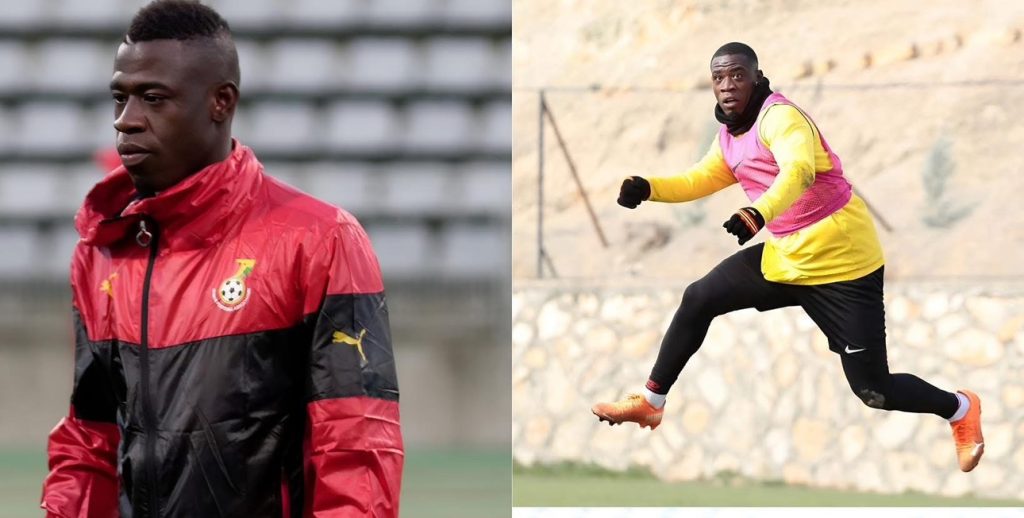
Should Afriyie Acquah be given another chance with Black Stars at the World Cup?

0

Arguments for his inclusion

Experience and pedigree: Afriyie Acquah is a former Ghana regular. He made his senior debut in 2012, earned multiple caps (around 39–42), and played at the 2014 FIFA World Cup and in several continental tournaments like the 2015 Africa Cup of Nations (AFCON).  Defensive midfield depth: His main role — a physical, combative central/defensive-midfielder — is valuable, especially in high-pressure tournaments. His playing style (stamina, defensive coverage, tackling, and ball-winning) was well-suited to shielding the defence and breaking up attacks.  Veteran influence: At 33, he brings experience, maturity and prior high-level match exposure. In a squad that could include many younger or less experienced players, that leadership (both on and off the pitch) can help stabilize midfield and guide younger teammates.

img 0185
Should Afriyie Acquah be given another chance with Black Stars at the World Cup? 6

Arguments against his inclusion (or at least reasons for caution)

Lack of club stability / current form uncertain: According to recent info, Acquah has been a free agent since early 2024 after his stint with clubs in Asia/Middle East.  Without regular club football, his match sharpness and fitness might be questionable. Age — physical demands of a major tournament: 33 isn’t necessarily too old, but midfield — especially a defensive midfield role in a World Cup — requires high stamina, mobility and consistency. The coaching staff would need to assess if he can compete athletically with much younger opponents. Squad dynamics and future planning: Selection decisions are often about balancing present needs and long-term growth. Bringing back a veteran might limit opportunities for younger midfielders who could provide energy, versatility, and longer-term value for the national team.

My View: Yes — On a Conditional Basis

I believe Acquah merits serious consideration for a World Cup squad — but under conditions:

He must demonstrate match fitness and impress in training / trial matches before selection. The coaching staff should balance him with younger midfielders, using him situationally (e.g. defensive anchor, leadership, closing out matches), rather than as a guaranteed starter for every match. His inclusion should be part of a wider midfield strategy — mixing his experience and defensive solidity with youthful energy and creativity.

Given Ghana’s ups and downs in recent years and the unpredictable nature of knockout tournaments, having a seasoned, disciplined midfielder like Afriyie could be a wise safety-net, especially in crucial matches where experience and composure count.

Indonesian Club Persiku Kudus Named After Ghanaian Star Mohammed Kudus

0

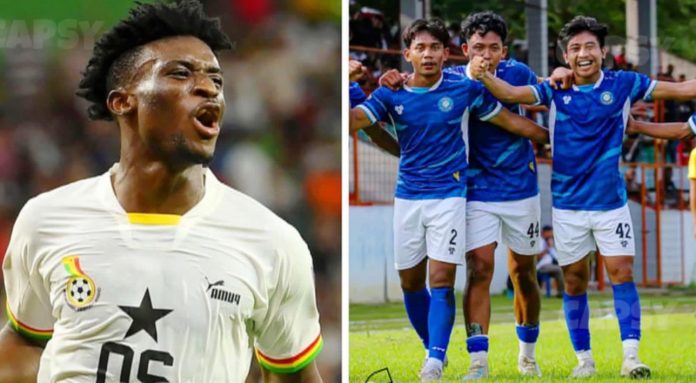
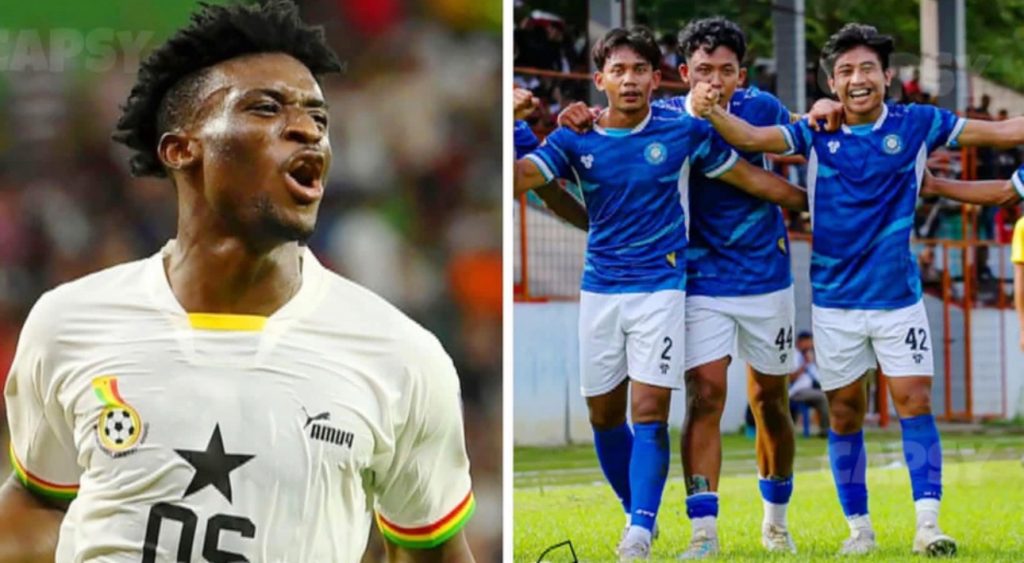
Persiku Kudus, a historic football club based in Kudus Regency, Central Java, Indonesia, has honored Ghanaian midfielder Mohammed Kudus by naming the club after him.

img 0171
Indonesian Club Persiku Kudus Named After Ghanaian Star Mohammed Kudus 8

Founded in 1934, Persiku Kudus competes in Indonesia’s Pegadaian Championship and is affectionately known as “Macan Muria” and “Laskar Telingsing”. Its passionate supporters, the SMM, have welcomed this tribute to the Ghanaian star.

The club is headquartered at Wergu Wetan Stadium. According to local reports, Mohammed Kudus was amazed and humbled after journalists revealed clips showing the club’s dedication to him.

This gesture highlights the growing global recognition of Ghanaian football talent and strengthens the bond between Indonesia and Ghana through football. Fans of both Persiku Kudus and Mohammed Kudus are celebrating the honor.

Will Ghanaians Be Blocked from Migrating to the US? Trump’s ‘Third-World Freeze’ Sparks Debate

0

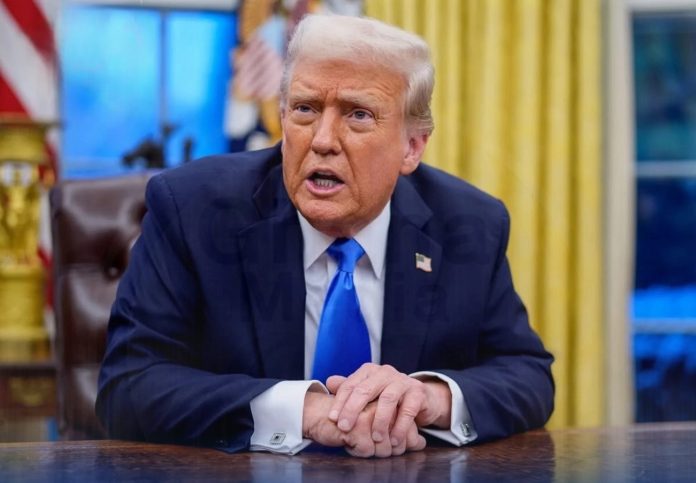
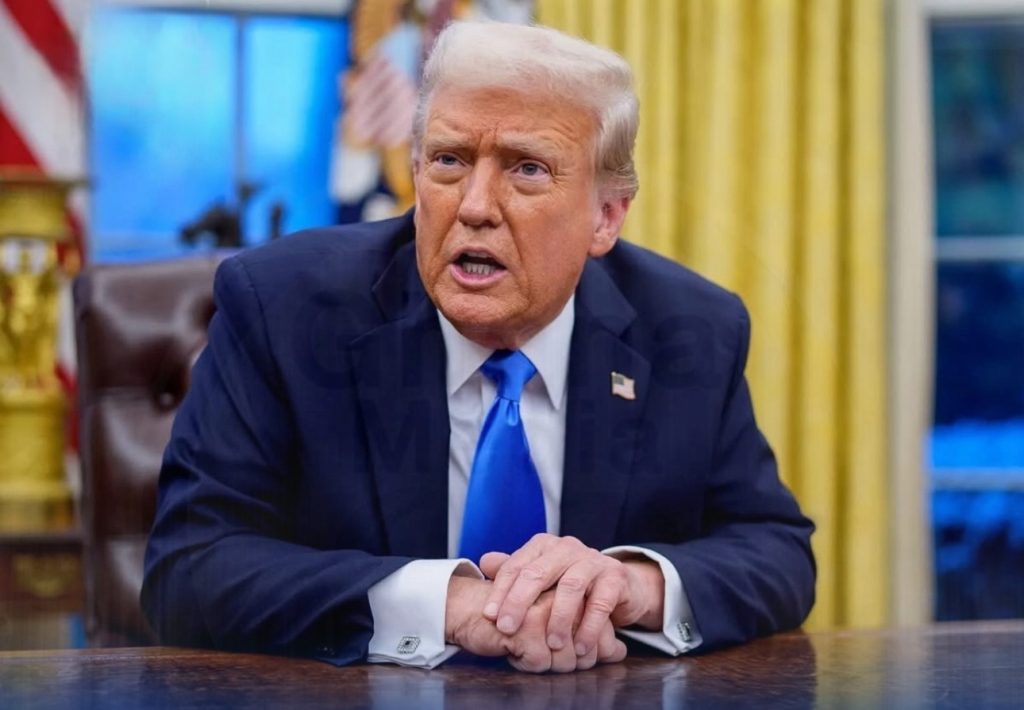
Accra, Ghana – U.S. President Donald Trump has sent shockwaves across the globe after announcing a “permanent pause” on migration from all so-called “Third-World countries.” While no official list of countries has been released, Ghanaians are already asking: Will this affect us?

photo output 7
Will Ghanaians Be Blocked from Migrating to the US? Trump’s ‘Third-World Freeze’ Sparks Debate 10

In a Truth Social post, Trump claimed the pause is necessary to allow the U.S. immigration system “to fully recover” and to protect national security. Critics argue that the move is discriminatory, vaguely defined, and could punish millions of innocent migrants seeking better opportunities abroad.

For Ghanaians, this announcement is especially alarming. Over the past decades, thousands have migrated to the U.S. for education, work, and family reunification. Ghana’s diaspora contributes significantly to the country’s economy through remittances, and any sudden restriction could have ripple effects back home.

Some political analysts in Accra warn that even the perception of a ban could deter Ghanaian students and workers from seeking U.S. visas. “It’s not just about the law—it’s about the message it sends to the world,” says Nana Owusu, a migration policy expert.

Meanwhile, supporters of Trump’s policy argue that it protects American jobs and ensures national security. “The U.S. has the right to control its borders. This is not about Ghana specifically—it’s about ensuring the system works,” said a Trump adviser during a press briefing.

Social media in Ghana has erupted with heated debate. Some argue that Ghana should strengthen its own local opportunities so that citizens are not dependent on foreign migration, while others see it as an unfair blow to global mobility. TikTok, X (formerly Twitter), and Facebook pages are flooded with videos and posts questioning whether Ghanaians will face new hurdles in applying for visas.

While the policy’s specifics remain unclear, one thing is certain: Ghana is watching, and its citizens are anxious. Will this “Third-World freeze” become a reality for Ghanaian migrants, or is it another political headline with limited effect? Only time — and U.S. policy clarifications — will tell.

US news — Donald J. Trump announces sweeping migration halt

0

What happened

The U.S. President declared he will “permanently pause migration from all ‘Third World Countries’” to give the American immigration and asylum system “time to fully recover.”  In his post on Truth Social, Trump added that his administration will “end all federal benefits and subsidies to non-citizens,” remove immigrants he views as “not a net asset to the United States,” and deport foreign nationals deemed a security risk or “non-compatible with Western civilization.”  The announcement follows a deadly shooting in Washington, D.C., allegedly committed by an Afghan national. The president and his administration cited national-security concerns as the rationale for the sweeping immigration move. 

img 0155
US news — Donald J. Trump announces sweeping migration halt 12

Key details — and open questions

Trump did not specify exactly which countries qualify as “Third World,” nor did he lay out a detailed legal or practical roadmap for how the pause would be implemented.  The pause is said to apply retroactively to migrations and asylum-grantings approved under the previous administration.  The U.S. Citizenship and Immigration Services (USCIS) and immigration authorities have reportedly begun a “full-scale, rigorous re-examination” of green-card and asylum approvals, particularly from countries previously listed as “countries of concern.” 

Reactions and implications

The announcement marks a dramatic intensification of U.S. immigration restrictions — echoing earlier controversial bans but applying far more broadly.  Critics warn that the move amounts to collective punishment of migrants from entire regions, many fleeing war, persecution or poverty. Human-rights organisations and UN agencies have urged the U.S. to maintain asylum protections and reject broad-stroke bans.  For millions — asylum seekers, visa applicants, immigrants already in process — this could mean indefinite delays, denied status, or even deportation, depending on how enforcement plays out.

📰 What’s next

It remains unclear how courts will handle such sweeping directives — whether portions will be challenged or blocked. International and domestic response is building: governments, refugee agencies, civil-rights groups and legal experts will likely demand clarity, due process, and compliance with refugee law. The coming weeks should reveal whether the administration implements the pause in full, narrows it, or faces legal obstacles.

Christian Atsu’s legacy lives on: Joshua Atsupie shows off impressive dribbling

0

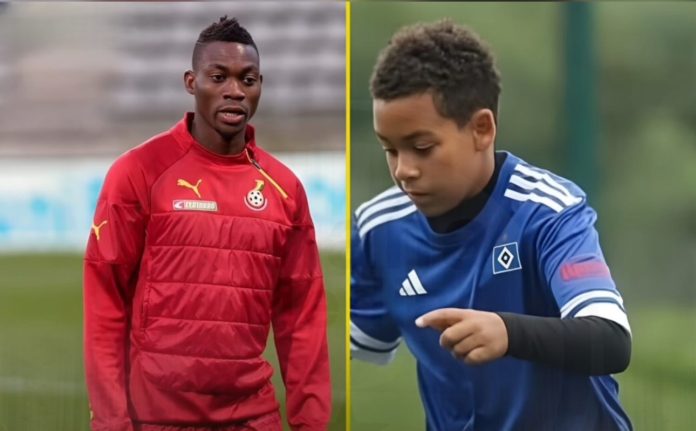
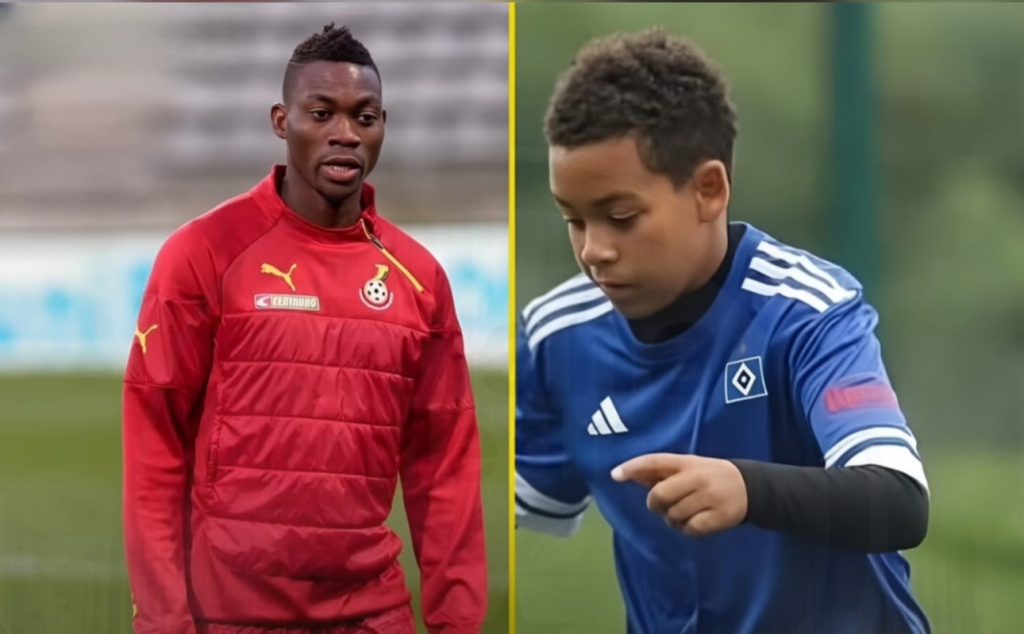
A new video circulating online has captivated football fans worldwide — it shows Joshua, son of the late Ghanaian winger Christian Atsu, weaving through defenders with remarkable confidence and flair. 

img 0149
Christian Atsu’s legacy lives on: Joshua Atsupie shows off impressive dribbling 14

In clips shared by his mother, Joshua displays standout ball control, balance, and composure — qualities that made his father a beloved figure on the pitch.  At one point, he dribbles past several opponents in a one-on-one duel and sets up a teammate with a precise pass; in another moment, he charges down the flank and unleashes a powerful strike that finds the net.  Many fans reacted emotionally — commenting that the “spirit” and “magic” of Christian are alive in Joshua. Some even said they believe the young boy could fulfil the dreams that were cut short. 

Joshua’s growing confidence, skill, and passion suggest he could follow in his father’s footsteps. For many observers, this isn’t just a video — it’s a promise that Christian Atsu’s legacy continues through his son.

Court Recognises Two Widows of Daddy Lumba — Not Just One

0

The Kumasi High Court has delivered a much-anticipated ruling in the dispute over who should be recognised as the surviving spouse(s) of the late highlife legend Daddy Lumba. 

🔹 What the Court Ruled

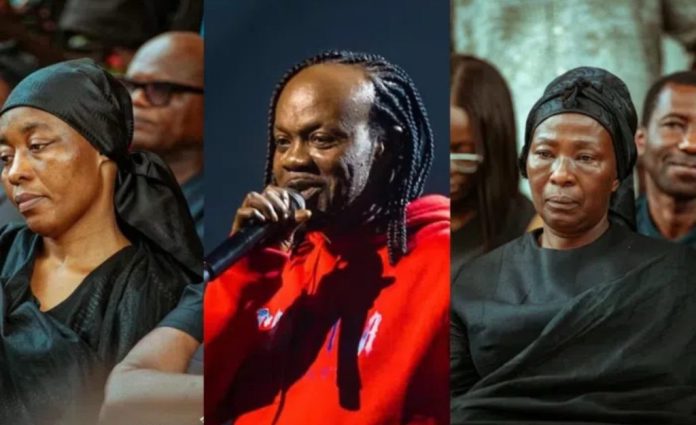
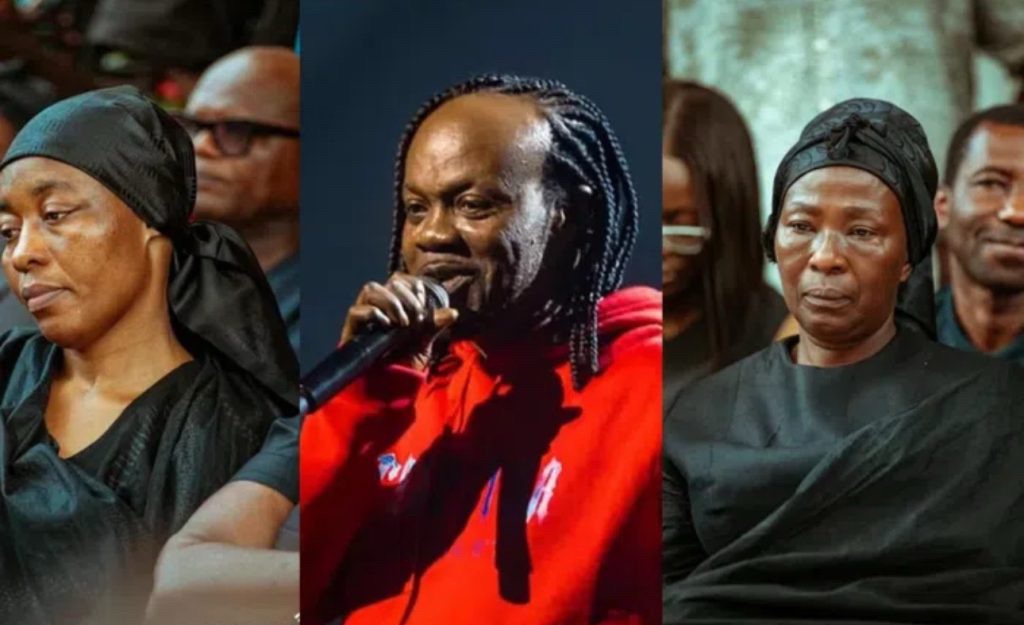
The court affirmed that both Akosua Serwaa Fosuh and Priscilla Ofori Atta (popularly known as “Odo Broni”) are lawful surviving spouses of Daddy Lumba.  It dismissed Serwaa’s claim to be the sole surviving wife — ruling that she failed to sufficiently prove a valid civil marriage.

image
Court Recognises Two Widows of Daddy Lumba — Not Just One 16

The documentation she submitted was deemed insufficient: the so-called German marriage certificate was an extract rather than an original certified copy.  The court acknowledged that both women had customary marriages to the musician, granting them both legal standing and rights under law. 

What This Means

Both Serwaa and Odo Broni are officially recognised as surviving wives of Daddy Lumba — a decision that validates their claims and legal status.  This recognition entitles both women to participate in the widowhood rites, and gives them rights to engage in funeral and estate matters as spouses of the late musician.  The ruling also ends the possibility for either woman to claim exclusivity over widowhood roles — the court has officially rejected the notion of a sole surviving spouse.  

Rome‑Jayden Owusu‑Oduro shines with clean sheet — but Otto Addo not calling him up yet

0

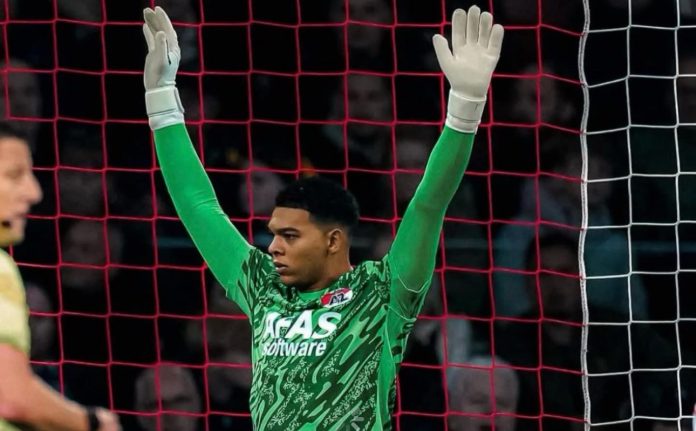
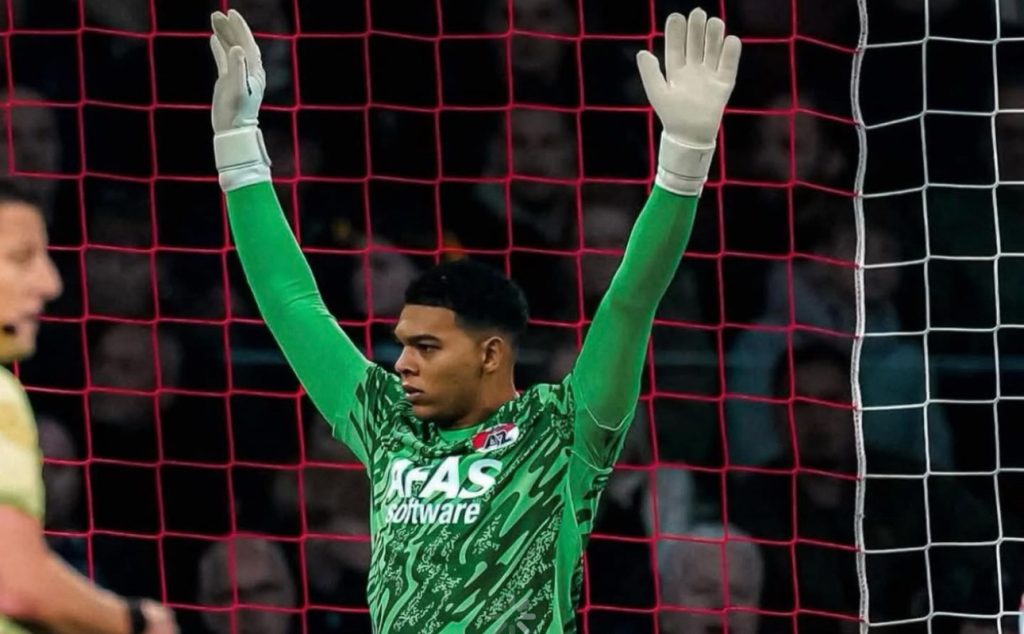
AZ Alkmaar goalkeeper Rome-Jayden Owusu-Oduro delivered a solid performance in the recent UEFA Europa Conference League match against Shelbourne, keeping a clean sheet and looking calm and confident as though returning from injury had never slowed him.  Many fans are now asking: if he can perform like this, what is preventing Ghana’s head coach Otto Addo from bringing him into the national team goal post?

img 0069
Rome‑Jayden Owusu‑Oduro shines with clean sheet — but Otto Addo not calling him up yet 18

Owusu-Oduro’s recent form

The 21-year-old shot-stopper remains first-choice at AZ Alkmaar, having recently signed a long-term contract extension through 2030.  His form has been promising: beyond this latest clean sheet, Owusu-Oduro has had strong outings in league and cup competitions, and even produced match-winning penalty saves to help his club reach the Dutch Cup final. 

Why Otto Addo may be holding off — for now

Despite being eligible to play for Ghana (his father is Ghanaian), Owusu-Oduro recently indicated that representing Ghana is not his immediate priority. He told reporters he was concentrating on helping the Netherlands U-21 side qualify for upcoming European youth tournaments.  This stance likely complicates any immediate call-up. For a player to be selected by Ghana, he must express willingness to commit — and currently, Owusu-Oduro seems focused elsewhere.

What the netizens are saying

Many fans have voiced frustration on social media: seeing a talented, in-form goalkeeper of Ghanaian descent excelling in Europe, they wonder why the senior national side doesn’t tap into that potential. Comments echo a common sentiment: “If he’s doing this in Europe, why not give him a chance with the Black Stars?”

Some argue that with the right encouragement from management — especially from the national goalkeeper coach — Ghana could benefit from integrating Owusu-Oduro early, building for future competitions like the 2026 World Cup. Others caution that forcing a national-team switch against a player’s expressed preference could backfire.

What needs to happen for a Ghana call-up

For Owusu-Oduro to realistically be considered for the senior squad under Otto Addo, the following need to align:

Owusu-Oduro must publicly declare interest in representing Ghana (i.e. reverse his previous stance). Ghana’s coaching and selection staff need to decide he fits the squad’s tactical and long-term plans — especially given existing options in goal. The decision must respect his dual-national eligibility and personal ambitions regarding the Netherlands youth system.

Given how well he’s playing, I believe it’s only a matter of time before the question resurfaces — but it ultimately depends on his willingness to switch allegiance and Ghana’s readiness to reach out.

Wrongfully Jailed: Taxi Driver Sentenced After Being Drugged and Car Later Recovered

0

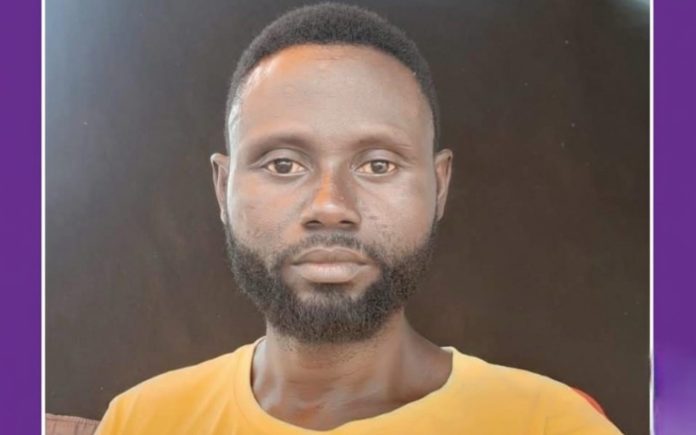
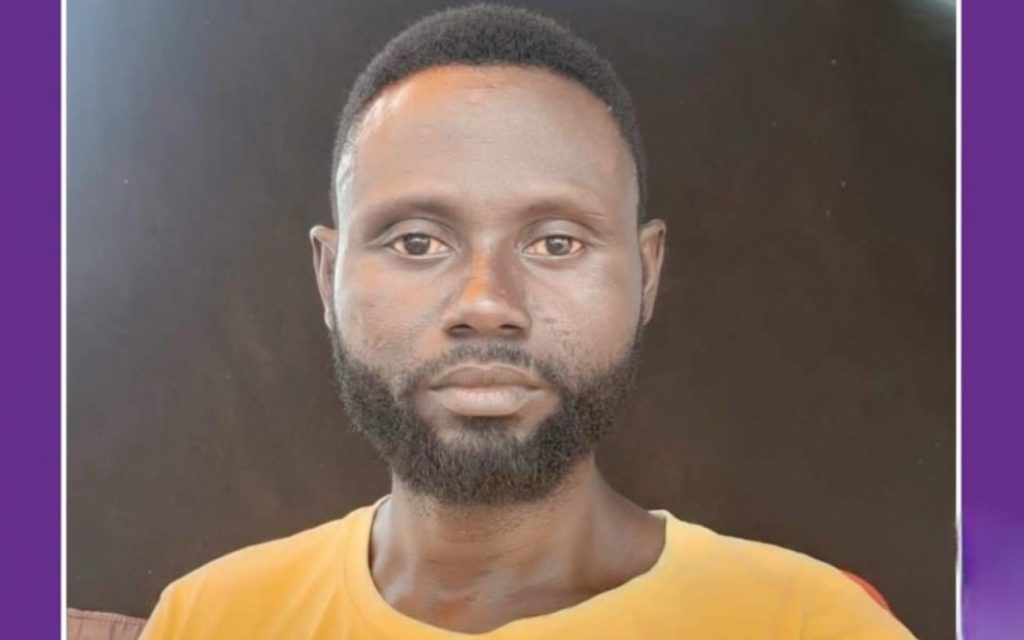
A 37-year-old taxi driver, Kwadwo Owusu Appiah, is currently serving a four-year prison sentence for the alleged theft of the very taxi he was driving, a crime he has consistently denied.

According to a report by Crime Check Foundation, Kwadwo’s ordeal began during what appeared to be a routine trip. After picking up a passenger, he was offered a bottle of malt. Unbeknownst to him, the drink was allegedly laced with a substance that rendered him unconscious. When he eventually regained consciousness, both the passenger and the vehicle had disappeared.

img 0059
Wrongfully Jailed: Taxi Driver Sentenced After Being Drugged and Car Later Recovered 20

His wife, Ayarkwa Juliet, recounted the devastating event, explaining that her husband was simply working to provide for the family.

“He told me a passenger bought him malt, but after drinking it, he became dizzy and passed out. When he woke up, the car had vanished,” she said.

The vehicle, owned by Francis Attakora, was fitted with a tracker, but the device stopped functioning after the battery was reportedly disconnected by the thieves. In a troubling development, the police are said to have written Kwadwo’s statement for him, which unintentionally implicated him. Believing he had failed in his duty to protect the car, Kwadwo pleaded guilty in court, thinking it was the honourable thing to do.

Shockingly, on the same day he was sentenced, the tracking company informed the vehicle owner that the car had been sighted near Weija and was later located at a drinking spot in Madina. The owner has since retrieved the car and, upon realising Kwadwo’s innocence, expressed deep remorse.

The family is now appealing for urgent support to help secure Kwadwo’s release, stating that an innocent man remains behind bars for a crime he did not commit.

EVERY GHANAIAN NOW OWES GH¢ 19,560 — As Public Debt Hits GH¢ 684.6 BN

0

Ghana’s public debt has surged to GH¢ 684.6 billion as of September 2025. 

If one divides this debt equally among the country’s population, the result is that each Ghanaian “owes” about GH¢ 19,560. 

📈 Key Figures & Context

The rise to GH¢ 684.6 bn marks an increase of GH¢ 71.6 bn from the previous quarter.  In U.S. dollar terms, this debt is approximately US $55.1 billion.  As of September 2025, the debt represents about 48.9% of Ghana’s GDP. 

🔎 What the “Per-Citizen Debt” Means — And What It Doesn’t

The “GH¢ 19,560 per citizen” figure is a theoretical average, calculated by dividing total national debt by the total population.  This number does not reflect actual liability of every single Ghanaian (e.g. children, elderly, unemployed) — rather, it’s a statistical representation of burden per person if the debt were to be equally distributed. The per-person measure is often used to help the public visualise the scale of national debt — but it doesn’t imply that every citizen will be taxed individually for that exact amount.

img 0026
EVERY GHANAIAN NOW OWES GH¢ 19,560 — As Public Debt Hits GH¢ 684.6 BN 22

⚠️ Underlying Factors & Considerations

The increase has been driven largely by a spike in external debt during the third quarter of 2025.  The external debt component rose sharply, even though longer-term data shows significant reduction in external debt over longer periods.  Domestic debt has remained relatively stable, with only modest increases in the same period.  Despite the rise, authorities cite that headline debt remains lower than some previously reported peaks — but the per-capita framing underscores the widening debt burden on society.

📰 What It Means for Ghana — And the People

The headline per-citizen figure often resonates emotionally: it emphasises that each Ghanaian, in effect, carries part of the national debt burden. For the government, this serves as a pressure point: increasing public debt may raise public scrutiny, demand for accountability, and calls for fiscal prudence. For citizens — even if only symbolic — the number may influence perceptions of economic sustainability, inflation, public services, and future taxation or austerity measures. It could also affect investor confidence, currency valuation (the cedi), and future borrowing costs for Ghana.