Former Black Stars coach questions safety, political tensions, and Africa’s influence in global football decisions
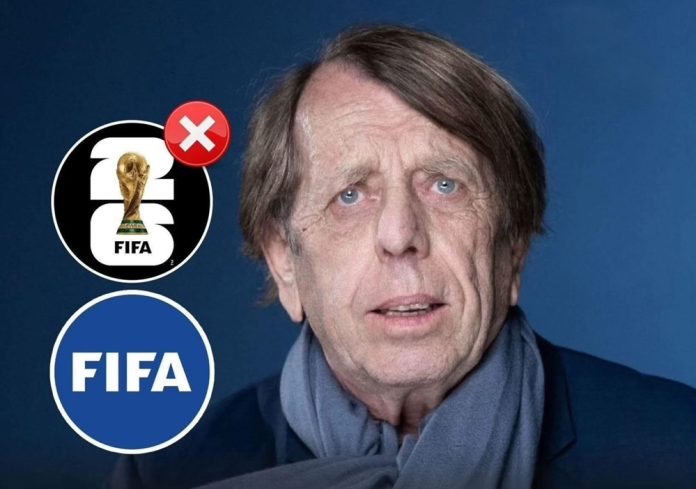
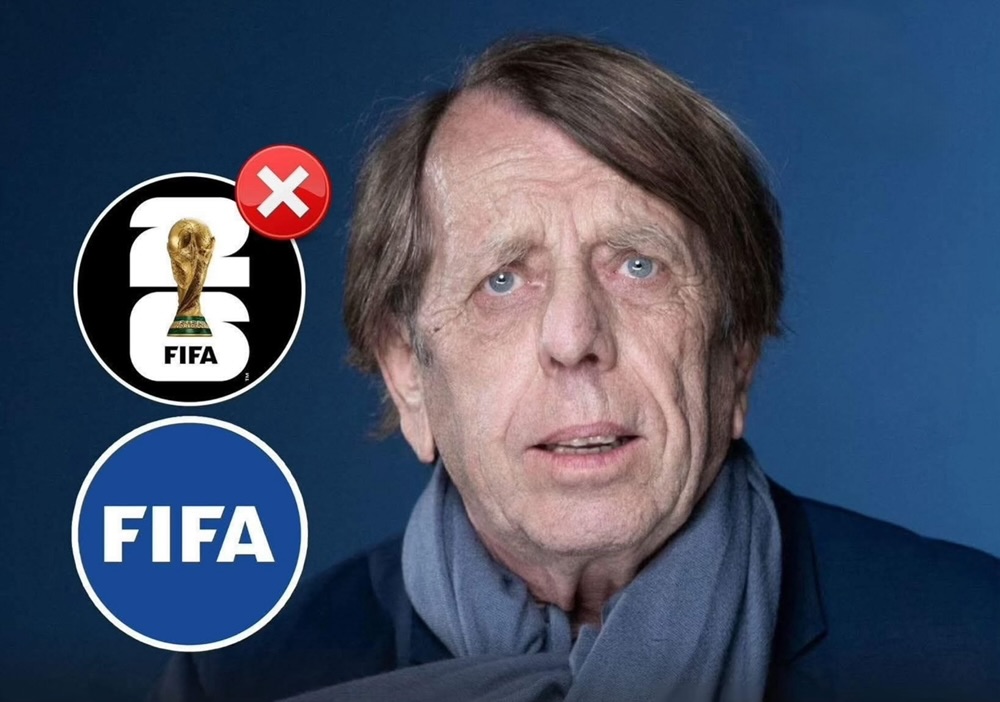
Former Ghana Black Stars head coach Claude Le Roy has sparked intense debate after calling on African countries to boycott the 2026 FIFA World Cup, which will be hosted jointly by the United States, Canada, and Mexico.
According to Le Roy, the political atmosphere surrounding the tournament—particularly in the United States—raises serious concerns about security, fairness, and the protection of players, officials, and fans, especially during matches involving countries considered geopolitical rivals.
The veteran French coach expressed worry about what he described as “war-like rhetoric” and heightened political tensions, questioning whether the safety of individuals can be fully guaranteed under such circumstances. He argued that football should unite nations, not be played in an environment clouded by hostility and global political posturing.
Le Roy’s comments come amid growing concerns across Africa following recent U.S. travel restrictions and entry bans, which have affected several countries, including some African nations. Critics argue that such policies could complicate logistics for teams, officials, and supporters participating in the tournament.
From an African football perspective, the former Black Stars coach believes the time has come for CAF and African football associations to take a firmer stance within FIFA. He suggests that opting out of the 2026 tournament could serve as a powerful statement, forcing global football authorities to take Africa’s concerns more seriously in decision-making processes.
Supporters of Le Roy’s position argue that Africa has long contributed significantly to the global game yet remains underrepresented when it comes to hosting rights, governance influence, and major FIFA decisions. A coordinated boycott, they say, could finally give the continent a stronger negotiating voice.
However, others caution that withdrawing from the World Cup could deny African players a vital global platform and potentially harm the development and visibility of African football.
As discussions continue, Le Roy’s call has reignited broader conversations about politics in sport, global equity in football governance, and Africa’s role within FIFA ahead of the historic expanded 2026 World Cup.