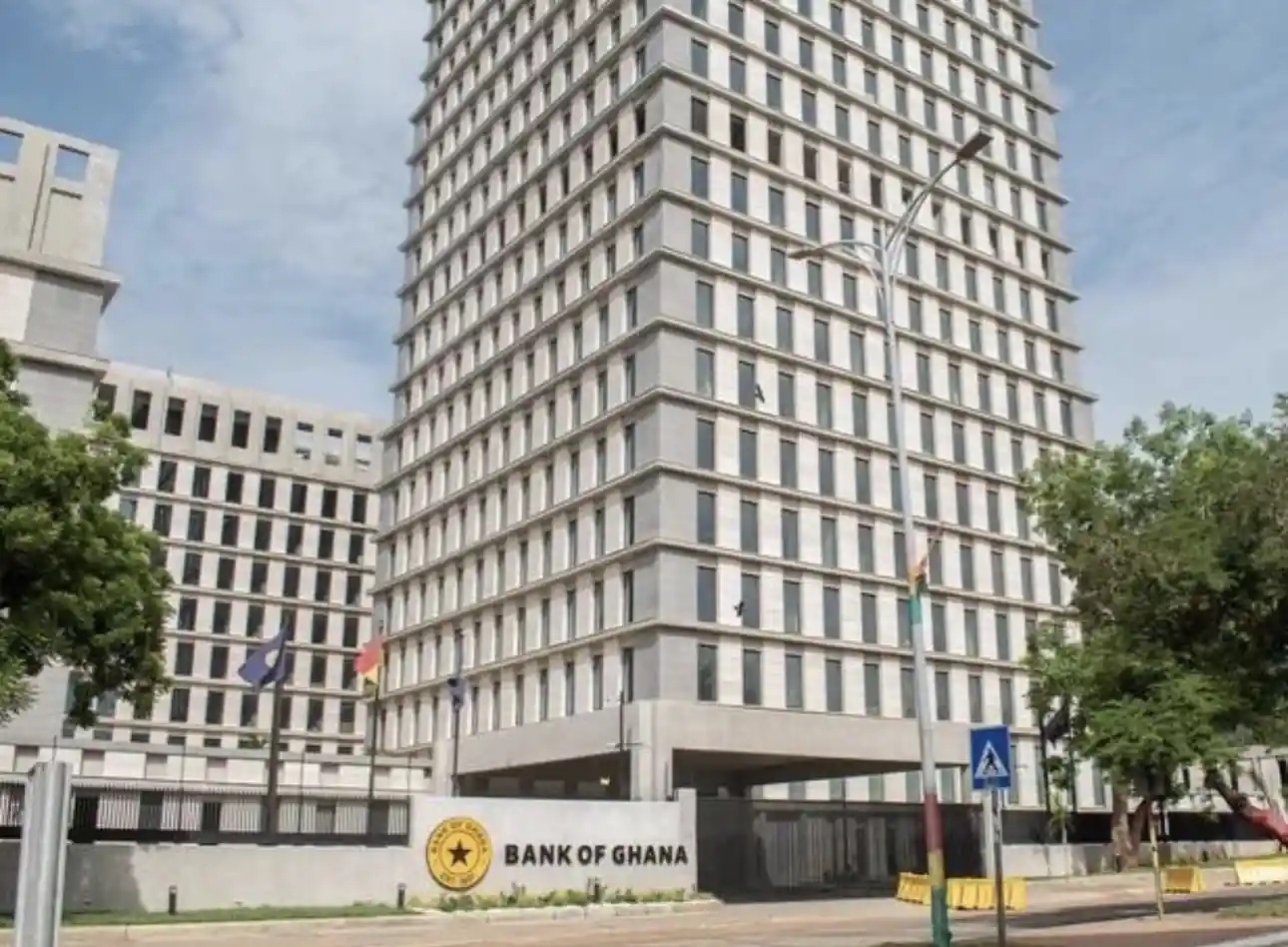
ACCRA, Ghana — October 9, 2026
The Bank of Ghana has announced enforcement action involving remittance partnerships linked to Flutterwave Inc., Celulant Ghana Limited and Halges Financial Technologies Limited, highlighting the importance of regulatory compliance in money transfers into Ghana.

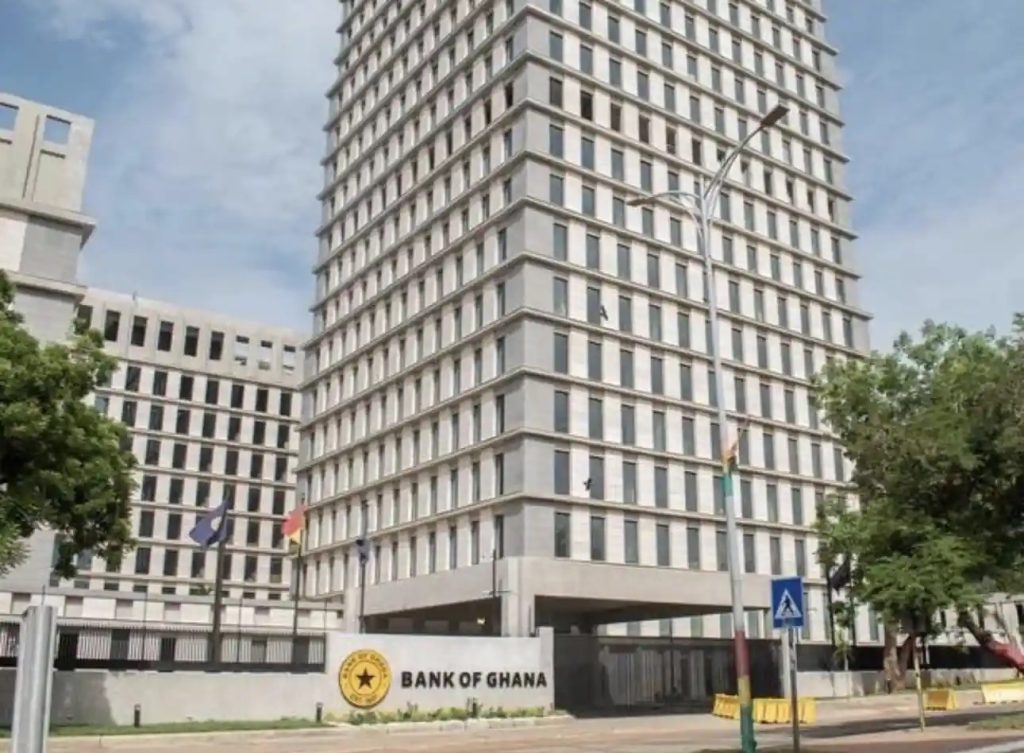
In a press release dated October 7, the central bank said the action was taken in response to breaches of the Updated Guidelines for Inward Remittance Services by Payment Service Providers.
The development matters to Ghanaians living in the United States, United Kingdom, Germany, Canada, Belgium and the Netherlands, many of whom regularly send money to family members or businesses in Ghana.
However, the announcement does not mean that all international transfers to Ghana have been suspended. Customers should check the status of the particular provider and its authorised partnerships before initiating a transaction.
Why the Bank of Ghana is taking action
The Bank of Ghana regulates payment services and oversees the rules governing inward remittance arrangements. These arrangements allow money-transfer businesses and payment service providers to work with approved partners to deliver funds to recipients in Ghana.
The central bank’s October 7 press release identified the three companies whose remittance partnerships were subject to suspension. Its broader notices also address compliance with the updated guidelines and reporting requirements.
The regulatory focus is intended to ensure that remittance services operate within the applicable framework. Customers should consult the central bank’s published notices for the exact scope of any suspension and the parties affected.
The announcement should not be interpreted as a blanket ban on the named companies’ entire businesses or as confirmation that every service associated with them is unavailable.
What Ghanaians abroad should do before sending money
People transferring money from abroad should verify that the service and the relevant payment or remittance partnership are authorised for the transaction they intend to make.
Customers should check the provider’s current service announcements, compare exchange rates and transfer charges, and confirm how long a transfer is expected to take.
They should also verify recipient details carefully and retain transaction references and receipts until the funds have arrived.
If a provider announces that a particular remittance route is unavailable, customers should contact its official support channel and confirm whether an alternative authorised service is available. They should avoid transferring money through unverified intermediaries or unfamiliar accounts.
Remittances remain important to Ghanaian households
The Bank of Ghana has described remittances as a significant source of external financing and an important contributor to national income.
Funds sent by relatives abroad help households meet expenses such as education, healthcare, rent, utilities and everyday living costs. Some Ghanaians in the diaspora also transfer money to finance residential and commercial construction.
For families sending money regularly, even modest differences in transfer fees and exchange rates can affect how much the recipient ultimately receives.
Comparing the total amount delivered in Ghanaian cedis is therefore more useful than looking only at an advertised transfer fee. Customers should also consider delivery speed, recipient options and the provider’s regulatory status.
Where to check official information
The central bank’s notices provide the most direct source for checking the affected remittance partnerships and the rules governing inward remittance services.
Read the Bank of Ghana’s October 7 press release and its updated remittance guidelines before making assumptions about a specific service.
GhanaMedia will continue to follow developments affecting cross-border payments, diaspora finances and Ghana’s financial sector. Readers can find related coverage through Ghana News, Ghana News Live and Top Stories.
For anyone sending money to Ghana, the immediate priority is to confirm that the chosen provider and remittance route remain authorised and operational.
Sources: Bank of Ghana press release; Updated guidelines.