ACCRA, Ghana — October 9, 2026
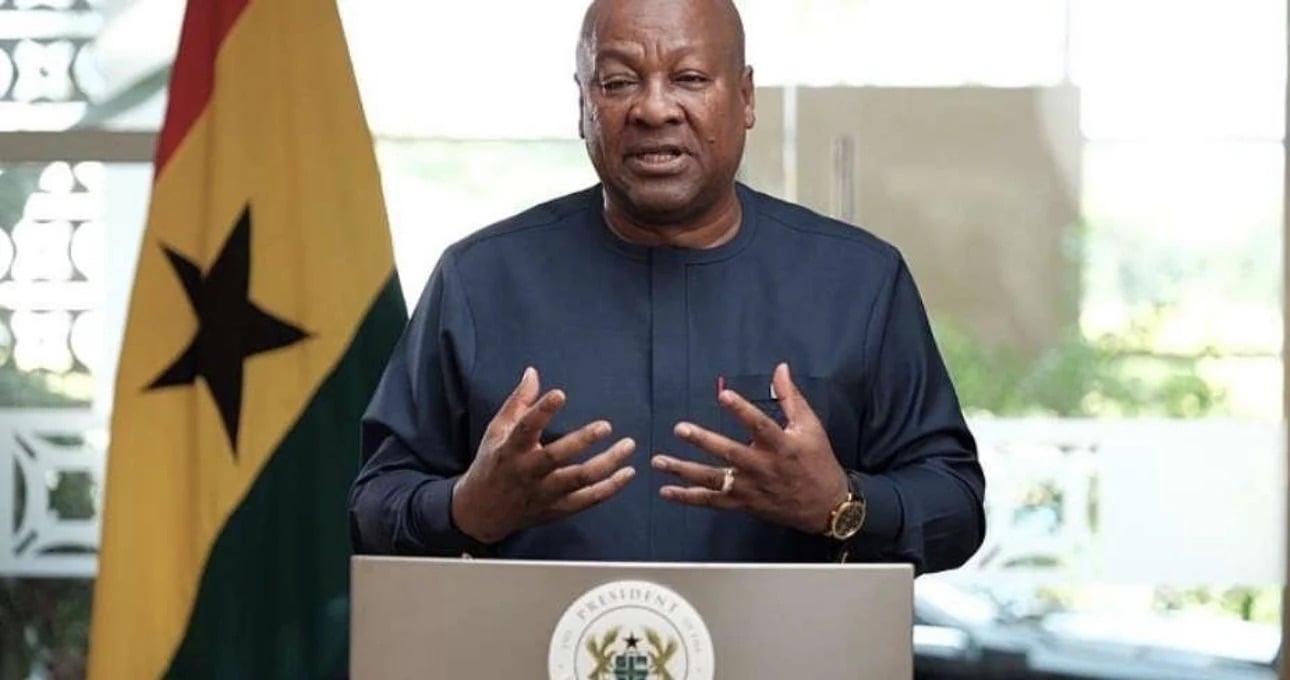
President John Dramani Mahama has directed the Finance Minister to allocate GH¢1 billion in the 2027 Budget towards Ghana’s National Housing Fund, in a move aimed at expanding access to affordable housing and attracting additional investment into the sector.

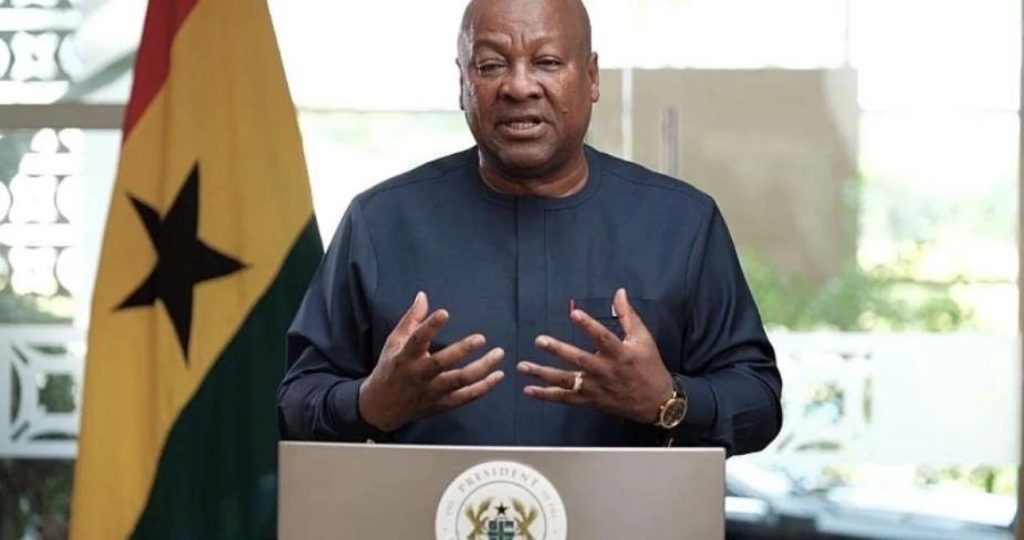
According to the Ghana News Agency, the proposed allocation will form part of a broader GH¢3 billion revolving fund intended to support housing delivery and improve access to decent accommodation.
Mahama announced the allocation on October 7 at the opening of the National Conference on Housing Finance in Accra, organised by National Housing Fund Limited in collaboration with the Ministry of Works, Housing and Water Resources.
The proposed fund is expected to support a broader housing finance framework, with the government seeking to mobilise capital from public institutions, private investors and other funding sources.
Diaspora investors identified as potential funding partners
The President indicated that the government’s contribution would not be the fund’s only source of capital. Pension funds, insurance companies, development finance institutions and diaspora investors were identified as potential participants in financing viable housing projects.
For Ghanaians living in the United States, United Kingdom, Germany, Canada, Belgium and the Netherlands, the development could be worth watching as discussions around housing finance increasingly include investment from abroad.
However, the announcement does not mean diaspora investors can immediately subscribe to the fund. Investment arrangements, eligibility requirements, returns and participation procedures would need to be confirmed through official announcements.
The government’s proposed blended-finance approach is intended to combine different sources of funding to help support housing projects while managing investment risks.
Government outlines plans to expand housing delivery
Mahama said the government intended to use institutional land banks, encourage private-sector participation and revive stalled housing projects as part of its efforts to increase the country’s housing supply.
The President also indicated that the Saglemi housing programme was expected to deliver 1,500 housing units by next year. A district housing programme was being piloted in eight districts, while other developments mentioned included Oxygen City in Ho and Green City at Dedesua in the Ashanti Region.
These initiatives form part of a wider effort to address Ghana’s housing challenges, including the availability of affordable homes and access to long-term financing.
The President also highlighted difficulties surrounding land titles and delays in planning approvals, which he said increased costs, discouraged investment and ultimately placed additional pressure on households.
What the proposed fund could mean for property buyers
Housing finance remains a major consideration for people seeking to purchase homes or develop property in Ghana. Access to longer-term financing could help eligible households and developers, although the actual impact will depend on the fund’s final structure, lending conditions and implementation.
Ghanaians abroad who are planning to build houses, purchase land or invest in rental property should continue to verify land ownership, construction costs and financing arrangements independently.
Prospective buyers can also explore Ghana’s property market through reputable professionals and review the requirements for land registration before making payments.
Read more on Ghana News, follow updates through Ghana News Live, and explore Top Stories for developments affecting Ghana’s economy and property market.
The government’s proposed GH¢1 billion allocation represents a significant policy announcement, but the final funding arrangements and opportunities for individual investors will depend on subsequent official details.
Source: Ghana News Agency.