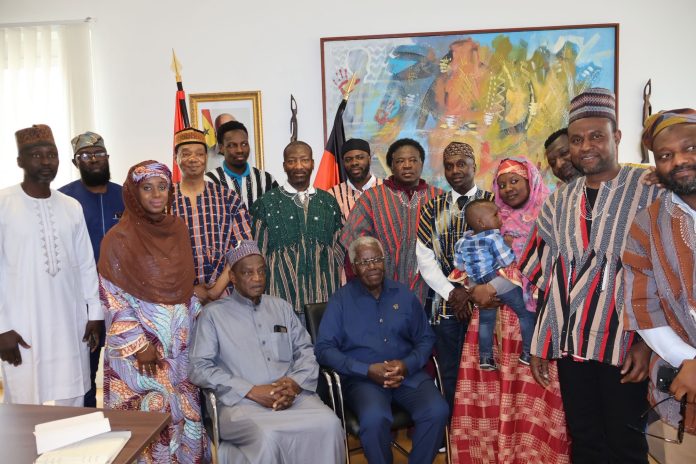
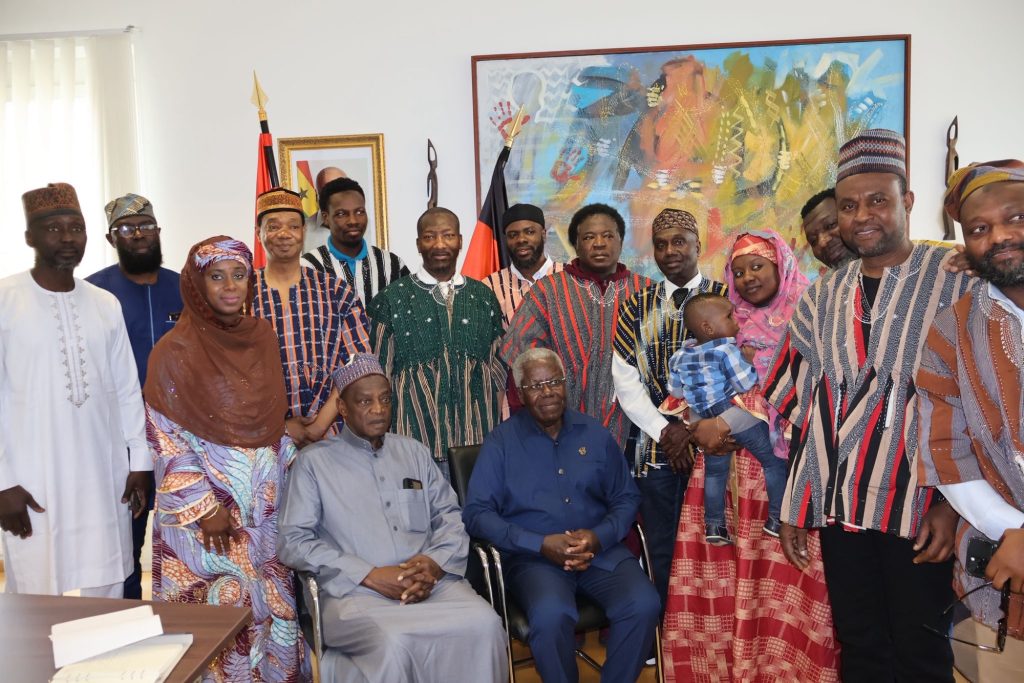
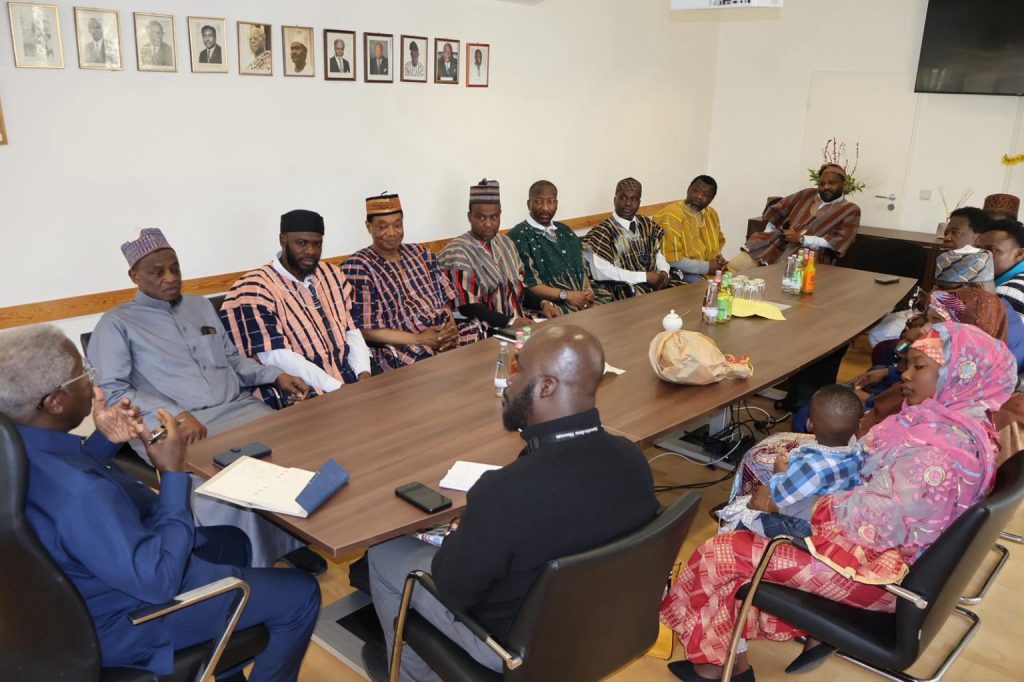
The Ghanaian Muslim community in Berlin, under the leadership of the Ghana Islamic Multicultural Association (G.I.M.A. e.V.), officially welcomed the newly appointed Ambassador of the Republic of Ghana to the Federal Republic of Germany, His Excellency Professor Ohene Adjei, on Wednesday, 15 April 2026.
Newly Appointed Ambassador Receives Warm Welcome from Ghanaian Muslim Community in Berlin 3
The meeting brought together key Ghanaian Muslim organizations, including the Council of Moslem Elders, Masjid Aqsa Mosque (Ghanaian Mosque), Berlin Muslim Ladies, and Noorul Bayan e.V. (Education Unit), alongside members of the wider Ghanaian community.
In his welcome address, Chairman of G.I.M.A. e.V., Mr. Sampson Nyaaba, congratulated the Ambassador on his appointment and expressed the community’s commitment to fostering unity, cooperation, and mutual support among Ghanaians living in Berlin.
Mr. Nyaaba emphasized the importance of strengthening collaboration between the Embassy and the Ghanaian diaspora, particularly in promoting community welfare and national cohesion.
Newly Appointed Ambassador Receives Warm Welcome from Ghanaian Muslim Community in Berlin 4
During the engagement, community representatives raised key concerns affecting Ghanaians in Germany, including: Delays in dual citizenship application processes
Lengthy passport processing times
The need to improve relations between the Embassy and the Ghanaian community
In response, His Excellency Professor Ohene Adjei expressed gratitude for the warm reception and reaffirmed his commitment to addressing these concerns while working closely with the community to enhance unity and engagement.
The meeting marks a significant step toward rebuilding strong and constructive relations between the Ghanaian Embassy and its citizens in Germany.
President John Dramani Mahama has granted presidential pardon to 863 convicted persons as part of activities marking Ghana’s 70th Independence Anniversary.
Mahama Pardons 863 Convicted Persons — Is Wontumi Included? 6
The decision was announced by the Presidency on Monday, October 5, 2026, under Article 72(1) of the 1992 Constitution and following consultation with the Council of State.
According to the announcement, the largest category comprises 819 first offenders who have been granted outright release.
Thirteen convicted persons aged 70 years and above have also been granted outright release, while six seriously ill persons have been released.
In addition, 11 death sentences have been commuted to life imprisonment, while six persons serving life sentences have had their sentences reduced to 20-year definite terms.
Two persons under special recommendations have been granted outright release, while three cases were considered through petitions and another three under other categories.
The decision forms part of the commemoration of Ghana’s 70th Independence Anniversary, with the Presidency describing the exercise as an act of mercy and national reflection.
Is Chairman Wontumi Among Those Pardoned?
The announcement has generated significant public interest because of Chairman Bernard Antwi-Boasiako, popularly known as Wontumi, who is currently serving a 20-year prison sentence following his conviction in an illegal mining-related case.
Wontumi had previously appealed to President Mahama for clemency after his conviction. His spokesperson, Palgrave Boakye-Danquah, said in July that Wontumi had apologised to the President and First Lady and appealed for consideration of his circumstances.
However, the Presidency’s announcement of the 863 beneficiaries does not publish the names of individual beneficiaries. There is therefore no official confirmation in the announcement that Wontumi has been granted a pardon or outright release.
Reports suggesting that Wontumi is likely to be released should consequently be treated as unconfirmed unless the Presidency, the Ghana Prisons Service or another authorised institution identifies him among the beneficiaries.
Wontumi was sentenced to 20 years’ imprisonment with hard labour by the Accra High Court in July 2026 after being convicted in connection with illegal mining activities involving Akonta Mining Limited. The case has also been subject to an appeal process.
The presidential pardon exercise covers different categories of convicted persons, meaning that inclusion in the overall figure of 863 does not automatically mean every beneficiary is being released. Some sentences have instead been commuted or reduced.
The relevant state institutions have been directed to take the necessary steps to give effect to President Mahama’s decision.
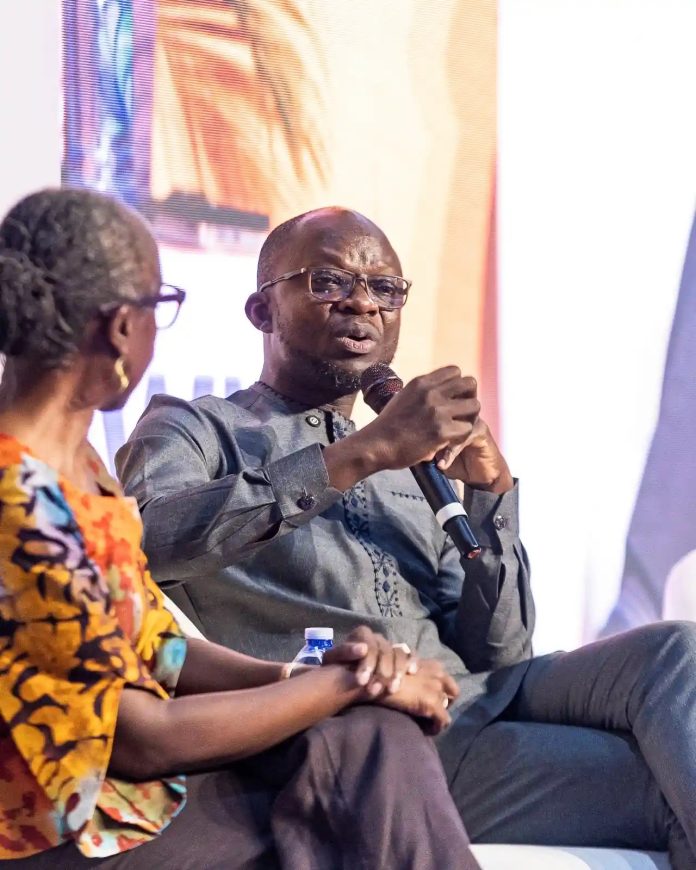
Telecel Ghana reaffirmed its commitment to advancing women in leadership as its External Affairs Director, Komla Buami, joined a distinguished panel at the 10th anniversary edition of the Executive Women’s Network (EWN), one of Ghana’s leading platforms for conversations on women’s leadership and advancement.
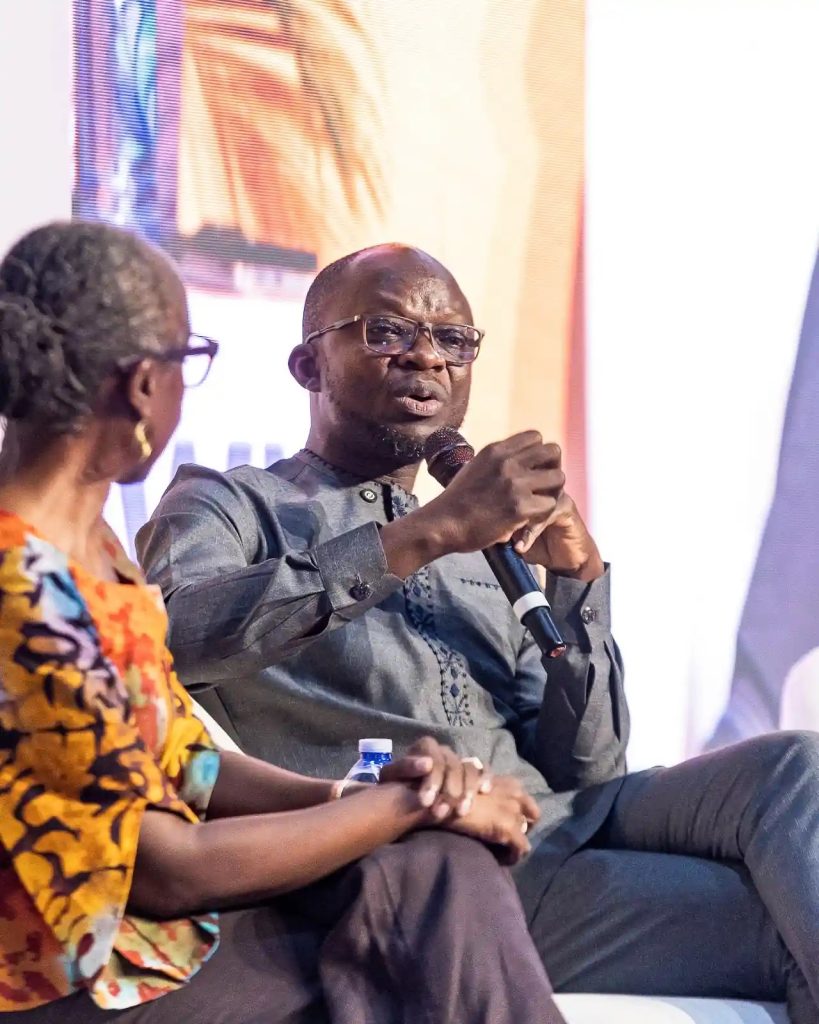
Komla Buami, External Affairs Director (Telecel Ghana), speaking on a panel at the EWN @ 10 Conference & Expo
The Executive Women Network (EWN) is a non-governmental organization in Ghana dedicated to inspiring, empowering, and supporting women holding senior management and executive positions. Founded by visionary female leaders, the network aims to advance women’s leadership across Africa by providing platforms for mentorship, career development, and professional connection.
To celebrate a milestone decade of driving change, the organization hosted the EWN@10 Conference & Expo, held under the theme “A Decade of Leadership, A Future Toward Holistic Impact,” the conference brought together policymakers, executives, and entrepreneurs from across the continent. The landmark edition featured key panel conversations and exhibitions structured around three primary pillars: Self & Family, Career, and Legacy, charting a progressive roadmap for the next decade of female leadership.
The milestone event brought together accomplished leaders from across industries to reflect on progress made over the past decade and explore practical strategies for accelerating gender equity in leadership. Moderated by celebrated broadcaster Bernard Avle, the panel discussion, themed “Beyond Good Intentions: What Moves and Sustains Women in Leadership,” featured Komla Buami alongside Sheila Minka-Premo and Mavis Owusu-Gyamfi.
Speaking during the discussion, Komla Buami emphasized that sustainable progress for women in leadership requires organizations to move beyond one-off initiatives and make gender inclusion a core business priority. He noted that women’s advancement should be embedded within organizational systems and processes rather than relying on the efforts of individual champions. Drawing on Telecel Ghana’s experience, he highlighted the importance of creating consistent pathways for women to grow and thrive within the workplace.
Telecel Ghana’s initiatives, including targets for female representation, the Female Engineering Student Scholarship Programme (FESSP), and the Telecel Reconnect Programme, were cited as examples of interventions designed to support women’s career progression and facilitate their return to the workforce after career breaks.
Telecel Ghana’s participation in the EWN anniversary event reflects the company’s commitment to creating a more inclusive workplace where talent can flourish irrespective of gender. By investing in initiatives that support career development, succession planning and workforce re-entry, the company continues to contribute to building a leadership landscape that is both diverse and sustainable.
As the Executive Women’s Network marks a decade of championing women’s leadership, conversations such as these reinforce the importance of moving beyond good intentions and implementing practical, lasting measures that enable more women to lead, succeed and inspire the next generation.
The Bank of Ghana (BoG), in collaboration with the Ghana Police Service, has arrested seven people in Accra for allegedly using Ghana cedi banknotes to produce money bouquets and money cakes for commercial purposes.
The arrests, carried out at different locations in Accra, form part of an enforcement drive by the central bank against what it describes as the misuse, abuse and illegal handling of Ghana’s currency.
BoG, Police Arrest Seven Over Alleged Misuse of Cedi Notes 9
According to the Bank of Ghana, the suspects were allegedly involved in producing decorative money bouquets and cakes using cedi notes for customers.
Dinah Bonzi, Head of the Statistics Office at the Currency Management Department of the Bank of Ghana, said the operation was intended to reinforce the central bank’s warning to individuals and businesses engaged in the practice.
She said using banknotes and coins to create money bouquets and money cakes for weddings, birthdays, graduations and similar occasions constitutes misuse and abuse of the national currency.
The Bank of Ghana warned that people found engaging in, aiding, promoting or facilitating such practices could face arrest and prosecution by the appropriate law-enforcement agencies.
The central bank further indicated that the seven arrested individuals would be processed for prosecution, with possible sanctions under the applicable law including fines or imprisonment.
The arrests follow earlier warnings from the Bank of Ghana against unconventional handling of the national currency. The central bank has specifically cautioned against using cedi notes for decorations and money bouquets, spraying money at events, scattering or stepping on banknotes, and tearing, crumpling, staining or otherwise defacing currency.
The Bank of Ghana maintains that the Ghana cedi is the legal tender of the Republic of Ghana and should be handled in a manner that protects its integrity, quality and functionality.
The latest enforcement action signals a tougher approach to practices involving the physical misuse of cedi banknotes, particularly the increasingly popular use of cash to create decorative bouquets and money cakes for celebrations.
As the case proceeds, the seven individuals remain suspects, and the allegations against them will be subject to the appropriate legal process.
National Cyber Security Awareness Month 2026 opens under theme focused on securing the digital finance ecosystem
The Cyber Security Authority (CSA) has marked its fifth anniversary with a call for stronger collaboration across Ghana’s digital finance ecosystem, urging institutions to move beyond broad commitments to information-sharing and make coordinated cyber defence part of their daily operations. The call was made at the official opening of the 2026 National Cyber Security Awareness Month (NCSAM) at the Cedi Conference Centre, University of Ghana, under the theme ‘Securing Ghana’s Digital Finance Ecosystem: Building Trust Through Collaboration and Cyber Resilience’.
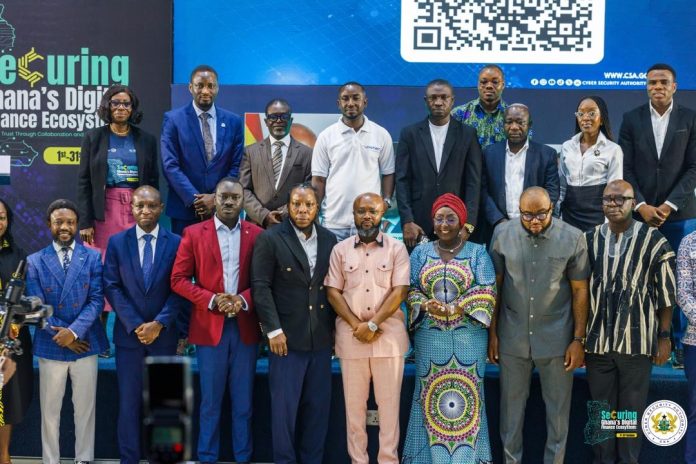
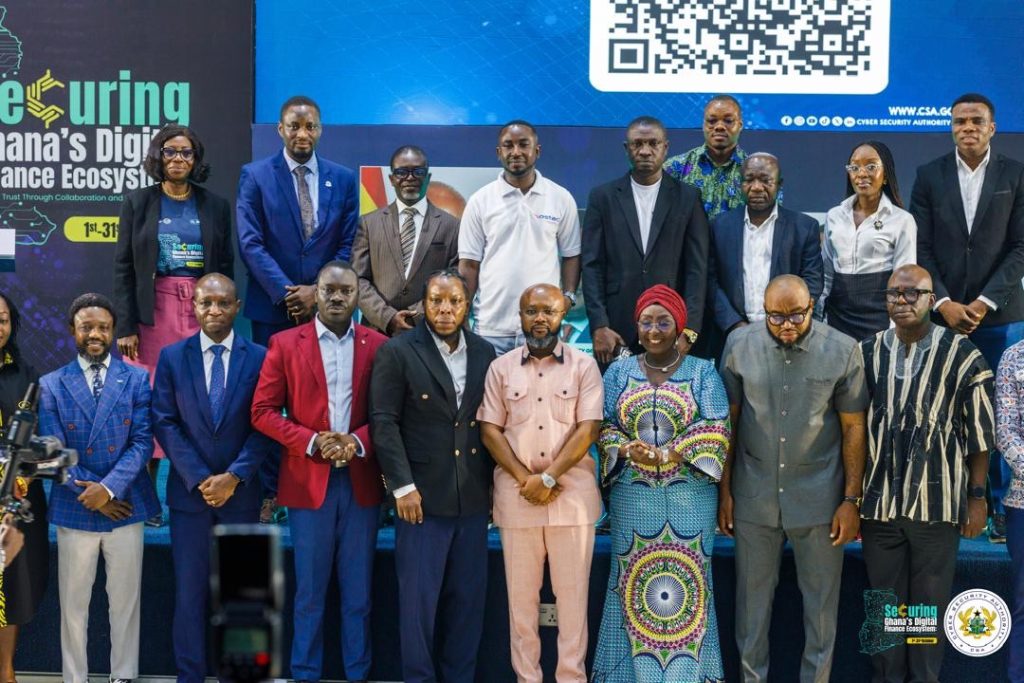
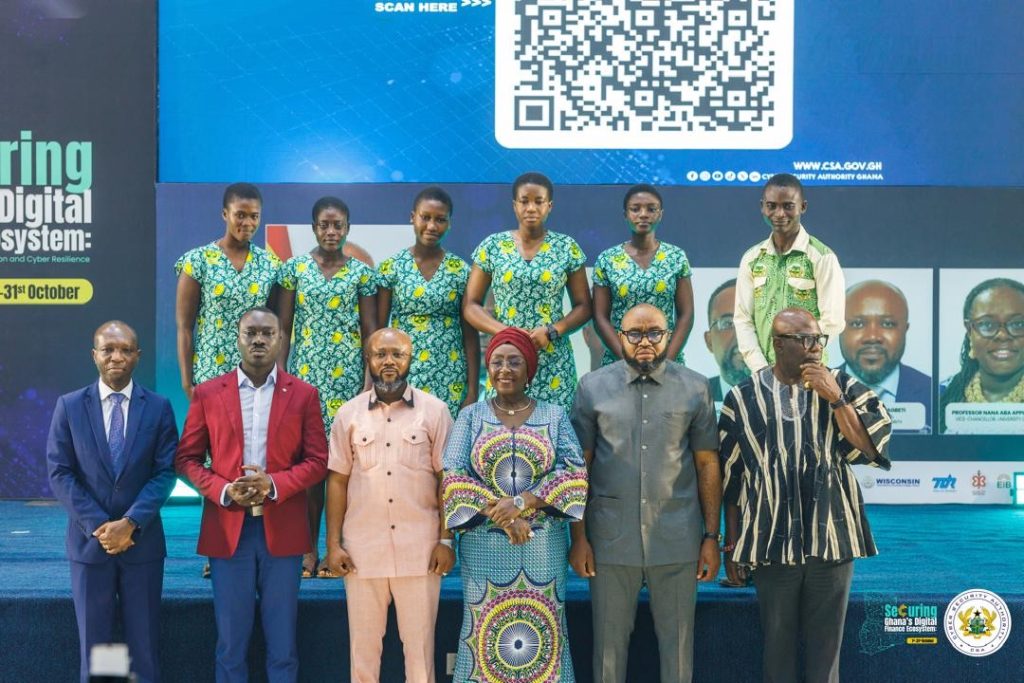
Leadership of the Cyber Security Authority and stakeholders in a group photo at the official opening of the National Cyber Security Awareness Month (NCSAM) 2026
Opening the month-long campaign, the Director-General of the CSA, Mr. Divine Selase Agbeti, said Ghana’s rapid digital transformation had created significant opportunities for economic growth, financial inclusion and innovation, but had also expanded the opportunities available to cybercriminals.“Ghana has made a deliberate choice to embrace digital transformation. We must now make an equally deliberate choice to secure it,” Mr. Agbeti said.
He stressed that protecting the country’s digital economy could not be left to any single institution, calling for a coordinated response among government, regulators, financial institutions, fintechs, telecommunications companies, technology firms, law enforcement agencies and cybersecurity service providers. “The government cannot do it alone. The Cyber Security Authority cannot do it alone. Banks cannot do it alone. Fintechs cannot do it alone. Telecommunications companies cannot do it alone. Cybersecurity is a team sport and Ghana must play as one team,” he said.
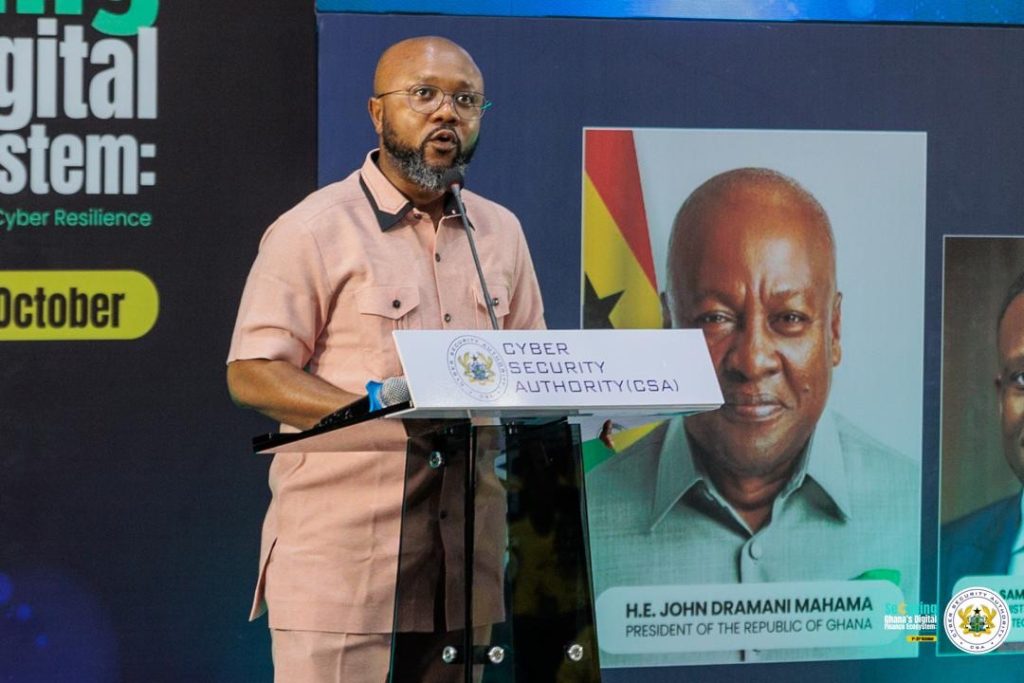
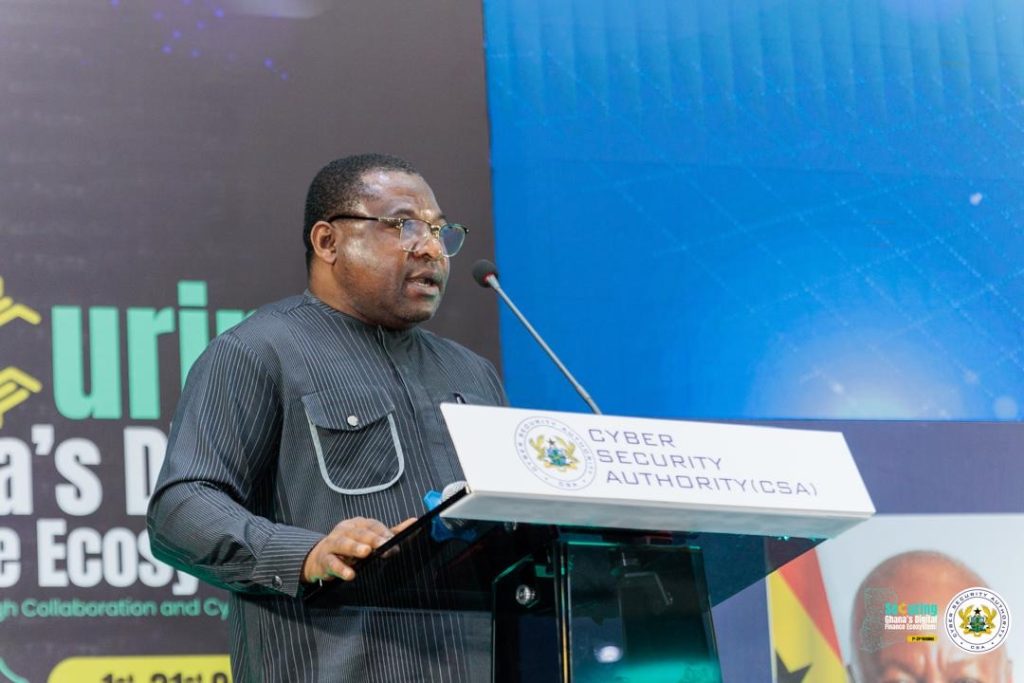
Mr Divine Selase Agbeti, Director General, Cyber Security Authority delivers the welcome address at the official opening of the Cyber Security Awareness Month (NCSAM) 2026
Mr. Agbeti called on financial institutions to share actionable threat intelligence, telecommunications companies to deepen cooperation with banks and fintechs, and regulators, technology companies, law enforcement agencies and cybersecurity service providers to exchange information quickly enough to disrupt attacks before they result in financial losses.
Rising cyber threats
The urgency of the call is reflected in data from the national Computer Emergency Response Team (CERT), coordinated by the CSA, which recorded 3,876 cybersecurity incidents between January and July 2026. Online fraud accounted for approximately 47 percent of the reported incidents.
Mr. Agbeti said the impact of cybercrime extended beyond the immediate financial loss suffered by victims, with repeated incidents capable of undermining public confidence in digital services. “When a Ghanaian loses money to cyber fraud, we lose more than money. We lose confidence,” he said, noting that declining confidence in digital platforms could affect financial inclusion, electronic commerce, innovation and the wider digital transformation agenda.
The Director-General also stressed that cyber risk must be treated as a business and national security issue rather than solely as a technology concern. “Cybersecurity must not remain buried somewhere in the technology department. Cyber risk is business risk,” he said, urging boards, chief executives and senior leaders to take direct ownership of cyber risk and regularly assess their organisations’ preparedness.
Stakeholders and some students in a group photo at the official opening of the National Cyber Security Awareness Month (NCSAM) 2026
“How quickly can we detect an intrusion? How quickly can we contain it? If our systems fail tonight, can we continue operating tomorrow morning? Do we know which third parties have access to our critical systems and data? And when the attack eventually comes, have we practised our response, or are we simply hoping our technology will save us?” he asked.
Strengthening collective defence
The opening brought together representatives of the Ministry of Communication, Digital Technology and Innovations, Ministry of the Interior, Ministry of Tourism, Culture and Creative Arts, Bank of Ghana and University of Ghana, alongside stakeholders from industry, academia and civil society.
Speaking on behalf of the Governor of the Bank of Ghana, Dr. Johnson Pandit Asiama, the Head of Cyber and Information Security, Mr. Daniel Sowah Klu, said the central bank had revised its Cyber and Information Security Directive, established a digital forensic laboratory to support investigations and prosecutions, and was developing an industry-wide fraud intelligence hub.
The Deputy Minister for Communication, Digital Technology and Innovations, Hon. Mohammed Adams Sukparu, representing the Minister, Hon. Samuel Nartey George, announced plans for a digital fraud monitoring system to strengthen the detection, prevention and response to fraudulent activities across digital platforms.
The Deputy Minister for the Interior, Hon. Ebenezer Okletey Terlabi, representing the Minister, Hon. Muntaka Mohammed-Mubarak, said the digital environment had become an increasingly important component of Ghana’s national security landscape and reaffirmed the Ministry’s commitment to strengthening law enforcement capacity to trace digital evidence and pursue offenders across borders.
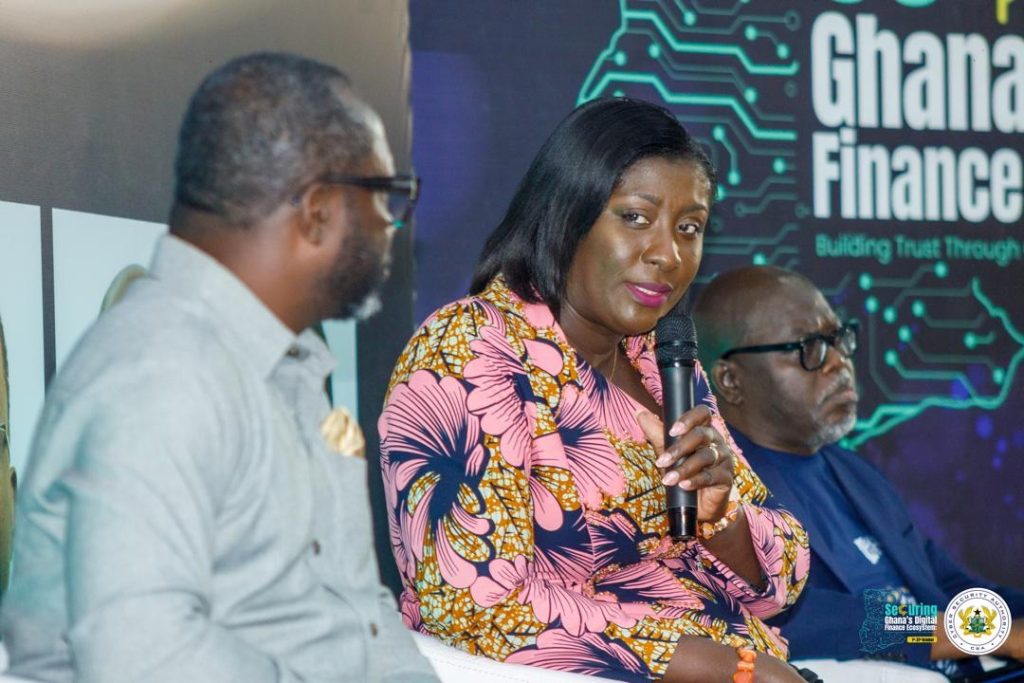
Sylvia Owusu-Ankomah, Chief Executive Officer, Ghana Chamber of Telecommunications in a panel discussion at the official opening of the National Cybersecurity Awareness Month ( NCSAM) 2026
The University of Ghana, in remarks delivered on behalf of the Vice-Chancellor, Professor Nana Aba Appiah Amfo, pledged continued support through cybersecurity research, professional training and the development of skilled cybersecurity professionals.
The Minister for Tourism, Culture and Creative Arts, Hon. Abla Dzifa Gomashie, highlighted the potential impact of cyber fraud targeting visitors on Ghana’s reputation and tourism sector. The ceremony also featured the unveiling of a commemorative digital plaque marking the CSA’s fifth anniversary.
Mr. Agbeti said the Authority would continue working with law enforcement, intelligence, regulatory and international partners to strengthen Ghana’s ability to identify, investigate and disrupt cyber-enabled crime. “Technology may allow criminals to cross borders. It does not place them beyond accountability,” he said.
Public vigilance remains critical
The CSA reminded citizens that cybersecurity begins with individual action and urged the public to pause before clicking links in messages or emails; verify details before transferring money; protect passwords and one-time authentication codes; and question unexpected requests for money, even when the voice, message or image appears to come from someone they know.
The Authority also warned that advances in artificial intelligence are making it increasingly difficult to rely solely on visual or audio cues when verifying identities. “In the age of artificial intelligence, seeing is no longer necessarily believing. Verification must become a habit,” Mr. Agbeti said.
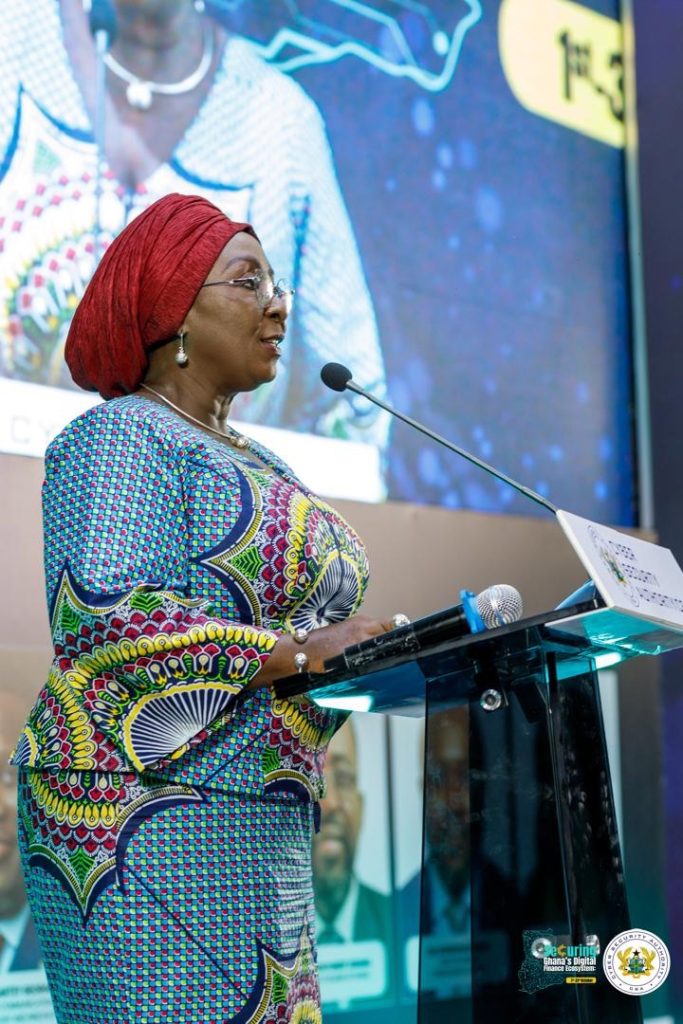
Hon. Abla Dzifa Gomashie, Minister for Tourism, Culture, and Creative Arts, addresses the audience present at the official opening of the Cyber Security Awareness Month (NCSAM) 2026
Hon. Abla Dzifa Gomashie, Minister for Tourism, Culture, and Creative Arts, addresses the audience present at the official opening of the Cyber Security Awareness Month (NCSAM) 2026
Members of the public can report cybersecurity incidents and cybercrime to the CSA by calling or texting 292, or by email at [email protected]. Throughout October, the Authority will work with partners across the financial, telecommunications, public and academic sectors to deliver cybersecurity awareness activities aimed at promoting safer digital practices and strengthening resilience nationwide.
As the CSA enters its sixth year, Mr. Agbeti called for NCSAM 2026 to serve as a catalyst for deeper and more practical collaboration. “Let us secure every transaction. Let us strengthen every institution. Let us protect every citizen. And together, let us build a digital Ghana that our people can trust,” he said.
Professor Sandow Mark Yidana, Provost, College of Basic and Applied Science, UG, delivers an address on behalf of Professor Nana Aba Appiah Amfo, VC at the official opening of the National Cyber Security Awareness Month 2026
About the Cyber Security Authority
The Cyber Security Authority (CSA) was established under the Cybersecurity Act, 2020 (Act 1038) to regulate cybersecurity activities in the country, promote the development of cybersecurity and provide for related matters. The Authority coordinates the national Computer Emergency Response Team and works with sector regulators, industry and international partners to protect critical information infrastructure and the public.
About National Cyber Security Awareness Month
National Cyber Security Awareness Month (NCSAM) is observed every October to raise public awareness of cyber risks and promote safe digital practices among citizens, businesses and public institutions.
A tragic incident has been reported at Kobilmahagu Zuo in Tamale, where three siblings who had been reported missing were found dead inside a parked vehicle.
The incident was reported on October 5, 2026, with the discovery bringing a heartbreaking end to efforts to locate the siblings.
Three Missing Siblings Found Dead Inside Vehicle in Tamale 17
According to information accompanying the report, the three siblings were found inside the vehicle after they had gone missing. The circumstances surrounding their disappearance and how they ended up inside the parked vehicle remain subject to further investigation.
The discovery has left residents and members of the community deeply concerned, as details surrounding the incident continue to emerge.
Authorities are expected to establish the circumstances that led to the deaths, including when the siblings entered the vehicle and the exact cause of death.
The incident has also renewed concerns about child safety around unattended or parked vehicles, particularly where children may gain access without adults noticing.
Ghana Media understands that further official information from the relevant authorities will be important in establishing the full circumstances of the tragedy.
Until an official determination is made, details about the cause and manner of death should be treated with caution.
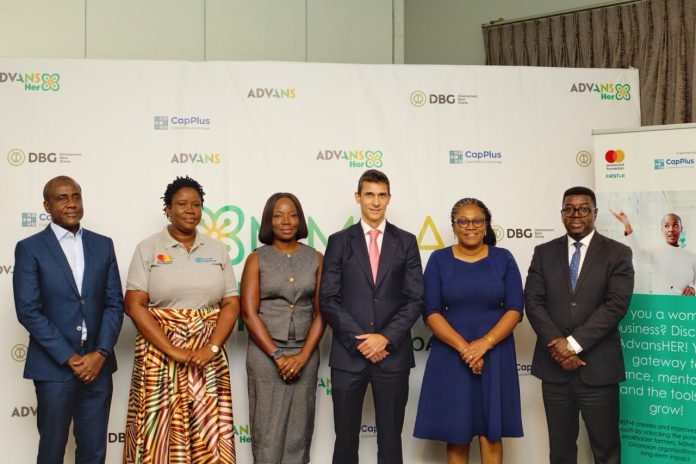
Advans Ghana Savings and Loans Limited has launched Mmaa Mpuntuo, a dedicated financing solution designed to help women entrepreneurs access working capital and investment funding to expand their businesses.
The product is being piloted with an initial GH¢20 million commitment from Development Bank Ghana (DBG), alongside technical support from CapitalPlus Exchange (CapPlus), which supported the product design and is helping prepare selected Advans Ghana branches for the pilot.
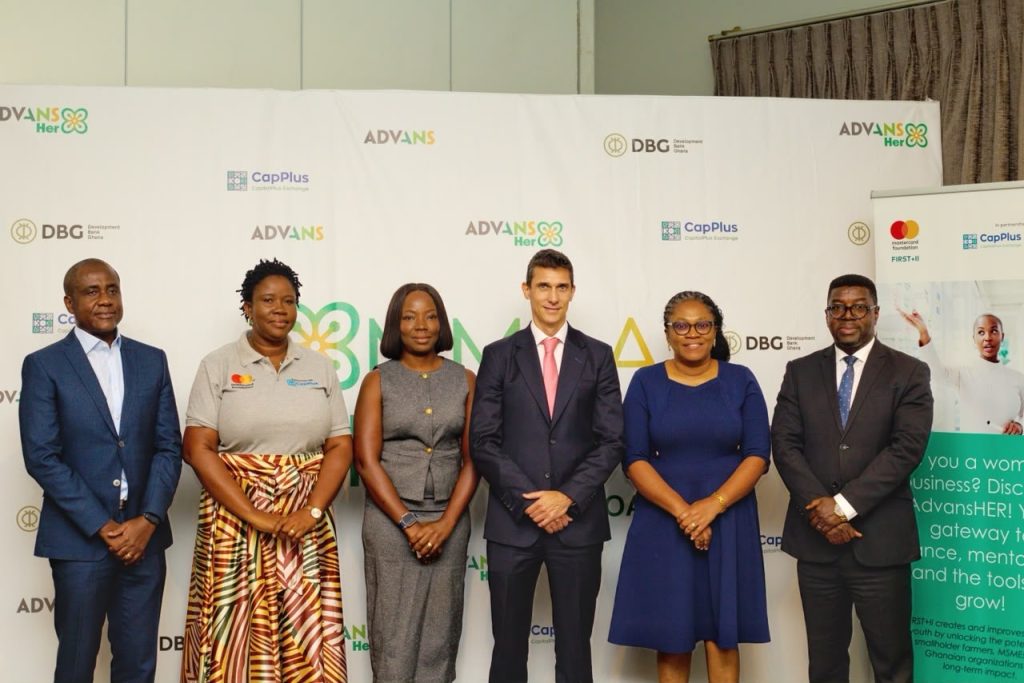
From left to right – Micheal Mensah-Baah, Deputy CEO Investments, Development Bank Ghana (DBG); Vivian Ekua Afoom, Co-Lead Ecosystem Engagement/Partnership Development for Impact, CapPlus; Anita Solomon, Head Special Deposit Institutions-Wholesale Lending, DBG; Guillaume Valence, MD/CEO Advans Ghana Savings and Loans; Barbara Odei Chief Sales and Distribution Officer, Advans Ghana Savings and Loans; and Kwame Owusu-Boateng, Deputy CEO, Advans Ghana Saving and Loans
Mmaa Mpuntuo forms part of Advans Ghana’s Advans Her gender programme and is aimed at addressing financing and business-support needs identified through research and direct engagement with women customers.
The initiative builds on Advans Ghana’s existing reach among women, who account for 61 percent of its client base but remain concentrated among its smallest borrowers.
From left to right – Micheal Mensah-Baah, Deputy CEO Investments, Development Bank Ghana (DBG); Vivian Ekua Afoom, Co-Lead Ecosystem Engagement/Partnership Development for Impact, CapPlus; Anita Solomon, Head Special Deposit Institutions-Wholesale Lending, DBG; Guillaume Valence, MD/CEO Advans Ghana Savings and Loans
In 2025, Advans Ghana disbursed more than GH¢900 million to over 15,000 clients, while the company currently disburses close to GH¢100 million each month.
“We are here to do business, you are here to do business, and we are here to do business together. Refusing a loan because of lesser collateral is not just a shame; it is a business mistake,” Guillaume Valence, Managing Director and Chief Executive Officer of Advans Ghana, said.
Financing Designed Around Women’s Needs
Mmaa Mpuntuo was developed following research and customer engagement undertaken with CapPlus to better understand the barriers women entrepreneurs face when seeking finance and growing their businesses.
The product offers lower interest rates and processing fees than Advans Ghana’s standard loans, more flexible collateral requirements, faster loan processing, mentoring and business and marketing support, as well as automatic enrolment in EduSave, a savings and investment account designed to help families plan for children’s education and offering higher interest for women.
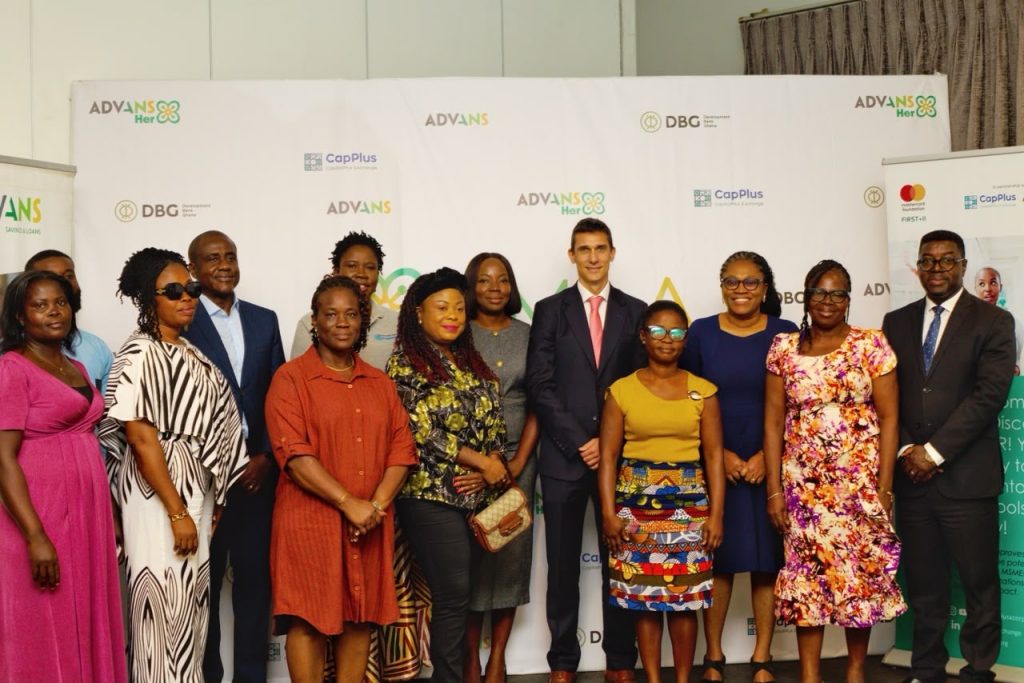
Dignitaries, invited guests and women business leaders in a group photographs at the launch of Mmaa Mpontuo by Advans Ghana
The facility is available to women aged 18 and above, including both existing and new Advans Ghana customers, who operate or are seeking to expand a business and have a clear growth plan.
Financing can be used for working capital as well as investments in business premises, equipment and other productive assets.
“Women, we want to say this morning that we are here for you. We want to make sure you have access, and we want to make sure you have knowledge,” Barbara Odei, Chief Sales and Distribution Officer of Advans Ghana, explained.
DBG Backing Aims to Deepen Access to Finance
DBG’s participation provides wholesale funding that Advans Ghana can deploy to women-led businesses through its retail lending network.
The development finance institution has disbursed GH¢1.4 billion to about 600 women-led businesses across all 16 regions during its first five years of operation.
The GH¢20 million commitment to the Mmaa Mpuntuo pilot forms part of a women-focused fund of more than GH¢300 million launched by DBG in August.
“When women businesses grow, economies grow,” Michael Mensah-Baah, Deputy Chief Executive Officer responsible for Investment at DBG, said.
He said DBG would monitor the performance and impact of the pilot, including its contribution to jobs and incomes, while indicating that additional funding could be made available as the programme demonstrates results.
Pilot to Inform Wider Rollout
Advans Ghana is initially introducing Mmaa Mpuntuo through selected branches, with CapPlus providing coaching and institutional-readiness support.
The company will gather feedback from borrowers, client relationship officers and branches during the pilot to refine the product and determine its suitability for a wider rollout.
“We are starting prudently in the form of a pilot,” Mr. Valence said.
He said the success of the initiative would be assessed not only by loan volumes and repayment performance, but also by how customers deploy the financing, including their ability to secure larger contracts, build savings and make investments in their families.
Advans Ghana is therefore developing qualitative reporting mechanisms to complement conventional lending indicators and capture the broader outcomes of the pilot.
How to Apply
Women entrepreneurs interested in Mmaa Mpuntuo can visit any of Advans Ghana’s 21 branches or call the company’s toll-free line on 0800-355-355.
About Advans Ghana
Advans Ghana Savings and Loans Limited is a financial institution focused on providing accessible and tailored financial solutions to micro, small and medium-sized enterprises (MSMEs) and individuals in Ghana. Incorporated in 2007 and commencing operations in 2008, the company is licensed by the Bank of Ghana and is a subsidiary of the Advans Group, headquartered in Europe.
Advans Ghana offers a range of financial services, including loans, savings and investment products, current accounts and digital banking solutions, designed to support business growth, financial inclusion and the evolving needs of its customers.
The company currently operates 21 branches across nine regions of Ghana and serves more than 157,000 clients. Advans Ghana is committed to responsible and client-focused financial services, with a particular focus on supporting the sustainable growth of MSMEs and expanding access to finance for underserved segments of the market.
Stanbic Bank Ghana Ltd. has launched “Be Powered”, a sustainability-focused campaign aimed at accelerating the adoption of renewable energy and sustainable mobility solutions across Ghana.
The campaign is anchored by the Bank’s newly introduced Solar and Electric Vehicle (EV) Finance Solution, which provides tailored financing to help individuals, businesses and institutions invest in clean energy and sustainable transport technologies.
Stanbic Bank Launches ‘Be Powered’ Campaign for Ghana’s Green Future 22
The initiative reinforces Stanbic Bank’s commitment to sustainability and aligns with the Standard Bank Group’s “Think Green. Go Blue.” agenda, which supports Africa’s transition to a more resilient and sustainable future.
Speaking at the launch, Head of Business & Commercial Banking, Dinah Kaleo-Bioh, underscored the importance of sustainable growth.
“At Stanbic Bank, our purpose is clear: Africa is our home, and we drive her growth. We believe that Africa’s growth must be powered by solutions that are sustainable, inclusive, and capable of creating long-term value. Through our Solar and EV Finance Solution, we are providing practical support to help individuals and businesses participate in Ghana’s transition towards cleaner energy and sustainable mobility.”
Stanbic Bank noted that while demand for renewable energy and sustainable transport solutions continues to grow, access to financing remains a key barrier for many households and businesses. The Solar and EV Finance Solution has been designed to bridge this gap by making such investments more accessible.
Also speaking at the launch, Head of Brand & Marketing, Chidinma Braye-Yankee, described the initiative as a movement to inspire action.
“Be Powered is an agenda that seeks to inspire awareness, adoption and action. We recognise that while interest in sustainability continues to grow, many people still view renewable energy as complex or inaccessible. This campaign is designed to educate, empower and demonstrate that sustainable solutions are achievable today.”
She added that the campaign reflects the Bank’s commitment to driving sustainable growth and innovation.
“Be Powered is about empowering individuals and businesses to embrace the future with confidence. It is about powering homes, powering businesses, powering innovation and ultimately powering growth.”
The campaign brings together Stanbic Bank’s Business & Commercial Banking, Corporate & Investment Banking, and Personal & Private Banking teams to support clients across all segments with financing and advisory solutions.
Stanbic Bank believes wider adoption of renewable energy and sustainable mobility can strengthen energy security, improve business resilience and support economic growth. Through Be Powered, the Bank is encouraging Ghanaians to embrace sustainable solutions that create value today while securing a better future for generations to come.
– Ends –
Dinah Kaleo-Bioh, Head of Business & Commercial Banking, Stanbic Bank Ghana
Notes to Editors
About Stanbic Bank Ghana
For over 26 years, Stanbic Bank Ghana has been a leading force in the nation’s banking sector, distinguished by financial strength, innovation, and a commitment to driving national growth. Since its establishment in 1999, the bank has maintained its position among Ghana’s top tier-one institutions, delivering world-class solutions guided by a highly experienced leadership team. As a subsidiary of the Standard Bank Group, Africa’s largest bank by assets, Stanbic Bank leverages deep sector expertise and a strong pan-African presence across 20 countries. Standard Bank Group is the first African banking group to be licensed as a direct CIPS participant. Standard Bank’s strategic partnership with the Industrial and Commercial Bank of China (ICBC), a 20% shareholder, further enhances Stanbic Bank Ghana’s access to global trade finance networks, Asian markets, and competitive cross-border financing opportunities. Stanbic Bank provides structured finance, capital solutions, treasury services, commodity trade expertise, and strategic advisory support. Guided by the purpose that “Ghana is our home,” Stanbic Bank Ghana remains committed to driving growth by empowering businesses, enabling prosperity, and supporting national development for decades to come.
Media Contact: Derick Romeo Adogla Head, Communications and Reputation Management Stanbic Bank Ghana Email: [email protected] Tel: +233 (0)25 639 7983
Ghanaian musician Fameye has criticised actor and filmmaker Kwadwo Nkansah Lil Win over what he considers excessive release of behind-the-scenes footage from his movie productions.
Fameye Criticises Lil Win Over Excessive Behind-the-Scenes Footage 24
According to Fameye, while behind-the-scenes content can be an effective way to promote a film, filmmakers must be careful not to reveal significant plot details or important character moments before the official release.
He argued that excessive exposure of key scenes could reduce the suspense and excitement surrounding a movie, potentially discouraging some people from paying to watch the finished production.
Fameye believes behind-the-scenes materials should primarily create anticipation and curiosity rather than give audiences too much information about what happens in the movie.
His comments come amid growing use of social media by Ghanaian filmmakers and actors to promote upcoming productions, with short clips, rehearsal footage and production moments increasingly shared online ahead of premieres.
Fameye urged Lil Win and other filmmakers to exercise greater caution when selecting what to release from their productions, stressing the importance of protecting the integrity of their projects while maintaining public interest.
The comments have also sparked a broader conversation about how Ghana’s film industry can balance aggressive social media promotion with the need to preserve the element of surprise that attracts audiences to cinemas and other viewing platforms.
Cogniora Research Limited, a research and consultancy company headquartered in the United Kingdom, has officially expanded its services into Ghana, with a focus on strengthening evidence-based decision-making across the academic, business and public sectors.
Cogniora Research Begins Ghana Operations With Evidence-Based Decision-Making 26
The company says its expansion is aimed at providing organisations, government institutions, businesses, development agencies and individuals with credible research and analytical support to better understand challenges, identify opportunities and make informed decisions.
With a growing presence across Ghana, Nigeria and the wider West African region, Cogniora Research says its mission is to help clients replace uncertainty with clear, reliable and actionable evidence.
The company provides research support across three key areas: Academic and Research Support, Commercial Research, and Public Sector Research.
Under Academic and Research Support, Cogniora Research provides research design, methodology development, data analysis, research training and analytical support aimed at improving the quality and rigour of academic and professional research.
The company also emphasises ethical research practices, highlighting the importance of credible methodologies and responsible data handling in producing findings that can withstand professional and academic scrutiny.
Through its Commercial Research services, Cogniora Research supports businesses and organisations with market, customer and business research designed to improve understanding of audiences, assess market conditions and identify emerging opportunities.
In the public sector, the company provides policy research, monitoring and evaluation services and other forms of evidence generation to support government institutions, development organisations and public programmes.
Leading the company’s research and training activities is Dr Victor Atiase, Director of Research and Training, whose experience combines academic expertise with practical insight.
Dr Atiase and the research team provide support in areas including research design, data analysis, professional training and evidence-based decision-making, with an emphasis on translating research findings into practical action.
Speaking on the company’s vision, Dr Atiase said Ghana’s development challenges require credible research capable of informing policy and improving public services.
“Ghana’s development needs call for credible research that informs policy and improves public services. Businesses need reliable evidence to understand their markets and respond to emerging challenges, while academic research must meet rigorous methodological and ethical standards,” he said.
He added that Cogniora Research was established to bridge the gap between research and practical decision-making by ensuring that evidence generated through its work contributes to measurable impact.
“At Cogniora Research, our aim is to produce evidence that guides practical decisions and generates impact,” Dr Atiase said.
The company is also positioning itself for partnerships with institutions, organisations and individuals seeking professional research, consultancy and training services across Ghana and the wider West African region.
As part of its Ghana expansion, Cogniora Research is inviting prospective clients and partners to explore its services and discuss research, consultancy, training and partnership opportunities.
For enquiries and further information, interested individuals and organisations can visit Cogniora Research or contact the company via [email protected] or +44 7802 824894.