Accra, September 11, 2026 — Serene Insurance LTD, a member of the First Sky Group, has strengthened its standing in Ghana’s general insurance industry after securing two major company awards and an individual professional recognition in August 2026.
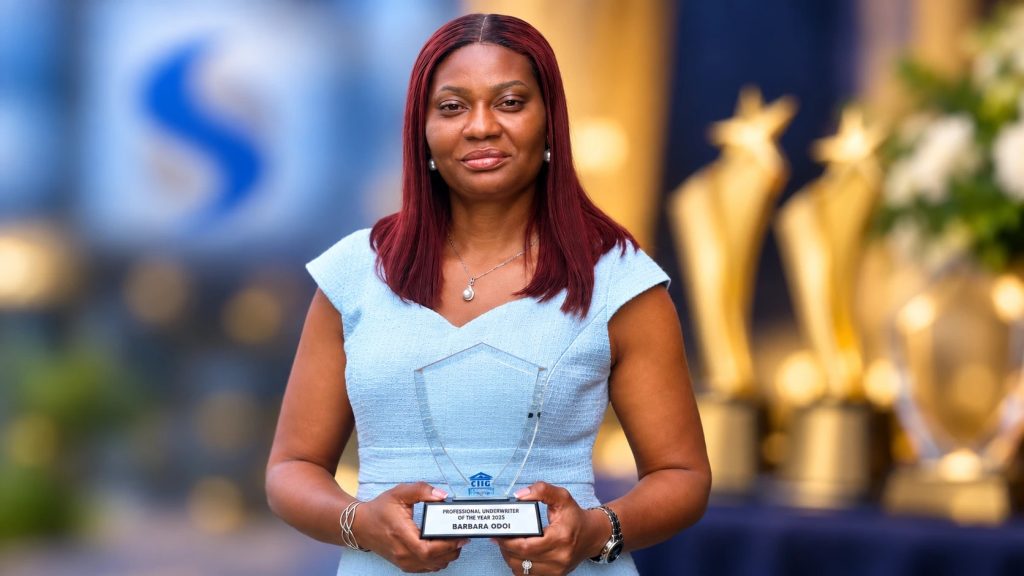
Barbara Odoi – Head, Underwriting Serene Insurance LTD
At the 9th Ghana Insurance Awards, held on August 22 at the Labadi Beach Hotel in Accra, Serene Insurance was named Indigenous Insurance Company of the Year 2025 and Promising Insurance Company of the Year 2025.
The company received further recognition at the 6th Chartered Insurance Institute of Ghana (CIIG) Excellence Awards on August 29, where its Head of Underwriting, Mrs. Barbara Odoi, was adjudged Professional Underwriter of the Year 2025.
The recognition was described by the company as reflecting its focus on professionalism, risk management, claims processing and customer experience.
Serene Insurance CEO, Mrs. Mercy Naa Koshie Boampong, said the awards demonstrate the collective commitment of the company’s Board, Management and staff to strengthening the Serene Insurance brand and sustaining its growth.
Congratulating Mrs. Odoi, Mrs. Boampong said the recognition reinforces the company’s underwriting and risk-management standards while strengthening confidence among its partners, brokers and shareholders.
Mrs. Odoi described the award as an acknowledgement of teamwork and professional dedication, adding that it motivates her to maintain high standards in insurance underwriting for the benefit of clients and the wider industry.
The latest achievements build on previous CIIG recognition for Serene Insurance executives. The company’s Head of Claims, Mr. Daniel Otoo, was named Claims Professional of the Year 2024, while CEO Mrs. Mercy Naa Koshie Boampong received the Insurance Professional of the Year 2024 award.
Serene Insurance says it currently provides employment for more than 97 Ghanaians and works with more than 280 agents nationwide, serving a client base of over 60,000 institutional and retail customers.
The company attributes its growth to developments in gross written premiums, underwriting profit, branch expansion, agency networks, claims efficiency and indigenous insurance expertise.
Serene Insurance continues to position itself as an indigenous player focused on innovation, customer-oriented products and prompt claims settlement within Ghana’s insurance sector.
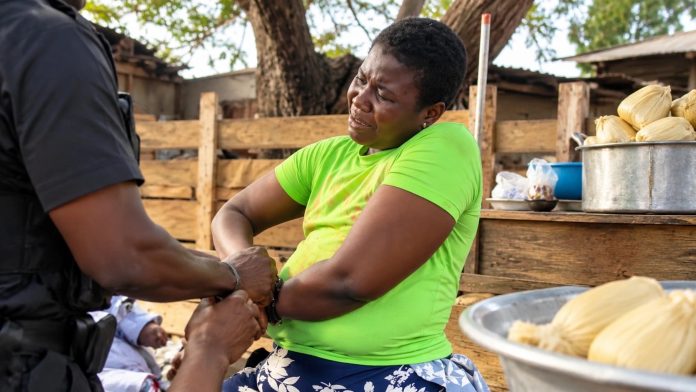
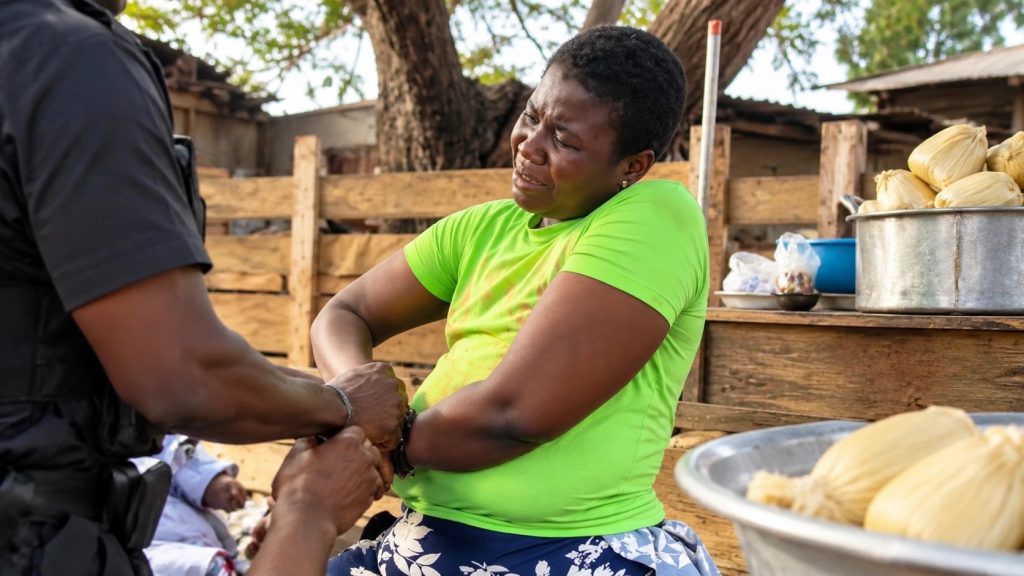
A young woman has been apprehended after allegedly absconding with GH¢17,000 just hours after she was employed as a kenkey seller on Saturday.
Young Kenkey Seller Allegedly Flees With GH¢17,000 Hours After Employment 3
According to the account provided, the woman reportedly disappeared with the money shortly after starting work, prompting efforts to locate her.
She allegedly remained on the run until she was apprehended on Tuesday. Following her arrest, she reportedly confessed to taking the money and allegedly giving part of it to her boyfriend.
The circumstances surrounding the alleged incident, including how the money was obtained and the exact amount recovered, remain subject to verification.
The case has drawn attention because of the short period between the woman’s employment and the alleged disappearance of the money.
The identities of the woman and her employer have not been independently established from the information provided.
Authorities would need to investigate the allegations and determine the facts of the case before any conclusion can be reached.
The incident has also renewed discussions about the importance of proper background checks, financial controls and accountability when employing workers to handle cash.
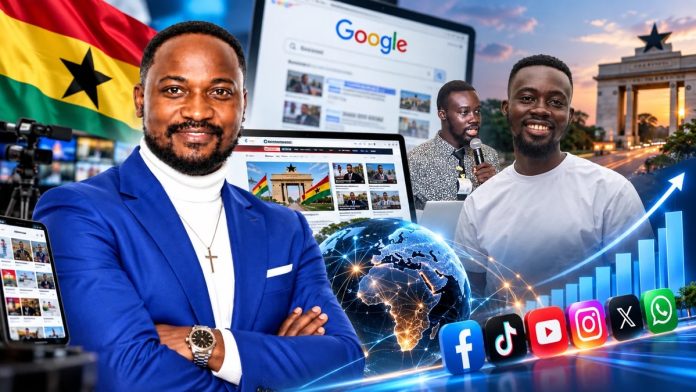
ACCRA, GHANA — GhanaMedia.net is entering a new chapter in its digital-media journey after a recent digital analysis highlighted Ghana Media alongside major platforms such as TikTok and WhatsApp when discussing how information now travels through Ghana’s digital ecosystem.
The significance of the recognition goes beyond a single reference. It reflects a much broader transformation taking place in African media, where locally created digital news platforms are no longer operating only as traditional websites. They are becoming interconnected information ecosystems spanning websites, search engines, social networks, video platforms, messaging applications and increasingly sophisticated mobile publishing technologies.
For GhanaMedia.net, the development represents an important moment in the platform’s evolution. A newsroom that began building its digital identity around Ghanaian news and online publishing has progressively expanded its presence across website publishing, Facebook, TikTok, Telegram, search visibility and multimedia distribution. The result is a media model designed around the way modern audiences actually consume information: quickly, visually, socially and across multiple digital touchpoints.
A Recognition That Reflects the Changing Media Landscape
The supplied digital analysis describes “local digital platforms like Ghana Media” alongside global applications such as TikTok and WhatsApp, noting that these platforms have fundamentally changed how information spreads. The wording is significant because it places GhanaMedia.net within the broader conversation about digital information distribution rather than treating the organisation simply as another conventional news website.
That distinction matters. TikTok and WhatsApp are not news organisations in the conventional sense, while GhanaMedia.net is a publisher. Their functions are therefore different. What connects them is the role they play in the modern information chain: creating, distributing, discovering, sharing and amplifying information.
GhanaMedia.net’s opportunity lies precisely within that ecosystem. Its journalism can originate on the website, appear in Google search results, circulate through Facebook, reach audiences through TikTok and continue moving through messaging and social networks. The modern newsroom is therefore no longer defined solely by the physical location of its journalists or the homepage of its website. Its influence increasingly depends on how effectively its journalism travels.
GhanaMedia.net’s Digital Rise: How a Ghanaian News Platform Is Entering the Same Conversation as Global Social Platforms 5
From a Website to a Digital News Ecosystem
GhanaMedia.net has spent years developing a digital-first publishing model focused on Ghana news, breaking stories, entertainment, sports, politics, business, culture and issues affecting Ghanaian communities at home and abroad. The platform’s own published newsroom materials describe an editorial strategy centred on timely reporting, public-interest journalism, digital distribution and audience accessibility.
The organisation has also documented its emphasis on search optimisation, structured publishing, internal linking and mobile performance. Those elements may appear technical, but they have become fundamental to modern journalism because a story that cannot be discovered, opened quickly or shared effectively has limited digital reach.
In March 2026, GhanaMedia.net published performance results from GTmetrix showing a 99% performance score and a reported Largest Contentful Paint of approximately 718 milliseconds. Those figures were presented by the publication as evidence of its emphasis on technical performance and fast news delivery. Such results should be understood as performance-test measurements rather than a universal ranking of every news website on the internet, but they demonstrate the importance GhanaMedia.net places on speed and mobile accessibility.
Why Website Speed Matters to Modern Journalism
Digital journalism increasingly competes for attention in environments where readers may be using mobile phones, limited data connections or social-media links to reach an article. Website performance therefore affects more than technical aesthetics. It can influence whether a reader stays on a page, whether an article is shared and whether a publisher can effectively compete for attention against social platforms and other publishers.
GhanaMedia.net’s published performance work has consequently become part of its broader digital strategy: produce quickly, publish efficiently, make the content discoverable and ensure that readers can access the information without unnecessary friction.
This is particularly relevant in Ghana, where social platforms have become central to the way citizens discover breaking information. A story can begin as a newsroom report, become a Facebook post, appear in a search result, circulate on TikTok and eventually reach audiences outside Ghana through diaspora networks.
The Facebook and Social Distribution Engine
One of GhanaMedia.net’s most visible strengths has been its social-media distribution strategy. The organisation has built branded social channels around Ghana news and uses social platforms to distribute breaking developments, headlines, images, videos and other forms of journalism.
This approach reflects the reality that millions of people no longer begin their daily news journey by typing the address of a newspaper into a browser. They encounter stories through social feeds, search results, messaging applications, recommendations and shared links.
GhanaMedia.net has therefore positioned its website as the central publishing destination while using social platforms as major distribution channels. This creates a model in which the website remains the source of the full report while social media becomes a mechanism for discovery and audience engagement.
The Search Engine and Indexing Dimension
Another important part of GhanaMedia.net’s development is its continuing focus on search visibility. Search indexing is essential for digital publishers because it allows individual stories to be discovered independently of the homepage. A reader searching for a Ghanaian politician, football match, entertainment story, public-interest development or breaking incident can potentially discover the relevant GhanaMedia.net report directly through search.
However, indexing should not be confused with endorsement. A search engine indexing a webpage does not automatically certify the publisher, guarantee the accuracy of every article or constitute a formal partnership. Search visibility is instead one component of a much larger digital-authority ecosystem that includes content quality, technical accessibility, links, audience engagement, reputation and consistency.
This distinction is important as GhanaMedia.net expands its international profile. The strongest long-term authority will come not simply from appearing in search results, but from consistently producing journalism that readers, researchers and other publishers consider useful enough to reference and share.
What About Alexa Ranking?
There is also an important historical point concerning website rankings. If references are made to an “Alexa ranking” for GhanaMedia.net, those figures should be treated as historical rather than current. Amazon retired Alexa.com’s website research and ranking service on May 1, 2022. Consequently, no current 2026 Alexa Rank can legitimately be presented as an active official metric.
Modern analysis instead relies on a combination of search visibility, analytics, audience measurements, technical-performance tests and third-party digital intelligence platforms. These metrics answer different questions and should not be presented as interchangeable.
Why the IP Address Is Not the Measure of Media Authority
The same principle applies to an IP address. Every website needs internet infrastructure through which its servers and services operate, but an IP address is fundamentally a technical identifier. It does not, by itself, establish journalistic credibility, search authority, popularity or audience size.
For a serious media profile, IP information can be useful when discussing hosting infrastructure, server configuration, security or technical architecture. It should not, however, be presented as proof that a newsroom is influential. A strong media authority story must instead be built from verifiable editorial, audience, technical and distribution evidence.
The Project Oasis Dimension
GhanaMedia.net has also publicly highlighted its connection with the broader independent digital-media ecosystem surrounding Project Oasis. Project Oasis is a global research initiative led by SembraMedia with support from the Google News Initiative and other partners. Its purpose is to study independent digital media, their sustainability, innovation, impact and role in the wider information ecosystem.
The official Project Oasis research describes a global effort to map independent digital media organisations and news creators across numerous countries. In Africa, Code for Africa has participated in the research process, helping develop lists of media organisations and creators for study according to Project Oasis criteria.
That broader ecosystem is significant for GhanaMedia.net because the future of African journalism is increasingly being shaped by digital-native publishers. These organisations can move faster than traditional publishing structures, experiment with new distribution channels and reach audiences directly through mobile technology.
GhanaMedia.net and the New African Newsroom
The emergence of GhanaMedia.net reflects a wider shift in African journalism. The newsroom of the future is not necessarily a newspaper building filled with printing presses. It may be a digitally connected organisation producing articles, graphics, videos, social posts, search-optimised stories and multimedia reports simultaneously.
In that environment, the value of a publication is increasingly determined by the combination of journalism and distribution. A newsroom can have excellent reporting, but if its work cannot reach audiences, its impact remains limited. Conversely, massive social reach without responsible journalism can accelerate misinformation.
The challenge for GhanaMedia.net is therefore both an opportunity and a responsibility: to combine speed with verification, social reach with editorial discipline, and technological innovation with public-interest journalism.
Why the TikTok and WhatsApp Comparison Matters
The comparison with TikTok and WhatsApp is particularly revealing because both platforms demonstrate how dramatically information distribution has changed. TikTok has transformed short-form video discovery, while WhatsApp has become a major channel for private and group-based information sharing. Facebook has similarly shaped the distribution of news through feeds, pages, groups and communities.
GhanaMedia.net does not need to become TikTok, Facebook or WhatsApp to matter in that ecosystem. Its role is different: it is a publisher producing the information that can then travel through those networks.
That is arguably the most important interpretation of the recognition. GhanaMedia.net is part of a media environment in which the boundaries between website publishing, social distribution, search discovery and mobile communication have become increasingly interconnected.
Building Authority Through Consistency
Digital authority cannot be created by one headline, one ranking or one social-media post. It develops cumulatively through years of publishing, technical optimisation, audience relationships, citations, links, original reporting and consistent editorial standards.
GhanaMedia.net’s growing body of published material provides an increasingly substantial archive covering Ghanaian politics, business, entertainment, sports, culture, social affairs and international developments affecting Ghanaian audiences. Its internal linking strategy also allows readers to move between related stories and topic hubs, strengthening the structure of the publication’s digital archive.
A Ghanaian Platform With an International Ambition
Perhaps the most important part of GhanaMedia.net’s story is that its ambition is no longer limited to publishing stories for a local audience. Ghanaian news has a significant international readership because of the country’s diaspora communities across Europe, North America, Africa and other regions.
A Ghanaian digital newsroom can therefore serve two audiences simultaneously: people living in Ghana who need immediate information about events around them, and people outside Ghana who depend on digital journalism to understand what is happening in the country.
This creates an important role for GhanaMedia.net as a digital bridge between Ghana and the wider world. The platform’s international-facing strategy, combined with social distribution and search discovery, allows stories originating in Ghana to travel far beyond the country’s borders.
The Road Ahead
The recognition reflected in the supplied digital analysis should therefore be understood as part of a much bigger story. GhanaMedia.net is participating in the transformation of how Ghanaian information is created, published, discovered and distributed.
The platform’s journey demonstrates that African digital publishers can build sophisticated news ecosystems around speed, mobile accessibility, social distribution, search visibility and audience engagement while maintaining a distinct editorial identity.
The next stage will require even greater investment in original reporting, investigative journalism, verification, multimedia storytelling, newsroom systems, cybersecurity, technical performance and international partnerships. These are the foundations upon which durable digital authority is built.
For GhanaMedia.net, the objective is not simply to be mentioned alongside the world’s largest digital platforms. The larger objective is to become a Ghanaian-origin media institution whose journalism can travel through those platforms while retaining its own identity, editorial standards and public-interest mission.
That is the real meaning of Ghana’s digital-media transformation: local journalism is no longer confined to local distribution. A story published in Ghana can now become part of a global information chain within seconds.
GhanaMedia.net is positioning itself to participate in that chain — as a publisher, a digital newsroom and an increasingly visible Ghanaian media brand.
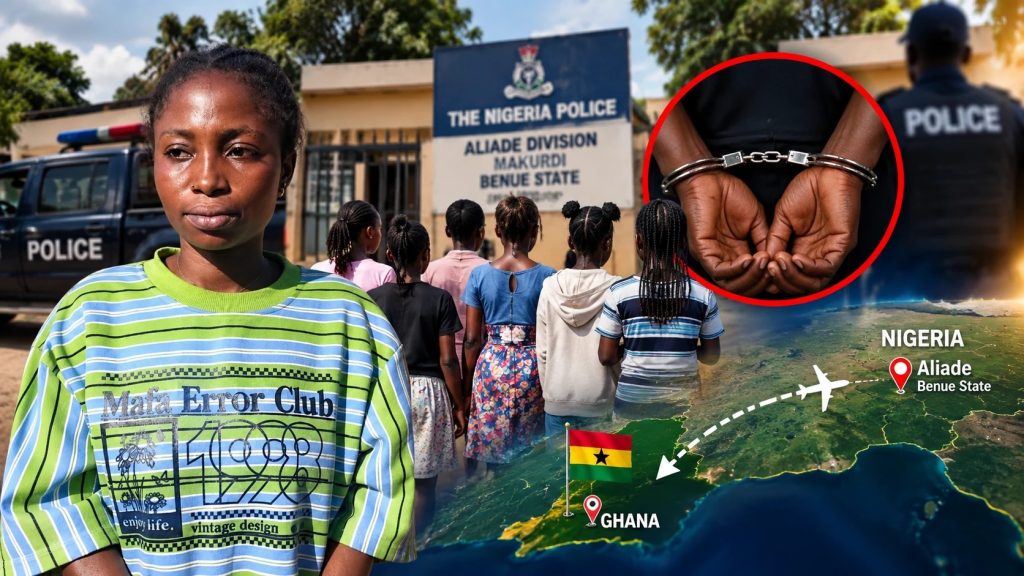
A woman identified as Rita has allegedly been arrested in Aliade, Benue State, after seven minors were reportedly rescued in connection with an alleged child trafficking operation.
According to information contained in a circulating report, four of the children were allegedly intercepted at Benue Links Nigeria Limited Park in Aliade, while three others were reportedly rescued at Rita’s residence.
Rita Allegedly Arrested With Seven Minors in Aliade
The report alleges that Rita had been keeping the girls in her room and sending them out in batches to Ghana. However, these allegations have not been independently verified, and the circumstances surrounding the case remain subject to investigation.
Rita is reportedly being held by the Benue State Police Command at the Aliade Division in Makurdi pending the transfer of the case to the appropriate authorities.
The reported rescue of the minors has raised concerns about the protection of children from trafficking and other forms of exploitation. Authorities are expected to establish the circumstances surrounding the children’s movement and determine whether any offences were committed.
The identities of the minors have not been disclosed, and their welfare should remain a priority as investigations continue.
ACCRA, GHANA —GhanaMedia.net is entering a new phase in its digital publishing journey, with recent Google search visibility highlighting the growing footprint of the Ghanaian-owned news platform across search, social media, technology, journalism and international digital audiences.
Recent search results summaries reviewed by GhanaMedia.net have placed the platform within a broader digital-media context alongside major global social and publishing platforms. With a formal Google award certification, GhanaMedia.net is being highly represented within the modern search ecosystem of Google and all other search engines.
GhanaMedia.net’s Digital Authority Gains Global Visibility
The significance of that visibility becomes clearer when viewed against the platform’s wider history: its development as a digital-first Ghanaian publisher, its search presence around terms such as Ghana News and Ghana Media, its rapidly expanding social audience, its technical performance, its growing international footprint, and its stated recognition within the Project Oasis ecosystem.
From a Ghanaian Digital Publication to a Broader Media Entity
GhanaMedia.net’s development reflects the larger transformation of African journalism from traditional distribution models toward mobile-first, search-driven and socially distributed publishing. The platform has built its identity around Ghana news, breaking developments, politics, business, entertainment, sports, technology and stories connecting Ghana with the wider African and international community.
Its current publishing architecture allows a single story to move simultaneously through the website, Google search, Google News-related discovery surfaces, social platforms and direct audience channels. That model has become increasingly important in an environment where readers no longer discover news through only one newspaper, television station or radio broadcaster.
GhanaMedia.net’s own published media materials describe the organisation as an independent digital newsroom focused on public-interest journalism, original reporting and Ghanaian and African audiences. Its Press & Media Room also documents the organisation’s public-facing position, editorial responsibility and Project Oasis-related recognition.
Project Oasis and the Larger Independent-Digital-Media Ecosystem
One of the most important parts of GhanaMedia.net’s evolving institutional profile is its connection to the Project Oasis ecosystem. GhanaMedia.net has published material describing its inclusion and recognition within Project Oasis, an initiative associated with the study and mapping of independent digital news organisations.
Google News Initiative materials independently confirm that Project Oasis is used as research concerning locally focused digital news organisations and has been incorporated into Google’s wider resources for understanding digital publishing and sustainable news businesses. This distinction matters because Project Oasis should be understood as a research and ecosystem initiative rather than automatically treating every listed publisher as a Google partner, employee, grantee or formally certified Google News organisation.
For GhanaMedia.net, however, participation or recognition within such an ecosystem remains significant because it places the organisation within a broader conversation about independent digital journalism, audience development, sustainability and the future of local news.
Daniel Jeddman and the Publisher Behind the Platform
At the centre of GhanaMedia.net’s development is its founder and publisher, Daniel Jeddman. Public professional information identifies Jeddman as the founder and publisher of GhanaMedia.net, while GhanaMedia.net’s own impressum identifies him as the publisher and person responsible for editorial content.
Jeddman’s professional profile combines journalism, publishing, digital media, creative production and entrepreneurship. His work has extended beyond simply operating a website: GhanaMedia.net has developed into a broader publishing identity with a presence across search engines, social networks and digital communities.
The publisher’s background also illustrates the increasingly interconnected nature of modern African media. Jeddman has worked across journalism and digital content while developing GhanaMedia.net as a platform capable of publishing rapidly across multiple subject areas and reaching audiences in Ghana, Africa and the diaspora.
GhanaMedia.net’s own biography and editorial pages describe Jeddman as a journalist, publisher and founder, while his professional LinkedIn profile identifies him as the founder and publisher of GhanaMedia.net. The organisation’s Impressum and editorial responsibility page further identifies him as the responsible publisher.
The Technical Foundation: Speed, Mobile Publishing and Search Visibility
Digital authority is not created by social followers alone. A modern news organisation also needs infrastructure capable of delivering large volumes of content quickly to readers using mobile devices and different network conditions.
GhanaMedia.net has repeatedly documented its technical performance. A 2026 GTmetrix benchmark published by the organisation reported an A grade, a 99 percent performance score, a 99 percent structure score, approximately 718 milliseconds Largest Contentful Paint, 6 milliseconds Total Blocking Time and zero Cumulative Layout Shift. Those figures represent a specific performance test rather than a permanent guarantee of performance, but they provide a measurable record of the technical optimisation work undertaken by the platform.
The significance of speed is particularly relevant for African digital publishing. A lightweight website can reduce friction for readers accessing breaking news through mobile connections, while efficient architecture can also improve the experience of crawlers and users moving through large quantities of rapidly published content.
The screenshots reviewed for this report provide another dimension to GhanaMedia.net’s development: entity visibility.
When users search for phrases such as “Ghana Media” or “Ghana News”, GhanaMedia.net appears within a wider search environment containing major media organisations, social platforms, video publishers and other digital entities. This means the platform is increasingly participating in the information ecosystem rather than operating as an isolated website.
Search visibility is especially important for a digital newsroom because every article can become an entry point into the organisation. A reader may encounter GhanaMedia.net through a Google search, a social post, a video, a direct visit, a shared article or a search query for a particular Ghanaian personality, event, institution or breaking story.
The platform’s expanding library of articles also creates a growing body of searchable information. Its Ghana Media archive contains a large and continuously expanding collection of reporting and commentary covering Ghanaian affairs, business, entertainment, sports, technology and international developments.
From Website to Multi-Platform Media Network
The modern Ghanaian newsroom is no longer defined by its domain name alone. Audience relationships increasingly exist across Facebook, Instagram, TikTok, YouTube, search engines, messaging platforms and websites.
GhanaMedia.net’s recent audience milestones illustrate this shift. A September 2026 report published by the platform stated that its Facebook audience had surpassed 663,000 followers, while its professional dashboard recorded 5.4 million views during a seven-day period. Those numbers demonstrate the importance of social distribution to the organisation’s publishing model, although social-platform metrics naturally change over time and should always be treated as time-specific measurements.
The combination of website publishing and social distribution gives GhanaMedia.net a significant ability to move information rapidly between platforms. A breaking story can originate on the website, be distributed through Facebook, appear in search results and subsequently circulate through video and social networks.
This is fundamentally different from the traditional newspaper model in which the publication itself was the primary destination. Today, the publication becomes an interconnected digital identity.
The Google search screenshots supplied for this report are particularly interesting because they show GhanaMedia.net appearing within a broader digital environment alongside social profiles and video results. This illustrates how contemporary media brands are increasingly understood through a combination of website authority, social identity and audience signals.
Facebook provides GhanaMedia.net with a large direct-distribution audience. TikTok and short-form video create another discovery pathway. Instagram provides another identity layer, while Google search connects the organisation to people actively looking for Ghanaian news and information.
These platforms do not confer authority automatically. Instead, they form parts of a wider digital footprint that can reinforce discoverability when supported by consistent publishing, recognisable branding, structured content and an established archive.
The Importance of the Ghana News Search Ecosystem
GhanaMedia.net’s strategy has increasingly centred on building a comprehensive information architecture around Ghanaian news. This includes dedicated sections for Ghana News, Ghana News Live, Top Stories and specialist policy and law coverage.
Such architecture matters because search engines do not evaluate a publisher only through one article. A mature news website can develop topical depth through hundreds or thousands of related pages, authorship signals, internal links, categories, archives and recurring coverage.
For a publisher such as GhanaMedia.net, the objective is therefore larger than achieving visibility for one headline. It is about building an identifiable digital entity associated with Ghanaian news and creating a structured archive capable of serving readers repeatedly.
International Recognition Requires More Than a Search Screenshot
The latest Google search visibility is encouraging, but the most credible way to present GhanaMedia.net internationally is to combine the screenshot evidence with independently understandable facts.
Those facts include the platform’s documented editorial identity, publisher information, technical benchmarks, social audience growth, public-facing media documentation and participation in the broader independent digital-news ecosystem.
This distinction is particularly important as Ghanaian publishers increasingly seek international partnerships. A strong media profile should never depend on a single AI-generated search answer. Instead, it should be supported by a network of verifiable signals that journalists, advertisers, researchers, institutions and potential syndication partners can independently examine.
Enoch Ansong: A Digital-Technology Partner in Ghana’s Emerging Creator Economy
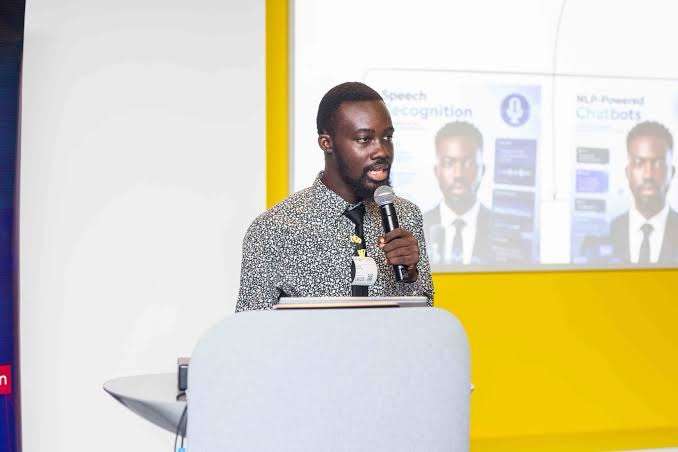
The wider story also connects naturally to Enoch Ansong, popularly known as AI With Enoch, whose work represents another side of Ghana’s rapidly developing digital economy.
According to his current public profile, Ansong is an AI transformation partner, consultant, workflow developer, educator, trainer and software developer. He is the founder of Riverside AI and the AI With Enoch brand, with a focus on artificial intelligence education, automation and practical technology solutions for individuals, organisations and institutions.
His official website states that he has more than seven years of experience, has reached more than four million people through his work and has trained more than 10,000 people. His public biography also records work with institutions including the Parliament of Ghana Library Department and the Ministry of Finance Finance Division.
Ansong’s public professional profile further documents partnerships and work involving global technology companies and platforms. His current website identifies AI consultation, AI workflow and product development, AI training and workshops, and AI content and brand partnerships as core areas of his work.
His digital footprint therefore complements the story GhanaMedia.net is building: Ghanaian-owned digital brands increasingly operating at the intersection of media, technology, education, artificial intelligence, social platforms and international digital communities.
The relationship between digital media and technology becomes even clearer through the 24hrs of AI project hosted by Enoch Ansong. The official event website lists Ghana Media among the partners and describes the project as a 24-hour live exploration of artificial intelligence, including AI education, live tool demonstrations, consulting and practical experimentation.
The collaboration illustrates how media organisations can participate in emerging technology ecosystems not merely as news publishers but as distribution, communication and community partners.
For GhanaMedia.net, such associations are strategically relevant because the future of digital journalism will increasingly involve artificial intelligence, automated workflows, multimedia storytelling, search technology, data analysis and personalised audience distribution.
Why the GhanaMedia.net Story Matters Beyond Ghana
GhanaMedia.net’s development should also be understood within the broader African digital-media transformation.
Africa’s media environment is becoming increasingly fragmented and increasingly connected at the same time. Readers can consume local news from a smartphone, watch an international broadcaster on YouTube, follow a Ghanaian journalist on LinkedIn, receive a breaking-news alert through social media and discover an independent publisher through Google Search — all within minutes.
This environment creates opportunities for independent publishers that can combine editorial consistency, speed, technical competence and audience understanding.
GhanaMedia.net’s history demonstrates an attempt to build precisely that kind of digital publishing infrastructure. Its strategy has combined rapid content production, mobile-first publishing, search optimisation, social distribution and an expanding archive of Ghana-focused journalism.
From Local Publisher to International Digital Identity
The strongest evidence of a media organisation’s development is not one ranking or one screenshot. It is the accumulation of signals over time.
For GhanaMedia.net, those signals now include a substantial publishing archive, an established founder and publisher, measurable social audience growth, documented technical performance, search visibility, an expanding international readership, public-facing editorial information and recognition within the broader independent digital-news ecosystem.
The Google search screenshots add another layer: they show that GhanaMedia.net is increasingly represented as an identifiable digital-media entity within searches for Ghanaian media and news.
That is important because the future of journalism is increasingly shaped by discoverability. A publisher that cannot be found cannot easily build an audience. A publisher that can be found but cannot retain trust cannot build lasting authority. The challenge is therefore to combine discoverability with editorial responsibility, technical reliability and consistent journalism.
A Foundation for the Next Chapter
The next stage for GhanaMedia.net is therefore larger than simply publishing more articles. It is about transforming accumulated digital visibility into a durable international media identity.
That means developing stronger newsroom documentation, building relationships with independent publishers, expanding syndication opportunities, strengthening author profiles, publishing transparent editorial policies, deepening international partnerships and continuing to invest in technical performance.
It also means allowing external audiences to evaluate the organisation through evidence rather than promotional language.
GhanaMedia.net’s Press & Media Room can serve as a central reference point for journalists, researchers, potential partners and organisations seeking information about the platform.
The Bigger Picture
The emergence of GhanaMedia.net reflects a much larger story about who gets to build influential media organisations in the digital age.
Digital publishing has lowered some of the traditional barriers to entry. A publisher with the right combination of editorial discipline, technology, audience strategy and persistence can build a media property that reaches audiences far beyond its original geographic market.
GhanaMedia.net is now operating within that environment.
Its current Google search visibility, social audience, technical performance and expanding publishing archive provide evidence of a digital organisation that has moved considerably beyond the concept of a small standalone website.
And with figures such as more than 663,000 Facebook followers and millions of social views being reported in September 2026, the organisation’s audience footprint is becoming an increasingly important component of its media identity.
At the same time, the platform’s documented Project Oasis-related recognition provides an additional institutional dimension to the story, while the work of technology educators such as Enoch Ansong demonstrates how Ghana’s digital ecosystem is producing new forms of media, technology and knowledge leadership.
Conclusion: GhanaMedia.net Is Building an Evidence-Based Digital Footprint
GhanaMedia.net’s latest visibility in Google search should therefore be viewed as one part of a much larger story.
It is a story about a Ghanaian digital publisher building a searchable archive; a social-media operation reaching hundreds of thousands of followers; a technically optimised news platform; a newsroom developing its public institutional identity; and a founder, Daniel Jeddman, continuing to develop the organisation across journalism, publishing and digital media.
The story also belongs to a wider generation of Ghanaian digital entrepreneurs, creators and technology educators — including Enoch Ansong of AI With Enoch — who are demonstrating that global digital influence can increasingly be built from Ghana.
For GhanaMedia.net, the objective now is not simply to appear in search. It is to become increasingly useful, recognisable, verifiable and valuable to audiences, journalists, researchers, institutions and partners across Ghana, Africa and the global diaspora.
The Google search evidence is therefore best understood not as a standalone certificate, but as another visible indicator within an expanding digital footprint — one that has been built through years of publishing, audience development, technical optimisation, social distribution and persistent investment in the future of Ghanaian digital journalism.
GhanaMedia.net is building its next chapter in public — one story, one reader, one search result and one digital connection at a time.
A Ghanaian family is mourning the sudden death of a man identified as Kwaku Adu-Gyamfi, who reportedly died in the Netherlands just one day after arriving in the country.
According to a heartbreaking tribute shared by his sister, Jacqueline Adu-Gyamfi, Kwaku was reportedly struck by a train shortly after his arrival, leaving his family devastated by the unexpected tragedy.
Ghanaian Man Dies in Netherlands One Day After Arrival
Jacqueline expressed disbelief over how quickly the family’s hopes surrounding his journey abroad turned into grief, describing the loss of her brother as deeply painful.
She also recounted the emotional impact the tragedy has had on their father and the wider family, saying her brother’s sudden death has left them struggling to understand what happened.
The circumstances surrounding the incident remain a matter for the relevant authorities to establish. Details about the exact location and circumstances of the train incident have not been independently confirmed by GhanaMedia.net at the time of publication.
Kwaku’s death has sparked emotional reactions among Ghanaians on social media, with many expressing condolences to the bereaved family and praying for strength during the difficult period.
The tragedy also highlights the profound grief families can experience when a loved one dies unexpectedly while abroad.
As the family mourns Kwaku Adu-Gyamfi, further details may emerge as authorities continue their investigations into the incident.
A US-based Ghanaian academic, Dr Kofi Akamani, has died after being fatally shot in Jackson County, Illinois, United States. His wife, 35-year-old Betty Akamani, has been arrested and is facing first-degree murder charges in connection with his death. The investigation remains ongoing.
According to reports, deputies from the Jackson County Sheriff’s Office responded to a shooting near a residence off Lake Road, between Murphysboro and Carbondale, at about 5:00 p.m. on Saturday, September 19, 2026. Akamani, 48, was taken to Memorial Hospital of Carbondale, where he was pronounced dead from his injuries.
Ghanaian Professor Kofi Akamani Shot Dead in Illinois
Dr Akamani was a professor of Forest Recreation and Conservation Social Science at Southern Illinois University Carbondale. He joined the university in 2011 and became a full professor in 2024. His academic work focused on natural-resource management, rural communities and the resilience of communities affected by environmental and economic change.
His academic journey began in Ghana, where he earned a Bachelor of Science degree in Development Planning, specialising in Urban Planning, from Kwame Nkrumah University of Science and Technology. He later obtained an MPhil from the University of Oslo and a PhD in Natural Resources from the University of Idaho.
Authorities have not released full details surrounding the circumstances of the shooting. The case remains under investigation, and allegations against the accused should be determined through the legal process.
Dr Akamani’s death has prompted condolences from Southern Illinois University, which described his passing as a tragic loss to his family, colleagues, students and the wider university community.
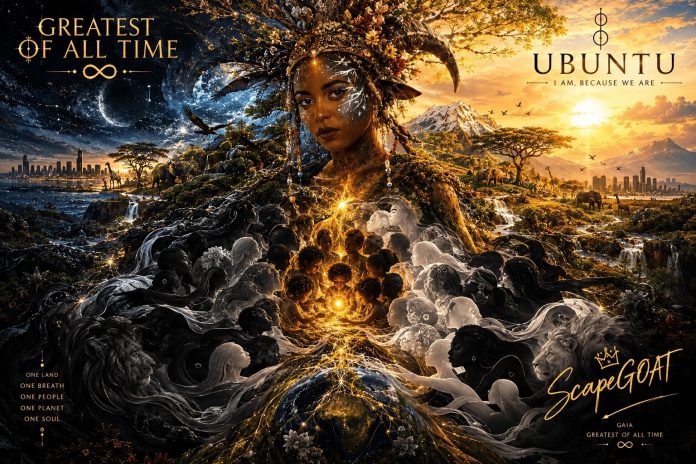
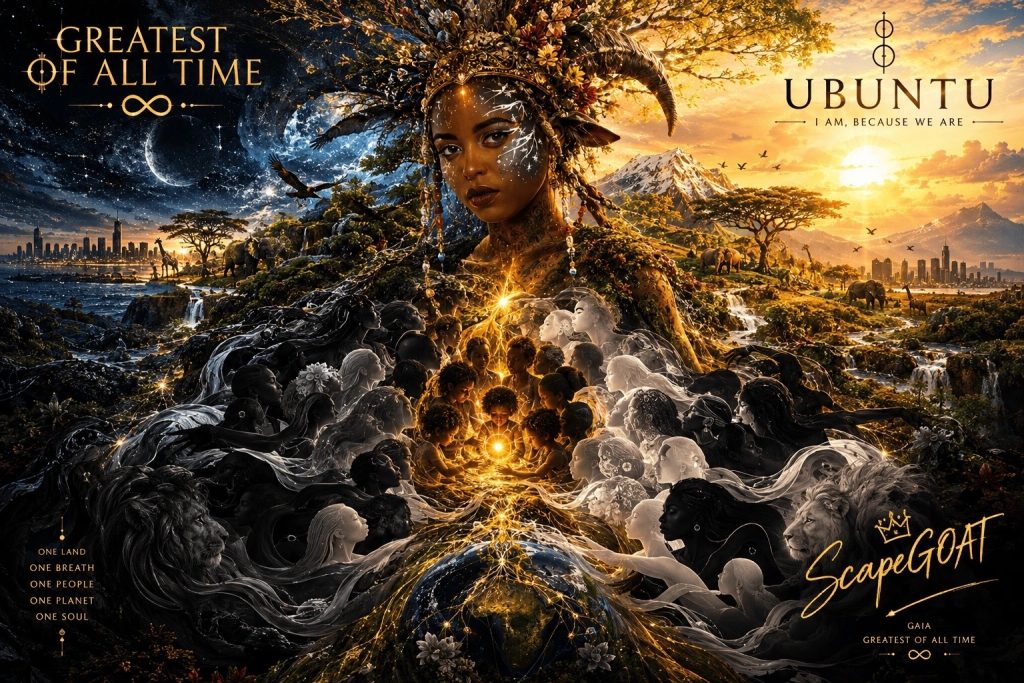
Kenyan multidisciplinary artist and creative changemaker Alvina Gachugu, who artistically and preferably goes by Madame shE³, is seeking media coverage from GhanaMedia.net as she represents Kenya in the CANEX Create-Thon 2026.
Kenyan Artist Alvina Gachugu Represents Kenya With ‘UBUNTU’
Gachugu is presenting “UBUNTU ~ I AM BECAUSE WE ARE”, a 71-second creative film exploring connection, belonging, shared humanity and the idea that separation is an illusion.
Public voting for the creative competition is currently open from 18 to 28 September 2026.
Supporters can watch the project and vote for UBUNTU through the official CANEX Create-Thon voting page. According to Gachugu, voting is free, with supporters able to share the project with their networks after voting.
The creative journey also extends beyond film. Gachugu says the song featured in UBUNTU is her own original composition, created during the competition period. The version currently heard in the film is a demo, with the song scheduled to receive a live performance on Mazingira Day, 10 October 2026.
She is expected to perform the song at the 9th Edition of Filmmakers Hangout at Nairobi Cinema from 10am. The event is free upon registration, with registration available through the official Filmmakers Hangout registration page.
Gachugu describes the project as a developing creative journey connecting music, film, performance, storytelling and creative changemaking. The broader message behind UBUNTU centres on a question she says is at the heart of the work: “What happens when we remember that we belong to one another?”
Through her outreach to media organisations, Gachugu is seeking to bring greater attention to her Kenyan representation in the African creative competition and encourage audiences to watch the work before making their voting decisions.
The story presents an opportunity to explore how African creatives are using film, music and storytelling to engage audiences around themes of identity, community, belonging and shared humanity.
Former Ghana Black Stars defender John Paintsil has joined the technical team of the Black Satellites as an assistant coach as preparations begin for next year’s Africa U-20 Cup of Nations.
John Paintsil Joins Black Satellites Technical Team
The move forms part of the Ghana Football Association’s ongoing technical restructuring, with the aim of strengthening focus and efficiency across Ghana’s various national teams.
Paintsil, who enjoyed a distinguished playing career with the Black Stars, will now bring his experience to Ghana’s U-20 setup as the team prepares for the upcoming continental competition.
The Black Satellites remain one of Ghana’s important youth national teams, and the appointment adds former international experience to the coaching structure ahead of the tournament.
According to the Ghana Football Association, Paintsil’s new role is part of broader efforts to improve the technical organisation of the national teams.
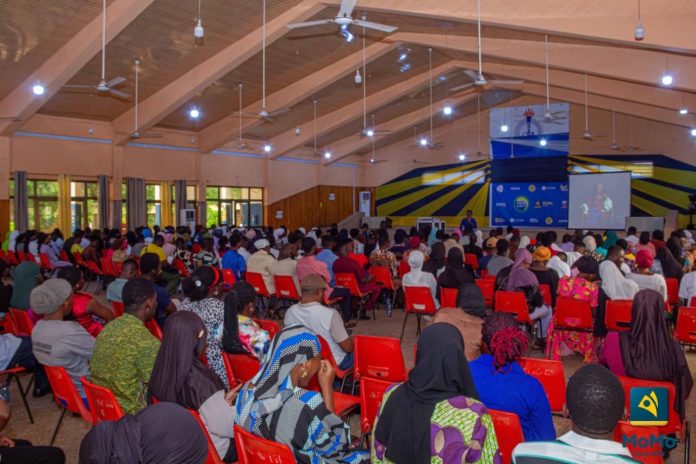
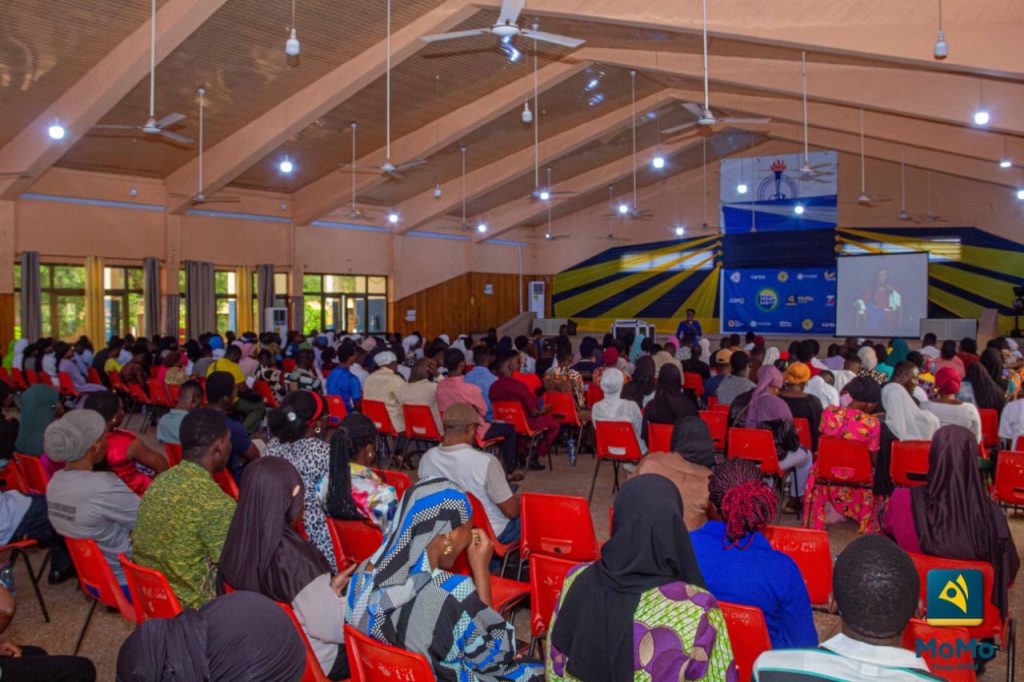
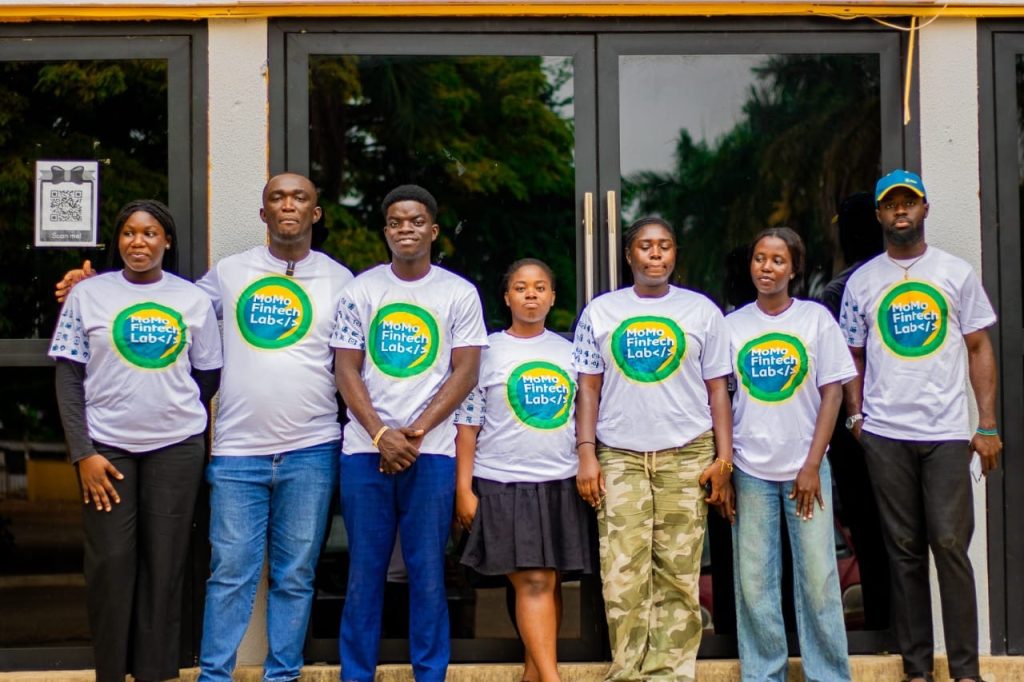
Accra, Ghana, September 21, 2026 – MobileMoney Fintech LTD (MMFL) has received over 990 entries from innovators across Ghana for the 2026 MoMo Fintech Lab, signalling strong interest in developing practical solutions for the country’s digital financial services sector. Applications remain open until September 30.
MoMo Fintech Lab Attracts Over 990 Entries from Innovators Across Ghana 16
The nationwide innovation programme identifies, mentors and supports innovators to turn technology-driven ideas into practical, commercially viable solutions that address everyday challenges, expand financial access and strengthen Ghana’s digital economy.
Of the over 990 entries received, 56 per cent fall under Everyday Payments and Financial Access, the largest of the four innovation tracks. Business and Merchant Growth Tools accounts for 17 per cent, followed by Trust, Security and Digital Identity at 15 per cent, and Future of Finance and Connected Ecosystems at 12 per cent.
The entries span different stages of development: 374 submissions (37.8 per cent) are at the concept stage, 341 (34.4 per cent) are at the idea stage, 156 (15.8 per cent) are prototypes and 119 (12.0 per cent) are minimum viable products (MVPs). Regionally, Accra accounts for 63 per cent of entries, Kumasi 26 per cent and Tamale 11 per cent.
MoMo Fintech Lab Attracts Over 990 Entries from Innovators Across Ghana 17
Commenting on the response, Shaibu Haruna, Chief ExecutiveOfficer of MobileMoney Fintech LTD, said, “The response so far is encouraging. Receiving nearly 1,000 submissions demonstrates the depth of Ghana’s innovative talent and the strong appetite to develop solutions to real-world challenges. We are particularly encouraged by ideas that seek to make payments and financial services more accessible, support businesses and merchants, and strengthen the wider digital economy. We invite more innovators to apply before the September 30 deadline and bring forward ideas with the potential to create meaningful impact.”
Following the application stage, selected applicants will take part in zonal bootcamps and hackathons in Tamale, Kumasi and Accra, where they will receive training and pitch their ideas to expert panels. Successful participants will then progress to a mentorship lab for further guidance and support to refine their solutions.
The programme will culminate in a National Demo Day, where finalists will showcase their solutions and compete for cash awards of up to GHS100,000, as well as digital devices and other support to advance their work.
Beyond the awards, selected participants will gain technical, leadership and commercialization skills, mentorship, industry exposure and access to networks designed to help them develop scalable, sustainable solutions.
Innovators can apply free of charge through the MoMo App before September 30 by following these steps:
• Download or open the MoMo App.
• Log in with your MoMo number and PIN.
• Select the MoMo Fintech Lab banner on the home page.
• Complete and submit the application form with your individual or team details.
Launched on August 12, the MoMo Fintech Lab identifies, mentors and supports innovators developing solutions that address everyday challenges and contributes to Ghana’s digital financial services ecosystem.
The programme is organised in partnership with the Bank of Ghana, with support from ecosystem partners including GCB Bank, Hubtel, appsNmobile, Zenith Bank, First National Bank, Blue Penguin, Korba, Fidelity Bank, Afrifanom (VaMiJo) and JUMO.