
img 1183

Proposed Age Limit for MPs Sparks Debate in Ghana’s Parliament

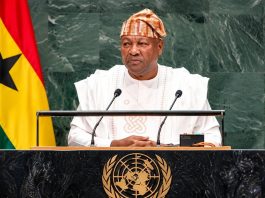
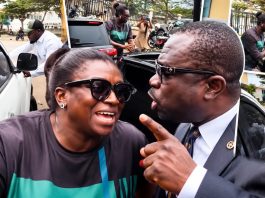
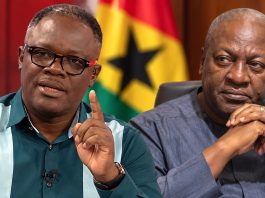
A new legislative proposal is stirring national debate after two Members of Parliament introduced a Private Members’ Bill seeking to cap the age of parliamentary aspirants at 65 years.

The proposed law, if passed, would prevent individuals above the age of 65 from contesting for parliamentary seats, marking a significant shift in Ghana’s democratic framework and eligibility criteria for public office.

Age limit for MPs Ghana
Debate intensifies over proposed age limit for parliamentary candidates in Ghana

Details of the Proposed Bill

According to the proponents, the bill is aimed at promoting generational renewal in Ghana’s political landscape and creating more opportunities for younger leaders to participate actively in governance.

The MPs argue that introducing an age cap would help align Ghana’s political system with evolving global governance trends that emphasize youth inclusion and leadership dynamism.

However, critics have raised concerns that such a law could be discriminatory and undermine the democratic rights of experienced politicians who still have the capacity to serve effectively.

Legal and Constitutional Implications

Legal experts have pointed out that the proposal could face significant constitutional hurdles, particularly regarding provisions that guarantee equal political participation and non-discrimination.

Any attempt to impose an age limit may require amendments to existing constitutional clauses, making the process both complex and politically sensitive.

The debate is expected to intensify as stakeholders, including civil society groups and constitutional lawyers, weigh in on the potential implications of the bill.

Public Reaction and Political Divide

The proposal has already triggered mixed reactions among the Ghanaian public. While some citizens support the idea as a necessary step toward youth empowerment, others see it as an attempt to sideline experienced leaders.

Political analysts say the issue could become a major talking point ahead of future elections, especially as discussions around leadership succession and generational balance continue to gain momentum.

Supporters insist that fresh perspectives are needed to address modern challenges, while opponents argue that competence—not age—should remain the key criterion for leadership.

Why This Story Matters

The proposed age cap touches on a broader global conversation about leadership, inclusivity, and democratic fairness. As Ghana continues to position itself as a stable democracy in Africa, decisions like these could shape the future of governance and political participation for decades.

The outcome of this debate will not only influence parliamentary elections but also set a precedent for how Ghana balances experience with innovation in leadership.

For more updates, follow Ghana News and Ghana News Live for continuous coverage.

img 1179

Zimbabwe State Visit: Ghana and Zimbabwe Sign 10 Landmark MoUs to Deepen Trade and Cooperation

Ghana has strengthened its diplomatic and economic ties with Zimbabwe following a three-day state visit by Zimbabwean President Emmerson Mnangagwa. The high-level visit culminated in the signing of 10 landmark Memoranda of Understanding (MoUs) aimed at boosting bilateral cooperation and advancing intra-African trade.

Ghana Zimbabwe MoUs
Ghana and Zimbabwe leaders sign landmark MoUs to deepen bilateral cooperation

The agreements span key sectors including trade, agriculture, energy, education, tourism, and investment, reflecting a renewed commitment by both nations to deepen economic integration and collaboration under the framework of the African Continental Free Trade Area (AfCFTA).

Strengthening Intra-African Trade

Officials from both Ghana and Zimbabwe emphasized the importance of strengthening trade relations within Africa, particularly at a time when the continent is pushing for economic self-reliance. The MoUs are expected to remove trade barriers, promote joint ventures, and facilitate smoother exchange of goods and services between the two countries.

The agreements align with Ghana’s broader vision of positioning itself as a gateway to Africa, supported by initiatives such as the Ghana News hub and the AfCFTA Secretariat headquartered in Accra.

Key Areas of Cooperation

The signed MoUs cover a wide range of sectors designed to drive mutual growth. In agriculture, both nations agreed to share expertise and technology to improve food security. In energy, collaboration is expected to focus on renewable energy and sustainable power solutions.

Education and cultural exchange programs were also highlighted as key pillars, aimed at fostering people-to-people connections and strengthening historical ties between the two countries.

Tourism partnerships are set to promote cross-border travel and showcase the rich cultural heritage of both nations to a global audience.

Leadership Commitment to African Unity

President Mnangagwa’s visit underscores a growing trend among African leaders to prioritize regional partnerships and economic integration. Ghana’s leadership reiterated its commitment to working closely with Zimbabwe to unlock new opportunities for businesses and citizens alike.

Both governments stressed that the agreements are not merely symbolic but will be backed by concrete implementation frameworks to ensure measurable outcomes.

Why This Story Matters

The Ghana-Zimbabwe partnership highlights a broader shift toward intra-African cooperation as countries seek to reduce reliance on external markets. With AfCFTA gaining momentum, such bilateral agreements are crucial in driving sustainable development, job creation, and economic resilience across the continent.

For more updates, visit Ghana News Live for real-time coverage of major national and international developments.

img 0951

Iran Threatens Major US Tech Firms Amid Rising Tensions with Washington and Israel

Iran has escalated its rhetoric against leading American technology companies, with the Islamic Revolutionary Guard Corps (IRGC) reportedly issuing a warning for employees of firms including Google, Nvidia, Apple, IBM, Tesla, Intel, and Cisco to vacate operations by 8pm Tehran time on Wednesday.

Iran threatens US tech companies
Logos of major US tech companies amid rising geopolitical tensions with Iran

The warning, first reported by The Hill, comes amid intensifying geopolitical tensions involving Iran, the United States, and Israel. Iranian authorities have accused these tech giants of acting as “enablers” of what they describe as coordinated American and Israeli aggression.

Escalation in Cyber and Physical Threat Landscape

The statement attributed to the IRGC signals a potentially dangerous escalation, suggesting that failure to comply could result in direct action against corporate assets linked to these companies. While the exact nature of the threat remains unclear, analysts warn it could involve cyberattacks, sabotage, or broader regional disruption targeting infrastructure tied to US firms.

This development raises alarm across the global tech ecosystem, as companies like Google and Apple play central roles in global communications, cloud computing, and consumer technology, while Nvidia and Intel are critical to semiconductor supply chains.

Global Tech Industry on Alert

Security experts say multinational corporations operating in or near volatile regions must now reassess risk exposure. Although most of the named companies have limited physical presence within Iran due to longstanding sanctions, their broader Middle East operations could face indirect threats.

Firms such as Tesla and IBM, with global infrastructure and partnerships, may also increase cybersecurity vigilance amid fears of retaliatory digital operations.

Geopolitical Context Behind the Threat

The warning comes against the backdrop of heightened hostilities in the Middle East, where Iran has repeatedly accused the United States and Israel of military and intelligence operations targeting its interests. In response, Tehran appears to be widening its scope to include economic and technological actors it perceives as strategically aligned with its adversaries.

Observers note that targeting major tech companies represents a shift in strategy—one that blends traditional geopolitical confrontation with economic and digital warfare.

Why This Story Matters

This development underscores the growing intersection between global technology infrastructure and geopolitical conflict. As tensions rise, private corporations are increasingly being drawn into state-level disputes, raising critical questions about cybersecurity, corporate neutrality, and the resilience of global digital systems.

For more global updates and in-depth analysis, visit Ghana News on GhanaMedia.net.

img 0096

Would You Vote for Zanetor Agyeman-Rawlings as Ghana’s First Female President?

A growing public conversation is emerging around the political future of Dr. Zanetor Agyeman-Rawlings, as discussions intensify about the possibility of her becoming the National Democratic Congress (NDC) flagbearer.

Zanetor Agyeman Rawlings president
Debate grows over Zanetor’s potential presidential bid

The question many Ghanaians are now asking is simple yet significant: if she contests and wins the flagbearer race, would you vote for her to become Ghana’s first female president?

Rising Profile in Ghanaian Politics

Zanetor Agyeman-Rawlings, daughter of former President Jerry John Rawlings, has steadily built her presence in Ghanaian politics. Her role in Parliament and recent developments, including reports of a potential ministerial position as highlighted in this GhanaMedia.net article, have further elevated her national profile.

Her growing influence within the NDC has sparked discussions about her long-term political ambitions.

The Possibility of a Historic Presidency

If Zanetor were to secure the NDC flagbearer position and go on to win a general election, she would make history as Ghana’s first female president.

This prospect has generated mixed reactions, with some praising the potential milestone for gender representation, while others remain focused on policy, leadership style, and political experience.

Public Opinion Divided

Across social media and public forums, opinions are split. Supporters highlight her background, composure, and leadership potential, while critics question whether she is ready for the highest office.

The debate reflects broader conversations about generational change, leadership standards, and the evolving face of Ghanaian politics.

A Question for the Nation

At its core, this is a question of public choice:

If Zanetor Agyeman-Rawlings becomes NDC flagbearer, would you vote for her as Ghana’s first female president?

Yes or No?

Why This Story Matters

This discussion goes beyond one individual. It touches on representation, political evolution, and the future direction of Ghana’s democracy.

As political dynamics continue to shift, public engagement with such questions will play a key role in shaping the country’s leadership.

Learn more about Daniel Jeddman here.

img 9986 2

Zanetor Agyeman-Rawlings Tipped as New Defence Minister as Mahama Plans Major Cabinet Reshuffle

President John Mahama is expected to name Zanetor Agyeman-Rawlings as Ghana’s next Defence Minister in the coming days, according to emerging reports from high-level government sources.


Zanetor Agyeman-Rawlings Defence Minister
Zanetor Agyeman-Rawlings set to become Defence Minister in Mahama reshuffle

The anticipated appointment forms part of a broader cabinet reshuffle aimed at removing or reassigning ministers perceived to be underperforming, as the administration seeks to regain momentum and strengthen governance delivery.

Strategic Shift in Ghana’s Security Leadership

If confirmed, Dr. Agyeman-Rawlings—Member of Parliament for Klottey Korle and daughter of former President Jerry John Rawlings—would take charge of Ghana’s defence portfolio at a critical time of evolving regional security dynamics.

Her potential elevation signals a strategic shift toward a younger, more reform-driven leadership style within Ghana’s military and security architecture.

Analysts suggest her medical background, parliamentary experience, and exposure to governance could bring a fresh perspective to national defence policy and civil-military relations.

Cabinet Reshuffle Targets Performance

Sources indicate that several ministers deemed to be underperforming may be removed or reassigned as part of the shake-up. The move is seen as a decisive effort by President Mahama to reinforce accountability and improve the efficiency of his administration.

While the full list of affected ministers has not yet been officially released, insiders say the reshuffle will prioritize results, competence, and alignment with the government’s strategic goals.

This comes amid increasing public scrutiny over governance, economic management, and national security concerns.

Political Reactions and Public Sentiment

News of Dr. Agyeman-Rawlings’ expected appointment has already sparked strong reactions across social media and political circles, with supporters hailing her as a “woman-king” and a symbol of generational leadership.

Others, however, are calling for a careful evaluation of her experience in defence and security matters, emphasizing the importance of expertise in such a sensitive role.

The development is rapidly gaining traction online, positioning it as one of the most talked-about political stories in Ghana today.

Why This Story Matters

This potential appointment goes beyond a routine cabinet reshuffle. It represents a defining moment in Ghana’s political evolution—blending legacy, youth, and leadership renewal. With security challenges rising across West Africa, the choice of Defence Minister will play a crucial role in shaping Ghana’s stability and regional influence.

Stay with GhanaMedia.net for real-time updates as this breaking story develops.

A very interesting comment from a Facebook fan. Read this powerful comment from an another loyal Facebook fan.

photo output 1 41

Reparatory Justice Resolution Will Succeed — Ablakwa Expresses Confidence Ahead of Key UN Vote

Ghana’s Minister for Foreign Affairs, Samuel Okudzeto Ablakwa, has expressed strong confidence that the upcoming United Nations vote on the reparatory justice resolution will succeed, describing it as a defining moment for historical accountability and global equity.

Reparatory justice resolution UN vote

Ghana Leads Renewed Push for Reparatory Justice

Speaking ahead of the crucial vote scheduled for March 25, 2026, Ablakwa emphasized Ghana’s commitment to championing reparatory justice for Africa and the diaspora. He noted that the resolution seeks to address the long-standing consequences of slavery, colonialism, and systemic exploitation that have shaped global inequalities.

According to the Minister, the growing international support for the initiative signals a shift in global consciousness, with more nations acknowledging the moral and historical imperative for reparations.

Building Momentum at the United Nations

The upcoming vote at the United Nations is expected to draw significant global attention, as member states deliberate on frameworks aimed at compensatory justice and structural redress. Ablakwa indicated that diplomatic engagements in recent months have strengthened Ghana’s position, with several countries pledging support.

“We are optimistic. The momentum is real, and the moral argument is undeniable,” he stated, underscoring Ghana’s leadership role in advocating for fairness and justice on the international stage.

Why This Resolution Matters

The reparatory justice resolution goes beyond financial compensation. It seeks to establish mechanisms for education, development cooperation, and institutional reforms that address the enduring legacy of historical injustices.

Experts argue that such measures could redefine global relations, fostering a more balanced and equitable international system. For many African nations, this represents an opportunity to reclaim agency and push for sustainable development rooted in justice.

Global Reactions and Expectations

While support continues to grow, the resolution is not without opposition. Some countries remain cautious about the implications of reparations, particularly regarding financial liabilities and legal precedents.

However, analysts believe the increasing advocacy from African states and civil society organizations could tip the balance in favor of adoption. The outcome of the March 25 vote is therefore seen as a critical test of global commitment to addressing historical wrongs.

What Happens Next?

If adopted, the resolution could pave the way for formal negotiations on reparatory frameworks, including funding models and international cooperation strategies. Ghana has signaled its readiness to work with global partners to ensure effective implementation.

As the world watches, Ablakwa’s confidence reflects a broader optimism across the continent that a long-awaited step toward justice may finally be within reach.

Read also about Ghana Policy & Law Hub (ACT 242): Your Guide to National Regulations.

img 9325

Ghana Moves to Declare Transatlantic Slave Trade a Crime Against Humanity at UN

GhanaMedia.net — Ghana is preparing to table a historic resolution at the United Nations to officially declare the transatlantic slave trade as the greatest crime against humanity, a move that could reshape global conversations around justice, reparations, and historical accountability.

Ghana UN slave trade resolution
Ghana pushes UN to declare slave trade a crime against humanity

A Bold Diplomatic Move

The initiative positions Ghana at the forefront of a growing international push to formally recognize the atrocities of the slave trade at the highest diplomatic level. If adopted, the resolution would not only acknowledge the scale of the injustice but also strengthen calls for reparative justice for affected communities, particularly across Africa and the diaspora.

Global Implications and Reactions

The proposal is expected to spark widespread debate among UN member states, especially in Europe and the Americas, where the legacy of the slave trade remains deeply embedded in economic and social systems. Analysts say the move could influence ongoing discussions around reparations and institutional accountability.

Ghana’s leadership in this initiative aligns with its broader foreign policy direction, which has increasingly emphasized Pan-African unity and historical redress. The country has previously positioned itself as a cultural and historical hub for the African diaspora through initiatives such as the Year of Return.

Why This Story Matters

This development goes beyond diplomacy—it represents a defining moment in how history is acknowledged on the global stage. A formal UN declaration could reshape educational narratives, influence international law discussions, and amplify long-standing demands for justice from descendants of enslaved people.

What Happens Next

The resolution is expected to be debated in upcoming UN sessions, where member states will decide whether to adopt or amend the proposal. Regardless of the outcome, Ghana’s move has already reignited global attention on one of history’s darkest chapters.

Stay with GhanaMedia.net for continuous updates on this developing international story.

photo output 5 4

Who Is Haruna Iddrisu in Ghana Politics?

Haruna Iddrisu is a prominent Ghanaian politician, lawyer and Member of Parliament for Tamale South. He is widely regarded as one of the most influential figures within the National Democratic Congress.

Who is Haruna Iddrisu
Who Haruna Iddrisu is.

Parliamentary Career

Iddrisu has served in Parliament since 2005 and has held several high-level ministerial positions in Ghana’s government.

Click HERE to Join our WhatsApp Daily News Channel 

Leadership Roles

Between 2017 and 2023 he served as Minority Leader in Parliament, leading the opposition caucus and playing a major role in national policy debates.

Ministerial Positions

Throughout his career he has served as Minister for Communications, Trade and Industry, and Employment and Labour Relations.

He currently plays a key role in education policy discussions.

Read more: Teacher Recruitment Debate in Ghana.

See also: Haruna Iddrisu and Ato Forson Policy Decision.

Technology initiatives in schools are also part of the national conversation: Google AI Education Initiative.

Feel free to also read more about us here. Learn about Ghana Policy & Law Hub (ACT 242): Your Guide to National Regulations.

photo output 4 5

Latest News on Haruna Iddrisu and His Role in Ghana’s Education Sector

Haruna Iddrisu continues to play a major role in Ghana’s political landscape as Minister for Education and Member of Parliament for Tamale South.

Latest news Haruna Iddrisu
Latest News on Haruna Iddrisu and His Role in Ghana’s Education Sector 19

Recent Policy Discussions

Education reforms remain a central focus of government policy, particularly around teacher recruitment and education funding.

Recent reports indicate Ghana may require nearly 98,000 teachers to address shortages across the country. Read more: Ghana Needs 98,000 Teachers.

Teacher Recruitment and Financial Clearance

Discussions around financial clearance for teacher recruitment have also gained national attention.

Details here: Haruna Iddrisu and Ato Forson Approve Financial Clearance for Teachers.

Technology and AI in Ghanaian Education

New education technology initiatives are also emerging in Ghana.

See: Google Launches AI Education Tools in Twi, Ewe and Dagbani.

Also read: Haruna Iddrisu Net Worth 2026: Wealth, Businesses and Political Influence.

These developments show how Ghana’s education sector continues to evolve under current reforms.

img 9093

Haruna Iddrisu Net Worth 2026: Wealth, Businesses and Political Influence

Haruna Iddrisu is considered one of Ghana’s wealthiest politicians, having built influence through politics, law, and business investments over several decades.

Estimated Net Worth in 2026

Estimates of Haruna Iddrisu’s wealth vary widely across sources. Some reports place his net worth between $30 million and over $300 million depending on asset valuations and business holdings.

Haruna Iddrisu net worth 2026
Haruna Iddrisu Net Worth 2026: Wealth, Businesses and Political Influence 22

His wealth is believed to come from investments in real estate, construction companies, fuel stations, and other business ventures.

Business Interests

Beyond politics, Iddrisu is involved in several business ventures. He also owns football clubs including Steadfast FC and Karela United, reflecting his interest in sports development in Ghana.

Political Career and Earnings

His long career in politics includes positions such as Minister for Communications, Trade and Industry, and Employment and Labour Relations.

These roles have given him significant influence within Ghana’s political landscape.

Influence in Education Policy

As Education Minister, Iddrisu has been involved in major discussions around teacher recruitment and education reforms.

Read more: Ghana Needs 98,000 Teachers as Recruitment Planned in Phases.

See also: Haruna Iddrisu and Ato Forson Grant Financial Clearance for Teachers.

Technology in education is also gaining attention in Ghana. Learn more: Google Introduces AI Education Tools in Ghanaian Languages.