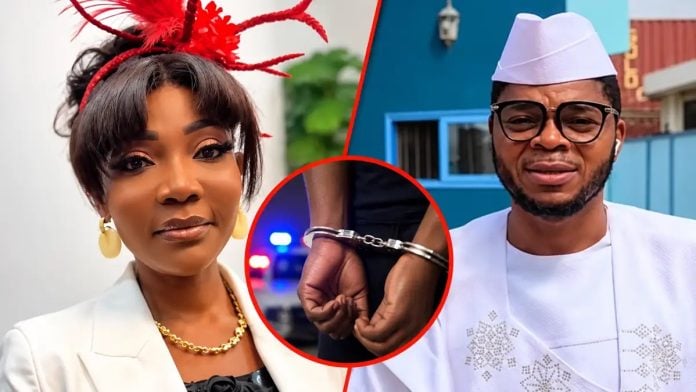
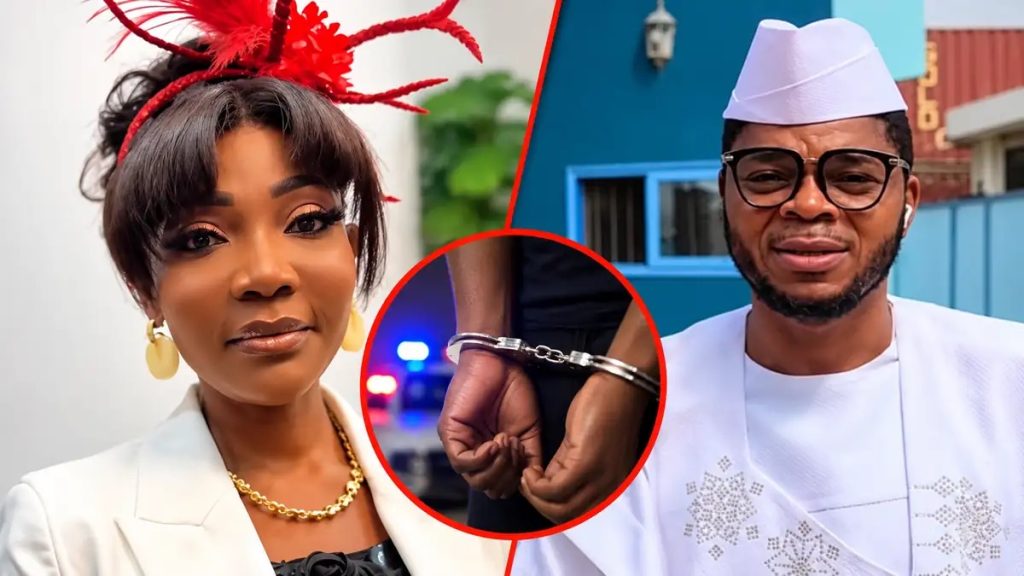
Social media posts claiming that Bishop Daniel Obinim has been arrested over an alleged attempt to set gospel musician Florence Obinim ablaze have circulated online. However, Ghana Media could not independently verify the arrest claim or establish that the alleged attempted attack occurred.
The posts have emerged amid a widely reported marital dispute between the founder of the International God’s Way Church and Florence Obinim. Recent media reports have covered statements attributed to both sides concerning their relationship, but those reports do not independently substantiate the separate allegation of an attempted arson attack.
Stay Updated With Ghana Media
Get breaking Ghana news, exclusive stories and important updates directly on WhatsApp.JOIN OUR WHATSAPP CHANNEL
Ghana Media’s searches did not locate a credible police statement or reliable news report confirming that Obinim had been arrested in connection with an alleged attempt to burn Florence. The circulating posts should therefore not be treated as proof of an arrest or of criminal wrongdoing.
Obinim has been arrested in the past. In May 2020, he was arrested and charged in a case involving allegations of publishing false news and forgery. Police at the time also clarified that a video circulating on social media was unrelated to that arrest. That historical case does not verify the new claim circulating online.
For now, the claim about an alleged attempt to set Florence ablaze remains unverified. Any future report should be based on an official police statement, court records or independently corroborated reporting rather than social media captions alone.
Read more on GhanaMedia.net.
Ghana Media will update this report if credible evidence or an official statement becomes available. Readers are encouraged to check claims carefully before sharing allegations that could seriously affect the reputations and safety of those involved.
A 37-year-old man, identified in contemporary media reports as Yaw Asare, allegedly shot and killed his 28-year-old ex-wife, Abena Agatha, before turning the gun on himself at Akyem Hweakwae in the Birim North District of Ghana’s Eastern Region. The incident occurred on Thursday, July 8, 2021, according to a report by Starr FM.
Man Shoots Ex-Wife, Himself in Akyem Hweakwae in 2021 4
Reports indicated that Asare invited his former wife to his room at about 10:00 a.m. before allegedly shooting her in the chest with a single-barrel gun. Police were subsequently informed of the incident, prompting officers and detectives to visit the scene.
Stay Updated With Ghana Media
Get breaking Ghana news, exclusive stories and important updates directly on WhatsApp.JOIN OUR WHATSAPP CHANNEL
The Eastern Regional Police Command’s public relations officer at the time, DSP Ebenezer Tetteh, told Starr FM that police received information about the incident at approximately 11:20 a.m. Detectives who visited the scene reportedly found both individuals dead in the room.
Police reportedly found a single-barrel gun and a spent shell near the bodies. The weapon was expected to undergo ballistic examination as part of the investigation, while the bodies were conveyed to hospital and later transferred to a mortuary for preservation and autopsy.
Authorities had not established the exact circumstances behind the shooting in the initial reports. The case was reported in July 2021 and should not be mistaken for a newly occurring incident merely because footage or screenshots are circulating again online.
Read more on GhanaMedia.net.
The incident also underscores the importance of taking threats and domestic abuse seriously. Anyone facing violence or credible threats should seek help from the police or the Domestic Violence and Victim Support Unit (DOVVSU).
Associé à Armel Production et présenté comme le responsable du label AP MUSIC, Armel Helegbe s’inscrit dans l’univers de la production musicale au Togo. Son parcours est notamment lié à celui du rappeur Prince Mo, dont la carrière a connu une étape importante avec la signature d’un contrat auprès de la structure en 2015.
Armel Helegbe : un parcours lié à la production du rap togolais 9
Dans l’industrie musicale, les artistes occupent souvent le devant de la scène, mais leur évolution repose également sur le travail des producteurs, des managers et des professionnels qui accompagnent leurs projets. À travers ses activités dans la production, Armel Helegbe illustre le rôle de ces acteurs dans le développement de la scène urbaine togolaise.
Armel Production, une structure présente dans le paysage musical togolais
Armel Production figure dans l’annuaire professionnel de Music In Africa. Publiée en mars 2016, sa fiche situe la structure à Lomé et la présente comme une maison de production spécialisée dans la gestion de carrière d’artistes togolais. Cette référence constitue une trace documentée de son activité dans le secteur musical national.
Armel Helegbe : un parcours lié à la production du rap togolais 10
La gestion de carrière représente un volet important de l’industrie musicale. Au-delà de l’enregistrement et de la sortie des morceaux, elle peut englober l’accompagnement artistique, la planification des projets et la recherche d’opportunités permettant aux artistes de développer leur visibilité.
Prince Mo, une collaboration marquante en 2015
La collaboration entre Armel Production et Prince Mo constitue l’un des éléments les plus documentés du parcours de la structure. Selon la fiche publiée par Music In Africa, le rappeur a signé avec Armel Production en 2015, année au cours de laquelle il a remporté le prix du meilleur artiste hip-hop aux All Music Awards.
Armel Helegbe : un parcours lié à la production du rap togolais 11
La même présentation mentionne également des collaborations avec Fuga Boy et Cyntish, deux artistes associés à la scène rap togolaise. Ces références illustrent les liens de la structure avec plusieurs acteurs de la musique urbaine au Togo.
AP MUSIC et les évolutions de la production musicale
Des publications de Zik de Partout présentent aujourd’hui Armel Helegbe comme le responsable d’AP MUSIC et le décrivent comme l’ancien producteur de Prince Mo. Elles évoquent également la signature d’un contrat de distribution musicale, sans fournir de précisions détaillées sur les parties concernées, la durée de l’accord ou ses modalités.
Ces informations invitent à distinguer les éléments historiques documentés des annonces plus récentes dont les détails restent limités. Dans un secteur en constante évolution, les contrats de distribution peuvent constituer un levier pour organiser la diffusion des œuvres et élargir leur accès aux plateformes et aux publics.
Le rôle des producteurs dans la scène urbaine togolaise
Le parcours associé à Armel Helegbe met en lumière une dimension essentielle de l’industrie musicale : le travail réalisé en coulisses. Les producteurs et les structures d’accompagnement contribuent à organiser les projets, à soutenir les artistes et à créer des conditions favorables à la diffusion de leur musique.
Armel Helegbe : un parcours lié à la production du rap togolais 12
Alors que le rap togolais poursuit son évolution, l’histoire de structures comme Armel Production rappelle que le développement d’une scène musicale ne dépend pas uniquement des interprètes. Il repose aussi sur les professionnels qui participent à la structuration des carrières et à la circulation des œuvres.
Pourquoi cette histoire compte
Le parcours d’Armel Helegbe permet de revenir sur le rôle des producteurs dans la construction de la musique urbaine togolaise. La collaboration documentée avec Prince Mo en 2015, ainsi que les références à Fuga Boy et Cyntish, offrent des points de repère pour comprendre les réseaux professionnels qui accompagnent les artistes au Togo.
Read more on GhanaMedia.net. Retrouvez également nos actualités du Ghana, suivez les dernières informations dans Ghana News Live et consultez nos Top Stories pour découvrir d’autres sujets d’actualité.
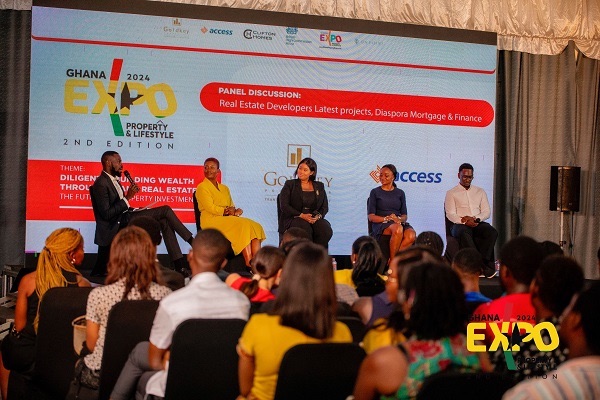
The Ghana Property & Lifestyle Expo will celebrate its 10th anniversary with a landmark two-day event in London, bringing together property developers, financial institutions, legal experts, investors and African-owned lifestyle brands to showcase opportunities in Ghana to the diaspora.
Ghana Property & Lifestyle Expo Marks 10 Years in London 16
Scheduled for Friday, October 16, and Saturday, October 17, 2026, the free event will take place at the Business Design Centre in Islington under the theme, “A Decade of Impact: Bridging Continents, Building Futures.” Organised in collaboration with the Ghana High Commission UK, the anniversary edition is expected to feature 44 exhibitors and 16 expert speakers.
Ghana Property & Lifestyle Expo Marks 10 Years in London 17
The event aims to help diaspora communities make informed decisions about property ownership, investment, banking, business development and lifestyle opportunities in Ghana. Visitors will have opportunities to engage directly with developers, financial institutions, legal practitioners and other specialists.
Expo Co-Founders Reflect on a Decade of Impact
Co-founders Anna Agyekum and Victoria Agyekum said the platform was established a decade ago to give members of the diaspora direct access to credible organisations and help them make informed decisions about Ghana.
Ghana Property & Lifestyle Expo Marks 10 Years in London 18
They said the anniversary would celebrate the platform’s progress while opening a new chapter in property, finance, business, culture and lifestyle.
Over the years, the Expo has positioned itself as a meeting point for people seeking to strengthen their connections with Ghana, whether through residential property, investment opportunities, entrepreneurship or cultural engagement.
The 2026 edition will build on that mission by bringing a broader range of exhibitors and industry professionals together under one roof.
Property Investment, Finance and Legal Expertise
The programme will feature keynote addresses, fireside conversations, expert panels and audience question-and-answer sessions, with discussions beginning from 11:00am each day.
Key subjects will include Ghana’s real estate market, diaspora banking, property finance, cross-border funding, legal due diligence, business development and market intelligence. Speakers will also address practical considerations for diaspora buyers navigating property transactions and investments in Ghana.
A special keynote from Goldkey Properties will examine the company’s decade-long relationship with the Expo and the growing importance of diaspora clients to Ghana’s property industry.
Featured speakers include Charles Addo, Director of Personal and Private Banking at Absa Bank Ghana; Joshua Nkrumah, CEO of Jolly Homes; Nelly Gbogboe, Head of Sales at Landmark Homes; Michael Kyei-Ayensu, Founder and Director of Jacob West; Emmanuel Mate-Kole, Managing Partner at M&O Law Consult; Henry Asenso, Founder of Kuro Africa Analytics; and Anthony Lindsay, a UK mortgage specialist.
Official guests and contributors are expected to include Ghana’s High Commissioner to the United Kingdom and Ireland, H.E. Mrs Sabah Zita Benson; the Worshipful the Mayor of Islington, Councillor Rosaline Ogunro; and Diana Afriyie Addo, Head of Trade and Investment at the Ghana High Commission UK and Ireland.
Expanded Lifestyle Pavilion to Showcase African-Owned Brands
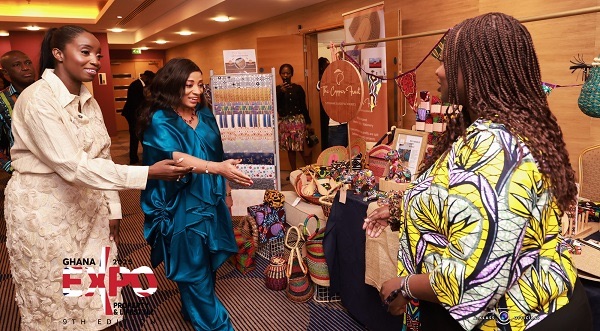
Beyond property and investment, the anniversary edition will feature an expanded Lifestyle Pavilion showcasing African-owned businesses across fashion, beauty, wellness, food and drink, interior design, tourism, gifts and cultural products.
Curated in collaboration with Go Africa Community Hub, the Pavilion will provide a platform for businesses to reach new audiences while presenting visitors with a broader picture of contemporary Ghanaian and African lifestyles.
Saturday’s programme will also feature a fireside conversation with Akua Kufuor, founder of Akvance and creator of Countdown Africa. The discussion will explore how destination marketing, cultural storytelling and experiential platforms can strengthen Ghana’s international profile.
Complimentary NoireFitFest fitness and wellness sessions, led by founder Lorraine Russell, are scheduled for 5:00pm on both days in the Experience Room, subject to capacity.
Ghana Card Services and Practical Support for Visitors
The National Identification Authority will be present to assist eligible visitors with Ghana Card services.
Prospective applicants are encouraged to complete the required pre-registration before attending and bring the relevant supporting documents to facilitate the process.
The event will also provide networking opportunities and investment clinics, allowing attendees to explore questions surrounding property purchases, financing arrangements and cross-border business activities.
Absa Bank Ghana, Jolly Homes and Other Major Sponsors
The 10th anniversary London edition is sponsored by Absa Bank Ghana, Jolly Homes Ghana, Landmark Homes and Clifton Homes.
Absa Bank Ghana will serve as the Official Banking Partner, contributing expertise in diaspora banking and property finance. Jolly Homes, Landmark Homes and Clifton Homes will showcase residential property opportunities and participate in discussions about Ghana’s real estate market.
The Expo is being delivered in collaboration with the Ghana High Commission UK, with additional support from Go Africa Community Hub, which is curating the Lifestyle Pavilion, and BoConcept, the event’s furniture partner.
The participation of financial institutions, property developers and other industry stakeholders is intended to give prospective investors access to practical information and professional guidance before making important decisions.
How to Attend the Ghana Property & Lifestyle Expo 2026
The Ghana Property & Lifestyle Expo 2026 will take place from 10:00am to 6:00pm on Friday, October 16, and Saturday, October 17, at the Business Design Centre, 52 Upper Street, Islington, London N1 0QH.
Admission is free, although advance registration is strongly encouraged.
Visitors can expect direct engagement with Ghanaian property developers and advisers, guidance on mortgages and legal due diligence, opportunities to connect with African-owned businesses, cultural experiences and access to selected Ghana Card services for eligible, pre-registered applicants.
As the Expo celebrates its first decade, the anniversary edition seeks to strengthen links between Ghana and its diaspora while encouraging informed investment, entrepreneurship and cultural exchange.
For registration and further information, visit ghanapropertyexpo.com.
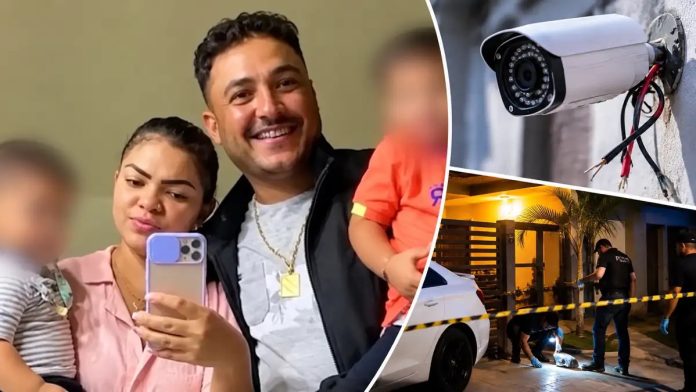
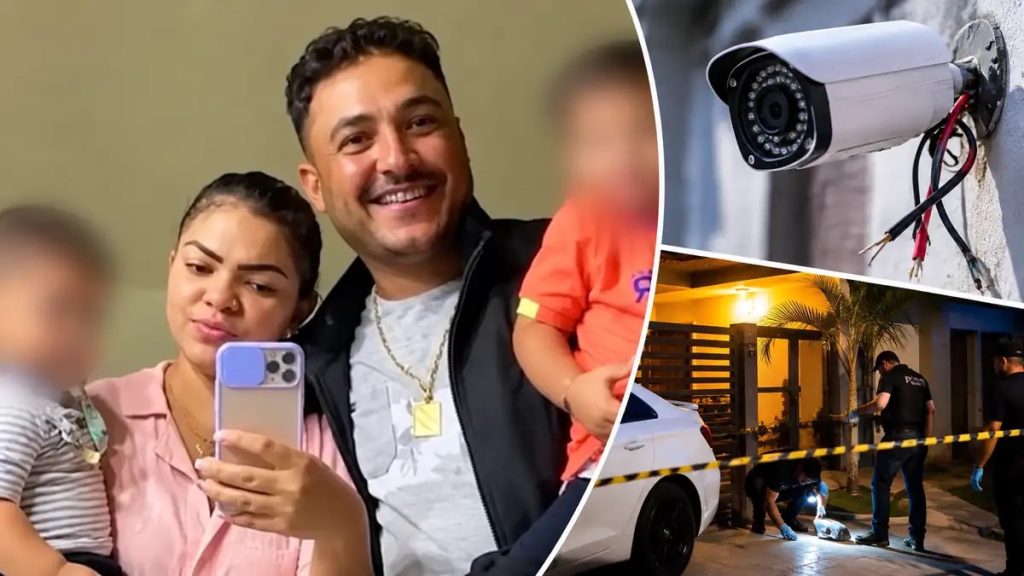
A woman in Brazil was arrested after investigators reportedly uncovered security-camera footage linking her to the fatal shooting of her husband at their home in Luís Eduardo Magalhães, a municipality in the state of Bahia. The case drew attention after the woman allegedly cut the cables connected to the home’s CCTV system, apparently believing the move would prevent investigators from recovering evidence.
Wife Cut CCTV Cables, but Footage Exposed Brazil Killing Plot 20
The victim, 40-year-old José Vicente de Cerqueira Sena, was taking a shower when an armed man allegedly entered the house and opened fire. Reports say some shots initially missed him, allowing him to flee outside and attempt to escape. He was pursued and later struck by gunfire. He was taken for medical treatment but died from his injuries.
Stay Updated With Ghana Media
Get breaking Ghana news, exclusive stories and important updates directly on WhatsApp.JOIN OUR WHATSAPP CHANNEL
According to Brazilian media reports, investigators reviewed footage recovered from the home’s recording equipment after the woman handed it over. The recordings reportedly showed her opening the gate for the gunman and indicating where her husband was inside the property. Although the camera cables had been cut, the recordings remained available on the system.
Investigators reportedly suspected the woman’s account of events and later arrested her on suspicion of involvement in the killing. Reports cited financial disagreements between the couple as a possible motive. The woman was also reported to have claimed that her husband had threatened her. Those claims and the alleged motive should be understood as reported details of the investigation, not independent proof of what happened between the couple.
The case highlights how cutting power or camera cables does not necessarily erase surveillance recordings. Depending on the system, footage may remain stored on a recording device or other storage medium. In this case, Brazilian reports said the recordings helped investigators reconstruct the events and challenge the initial account given to police.
Read more on GhanaMedia.net.
The investigation was reported in September 2023 in Luís Eduardo Magalhães, western Bahia. The case remains a reminder that digital evidence can be crucial in serious criminal investigations, even when someone attempts to disable a security system.
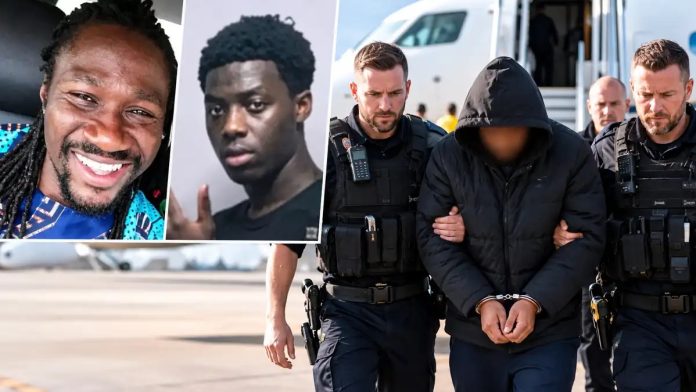
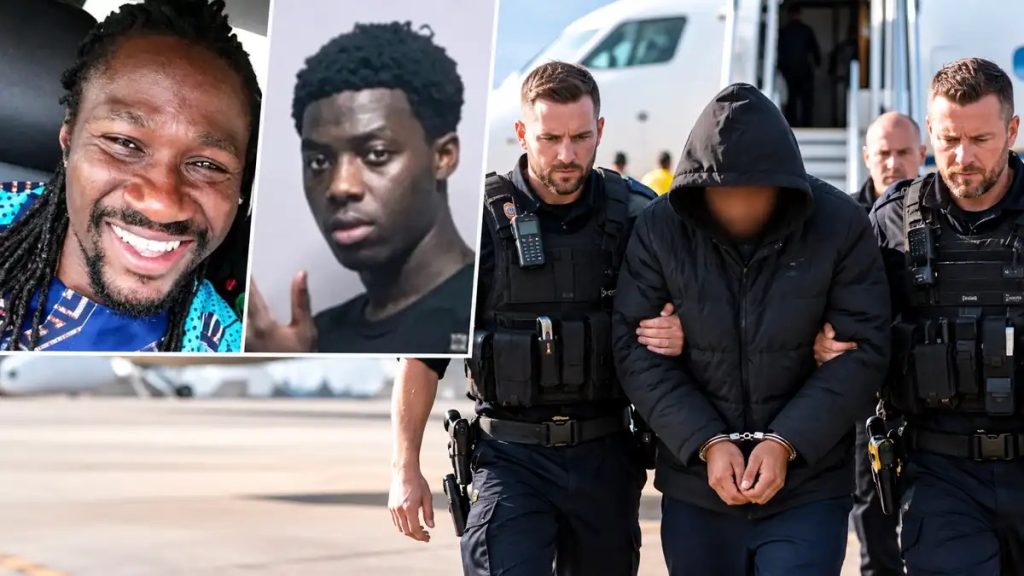
A 36-year-old man has been arrested on suspicion of murder following his return to the United Kingdom from Turkey in connection with the 2020 double shooting that claimed the lives of Junior Ajose and Cheriff Tall in Manchester.
Man Arrested After Turkey Detention Over 2020 Manchester Double Shooting 22
Greater Manchester Police (GMP) said the suspect was detained in Turkey and transported back to England on Saturday, October 10, 2026. He was met by police officers at Stansted Airport and arrested as detectives continued their investigation into the killings, which occurred more than six years ago.
Stay Updated With Ghana Media
Get breaking Ghana news, exclusive stories and important updates directly on WhatsApp.JOIN OUR WHATSAPP CHANNEL
The case concerns the fatal shootings of 36-year-old Abayomi “Junior” Ajose and 21-year-old Cheriff Tall in the early hours of June 21, 2020, in a car park off Caythorpe Street in Moss Side, Manchester.
Police said the two men were shot during the incident and later died. The killings triggered a major investigation, with detectives carrying out enquiries, reviewing evidence and appealing for information from people who may have witnessed the events.
The latest arrest marks a significant development in the long-running investigation. However, the suspect has been arrested on suspicion of murder, and the arrest itself does not establish guilt. Any criminal responsibility must be determined through the legal process.
Detectives continue to believe that members of the public may hold information that could help establish what happened and identify those responsible. Police have renewed their appeal for anyone with relevant information, photographs or video footage from the night to come forward.
The deaths of Ajose and Tall left their families seeking answers, while the case remained under investigation for more than six years. The latest development brings renewed attention to the work of investigators and the continuing effort to secure justice for the victims.
GMP has urged anyone with information to contact the force or provide information anonymously through Crimestoppers. People who attended the gathering or may have recorded footage are encouraged to share relevant material with investigators.
Cocoa farmers and traditional leaders in Ghana’s Ashanti Region have welcomed the Ghana Cocoa Board Act, 2026 (Act 1182), while calling for improved agricultural support, greater transparency and faster implementation of welfare initiatives.
Ashanti cocoa farmers welcome the new COCOBOD Act and call for better support and transparency.
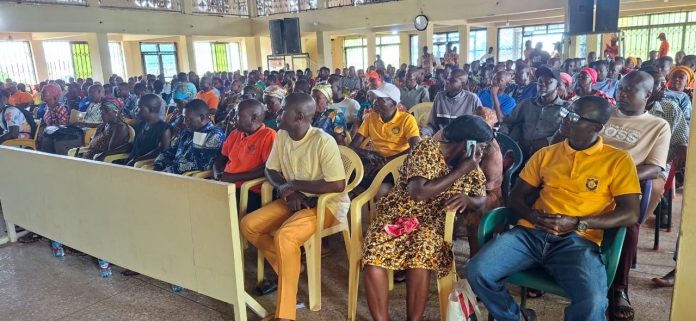
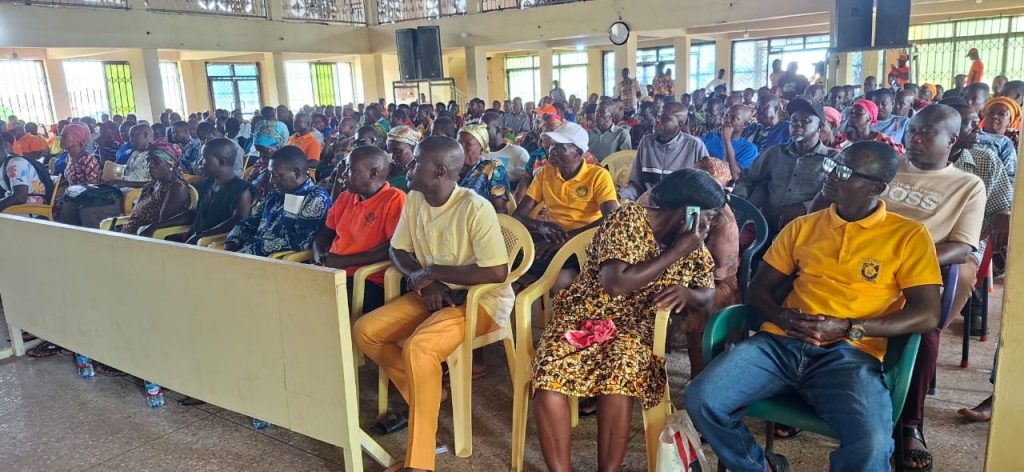
Their views emerged during the first phase of stakeholder engagements organised by the Ghana Cocoa Board (COCOBOD), in collaboration with the Cocoa Health and Extension Division (CHED), across seven cocoa-growing districts in the region.
The engagements covered Offinso, Kyerayaso, Toase, New Edubiase, Kuntenase, Kona and Juansa. They provided a platform for farmers and traditional leaders to discuss the new legislation, the producer price determination process and interventions aimed at improving productivity and strengthening farmers’ livelihoods.
Although some participants had initially expected a higher producer price for the new cocoa season, they said explanations of the factors underpinning the announced price had helped them better understand the decision and the economic considerations facing the cocoa sector.
Ashanti Cocoa Farmers Back New COCOBOD Act, Demand Support 25
The discussions highlighted the importance of sustained dialogue between COCOBOD and farmers in building trust and improving understanding of policies affecting Ghana’s cocoa industry.
Farmers Welcome Reforms Under New Cocoa Board Act
Participants welcomed reforms introduced under the new Cocoa Board Act and called for sustained public education to deepen farmers’ understanding of the legislation, particularly provisions aimed at protecting cocoa-growing communities and farmlands from destructive activities, including illegal mining and unauthorised sand winning.
They also urged stakeholders to support the depoliticisation of cocoa-related issues, stressing the need for a unified, long-term approach to managing the sector in the national interest.
COCOBOD Urged to Improve Distribution of Farm Inputs
Farmers called for improvements in the distribution of free agricultural inputs, particularly fertilisers and other essential supplies, to ensure that beneficiaries receive them in adequate quantities and at the appropriate time.
They further appealed for the speedy implementation of the proposed Farmer Pension Scheme, describing it as an important step towards improving the long-term welfare and financial security of cocoa farmers.
Participants also emphasised the need for transparency in administering the cocoa tertiary education scholarship scheme to promote fairness, accountability and equitable access for eligible beneficiaries.
COCOBOD to Submit Farmers’ Concerns to Management
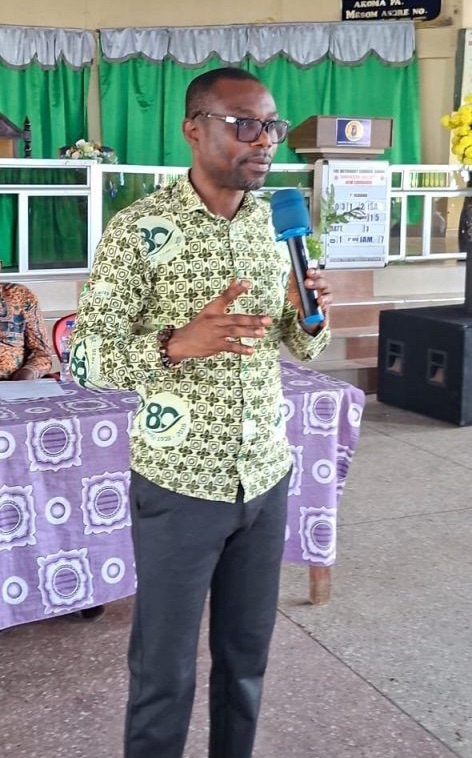
Leading the COCOBOD delegation, Deputy Head of Public Affairs Benjamin Larweh underscored the importance of keeping farmers informed and actively involved in discussions on policies and decisions that directly affect their livelihoods.
He said the engagements reflected COCOBOD’s commitment to open communication, stakeholder participation and a shared understanding of the reforms and interventions required to sustain Ghana’s cocoa industry.
Mr Larweh noted that constructive engagement was essential to strengthening trust between the Board and farmers. He added that the concerns and recommendations raised during the sessions would be submitted to Management for consideration.
Ashanti Regional Manager of CHED Isaac Adu also announced plans for further engagements with farmers on the distribution of fertilisers and other agricultural inputs, as well as the mass spraying exercise under the Cocoa Diseases and Pests Control Programme (CODAPEC).
National Engagement Programme to Continue
The completion of the Ashanti phase marks the first stage of a wider national engagement programme designed to bring COCOBOD’s policies and interventions closer to cocoa farmers and other industry stakeholders.
The issues raised during the engagements underline farmers’ expectations for timely agricultural inputs, improved welfare protections, transparent scholarship administration and continued public education on the new legislation.
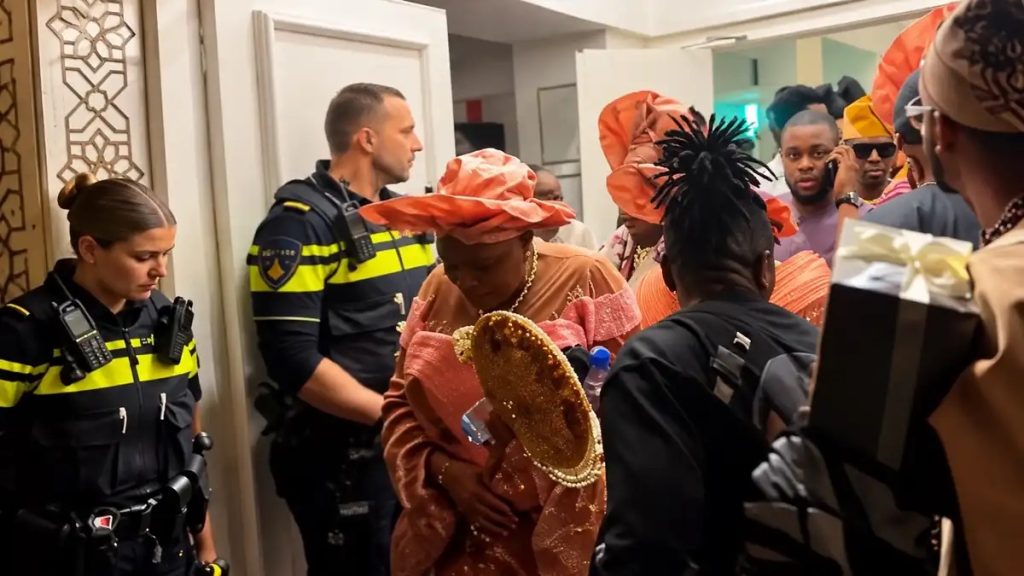
A video showing Dutch police officers interrupting a Nigerian wedding celebration in the Netherlands has sparked debate online about noise regulations, cultural celebrations and the treatment of African communities abroad.
Video of a Nigerian wedding interrupted by Dutch police sparks debate over noise complaints and fairness.
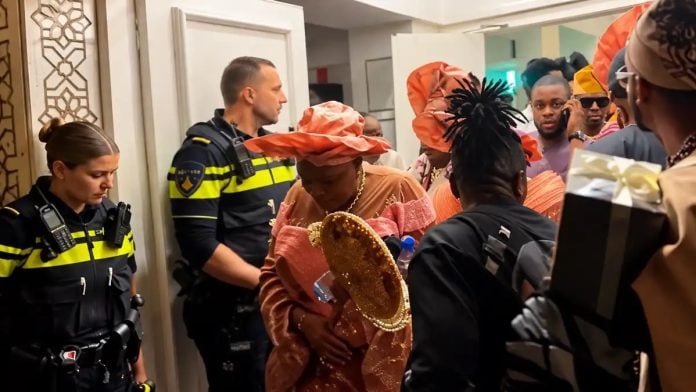
Footage circulating on social media shows officers in high-visibility uniforms inside a decorated wedding venue as guests dressed in traditional Nigerian outfits gather nearby. Reports published on October 11 and 12, 2026, say the music was stopped and guests were instructed to leave the hall following complaints about excessive noise. The precise location and full circumstances of the incident remain unclear.
Stay Updated With Ghana Media
Get breaking Ghana news, exclusive stories and important updates directly on WhatsApp.JOIN OUR WHATSAPP CHANNEL
The intervention has drawn mixed reactions, with some social media users arguing that event organisers must comply with local noise rules, while others have questioned whether the response was proportionate and whether all groups are treated equally.
The circulating footage captures police officers in high-visibility jackets speaking with people inside the venue as guests in colourful traditional clothing stand nearby. The images appear to show the celebration being interrupted, although the video alone does not establish what happened before officers arrived or what instructions organisers may have received.
A report by Peoples Gazette said a voice heard in the footage alleged that the guests were being treated unfairly because they were Black. The statement reflects a claim made in the recording and does not, by itself, establish that the police action was racially motivated.
Another report published after the video began circulating said a wedding attendee had raised concerns about possible unequal treatment in the building. That allegation has not been independently verified, and the available reporting does not establish whether another event was permitted to continue under comparable circumstances.
Noise rules and event responsibilities
Noise complaints can be handled by Dutch police and local authorities, including in relation to businesses, hospitality venues and events. Official Dutch police guidance recognises noise nuisance as an issue that can be reported, while event organisers may need to comply with local requirements and the conditions attached to a venue or event permit.
However, the exact rules applicable to this particular wedding, including any permitted finishing time, sound restrictions or prior warnings, have not been established in the available reports. It is therefore not possible to determine from the video alone whether the organisers breached a specific condition or whether the police response followed an earlier enforcement process.
Online debate over fairness and cultural expression
The incident has prompted discussion among Nigerians and other social media users about the balance between celebrating important cultural occasions and respecting the rules governing shared spaces. Some commenters have emphasised the need for event organisers to understand local requirements, while others have questioned whether the intervention was handled fairly.
Wedding celebrations can be important family and community gatherings, particularly for diaspora communities whose relatives may travel across countries to attend. At the same time, venues and organisers are expected to consider neighbours, sound limits and any applicable event conditions.
As of publication, the reports reviewed by Ghana Media do not establish a complete official account of the incident or provide verified details about the venue, any formal sanctions or the organisers’ response. The allegation of discriminatory treatment also remains unverified.
The incident has renewed questions about how authorities communicate and enforce event rules, and why clear information about the circumstances surrounding such interventions matters before conclusions are drawn.
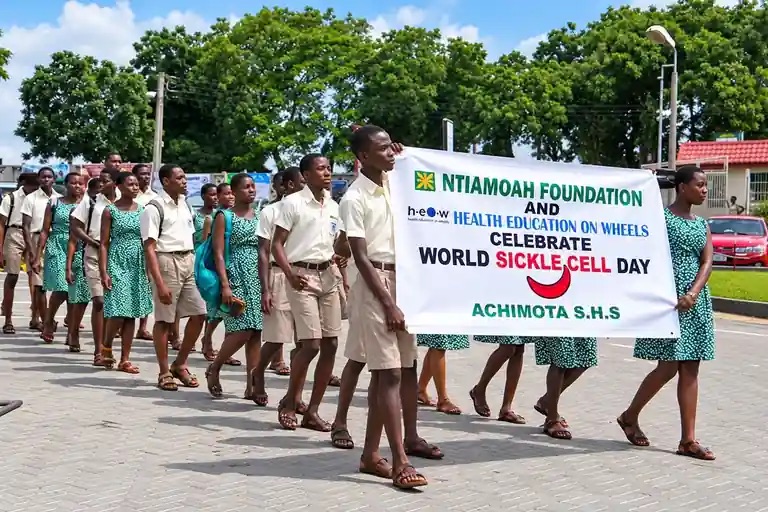
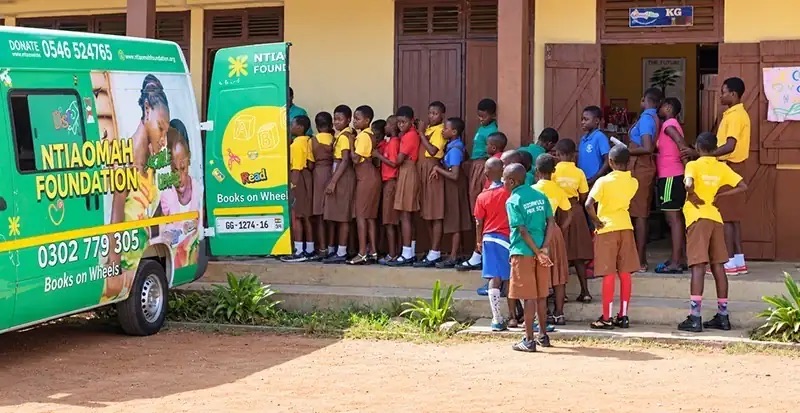
Ntiamoah Foundation has launched BEYOND 20: From Impact to Legacy, a year-long anniversary campaign celebrating two decades of work in education, healthcare and community development while outlining new initiatives designed to support future generations.
Established in 2006 by entrepreneur Robert Kwaku Appiah Asante, also known as R.K.A. Asante, the Ghanaian non-profit says it has invested more than GH¢23 million in today’s value in programmes supporting underserved communities, particularly in the Birim North and Birim South districts of the Eastern Region.
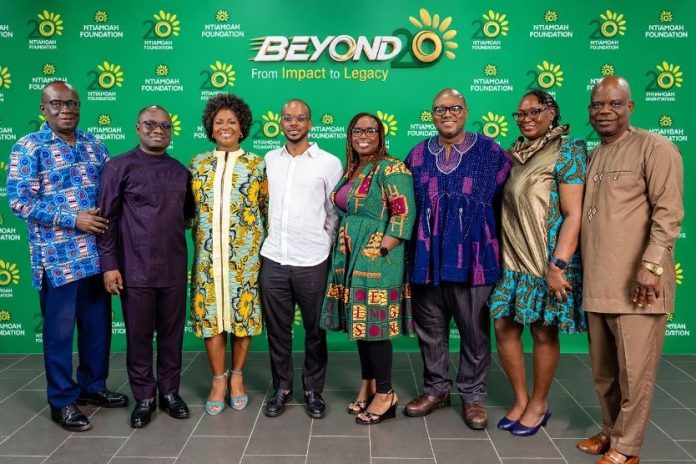
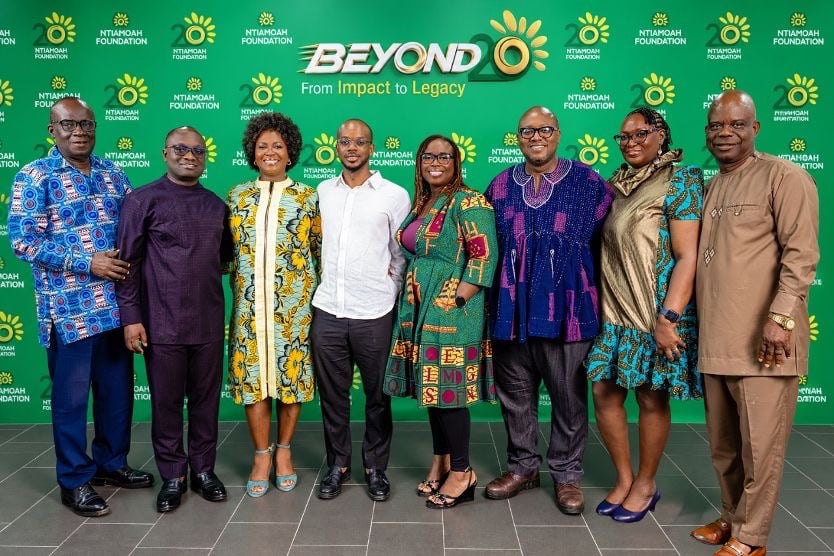
Board Directors of Ntiamoah Foundation. L-R: Bennett Nyarko, Hans Gyimah-Gyamfi, Julia Asante Anim, Kenneth Owusu, Mercy Quansah Ansah, Dr. Kojo Asante, Dinah Asante and Phillip Akwasi Buabeng
Stay Updated With Ghana Media
Get breaking Ghana news, exclusive stories and important updates directly on WhatsApp.JOIN OUR WHATSAPP CHANNEL
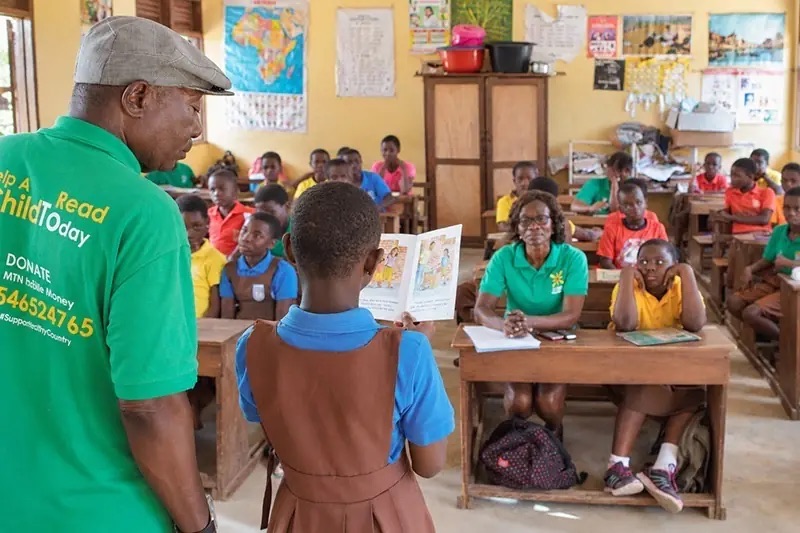
According to the Foundation, its programmes have supported 34 schools and nearly 6,500 young readers, strengthened 14 Community-based Health Planning and Services (CHPS) facilities, supported 436 surgeries and reached more than 8,000 girls through menstrual health initiatives. Its wider interventions include early childhood literacy, reading clubs, libraries, ICT education, scholarships, maternal health support and community outreach.
Ntiamoah Foundation launches BEYOND 20 to build on two decades of education, healthcare and community development.
Launching the campaign, Executive Director Mercy Quansah-Ansah said the anniversary was an opportunity to reflect on the organisation’s achievements while building systems that could continue improving lives well into the future.
“Twenty years gives us much to celebrate, but BEYOND 20 is also about asking what we can put in place today that will still be changing lives twenty years from now. For us, that is the shift from impact to legacy: creating opportunities today that can continue to transform lives for generations to come.”
The Foundation has also unveiled a 20th-anniversary identity and redesigned website intended to share impact stories, programme updates, anniversary activities and opportunities for individuals and organisations to support its work.
Ntiamoah Foundation Launches BEYOND 20 Anniversary Campaign 32
Three flagship initiatives to shape the next chapter
As part of BEYOND 20, the Foundation plans to continue its existing education and health programmes while introducing three flagship initiatives aimed at making its work more sustainable over the long term.
Program B.E.A.M. is set to become its flagship education model. It will bring together literacy, life skills, creativity, digital learning, leadership and community support to help develop confident, ethical and future-ready young people. The programme builds on the organisation’s existing work with reading clubs, libraries, ICT and other educational interventions.
The second initiative is the R.K.A. Asante Scholarship Scheme, a permanent programme established in honour of the Foundation’s founder. In addition to financial assistance, the scheme is expected to provide mentorship, leadership and professional development opportunities, alongside community service.
Ntiamoah Foundation Launches BEYOND 20 Anniversary Campaign 33
To mark the anniversary, the Foundation plans to select the first 20 scholars through the 20 for 20 Awards. The inaugural cohort is intended to form the beginning of a wider community of future leaders committed to contributing to society.
Ntiamoah Foundation Launches BEYOND 20 Anniversary Campaign 34
The third initiative, the Legacy Project, will focus on long-term investment in community spaces and infrastructure. The proposed project will support the preservation of local history and heritage, promote learning and leadership, and create skills-development opportunities for young people. Its initial plans include three multipurpose community centres intended to encourage youth development, healthy lifestyles and stronger community connections.
Foundation calls for broader partnerships
Board Chair Dr. Kojo Pumpuni Asante said partnerships had been central to the Foundation’s work and would remain important as it pursued its next phase of development.
“Ntiamoah’s journey has always been built on partnership. As we look beyond twenty, we invite individuals, institutions and organisations who share our belief in the power of education and health to join us. The next chapter is about multiplying opportunity and building something that future generations can inherit and build upon.”
Derek Boateng, Senior Manager for Sustainability and External Relations at Zijin Golden Ridge Limited, one of the Foundation’s longstanding partners, congratulated the organisation on its 20-year milestone.
“Over the years, we have witnessed Ntiamoah Foundation’s commitment to improving educational outcomes, strengthening healthcare delivery and creating opportunities for vulnerable communities. Its impact can be seen not only in the projects delivered, but in the lives transformed. We congratulate the Foundation on twenty years of service and look forward to continuing our partnership.”
Anniversary year to culminate in fundraising gala
The BEYOND 20 campaign will highlight the people, partnerships and communities that have shaped the Foundation’s journey while mobilising support for its future programmes.
The anniversary year is scheduled to conclude with a Fundraising Gala Dinner and Thanksgiving Service in December. The event is expected to bring together partners, donors, community leaders, beneficiaries and other stakeholders to celebrate the organisation’s work and support its next phase.
Established in 2006, Ntiamoah Foundation is a Ghanaian non-profit organisation focused on improving lives through education and health. It works with communities, schools, health institutions and development partners to expand opportunities, strengthen local systems and improve outcomes for underserved communities.
For media enquiries, the Foundation lists Williams Badu Sarpong, Programmes Manager, as the contact person. He can be reached at [email protected].
DORiSA Consult is set to host the third edition of its Monthly Business Advocacy Forum & Counselling Series on Wednesday, October 14, 2026, with a focus on helping Ghanaian small and medium-sized enterprises (SMEs) turn online visibility into sales while meeting their legal and regulatory obligations.
DORiSA Consult to Host SME Legal Digital Marketing Forum 36
The virtual forum, scheduled for 7:00 p.m. GMT via Microsoft Teams, will be held under the theme “From Visibility to Sales – The Legal Way: Compliant Digital Positioning Strategies for SMEs in 2026.” Participation is advertised as free for SMEs, students and other interested participants, with limited seats available.
Stay Updated With Ghana Media
Get breaking Ghana news, exclusive stories and important updates directly on WhatsApp.JOIN OUR WHATSAPP CHANNEL
The programme is designed to address legal and commercial risks that can arise when businesses market their products and services online. These include misleading advertising, false representation, non-compliant online contracts, data protection obligations, tax disclosure for online businesses, and the use of trademarks or content without appropriate protection or authorisation.
Organisers say the forum will provide practical guidance for entrepreneurs, startups, SME owners and digital marketers seeking to build credible online brands, improve customer trust and grow revenue while complying with applicable laws.
Legal and business experts to lead discussions
The forum will be hosted by Dr. Doris Aryee, Founder and Lead Consultant of DORiSA Consult, who works in business advocacy, counselling and SME growth strategy.
Guest speaker Mr. Eric Acheampong Esq., a barrister and solicitor of the Supreme Courts of Ghana and The Gambia, will discuss the foundations of SME operations in Ghana. His session is expected to cover company types, registration formalities, compliance, commercial contracts, customer protection and dispute prevention for online businesses. He is also identified by the organisers as an alternative dispute resolution practitioner and a full-time lecturer at KAAF University’s Faculty of Law.
Keynote speaker Mrs. Adisa Walamani Acheampong Esq., a barrister and solicitor of the Supreme Courts of Ghana and The Gambia, will address the relationship between SMEs, digitalisation, sales and the law. Her session is expected to examine regulatory compliance, legal risks in digital marketing and how businesses can position themselves credibly in the digital marketplace. The organisers identify her as a policy and legal adviser and a state attorney attached to the Ghana Police Service headquarters.
Main speaker Aps. Dr. Dello-Ziem Kaaka Esq., a lawyer, corporate governance practitioner and land and property consultant, will share insights into corporate governance practices for small and medium-sized enterprises in Ghana.
Moving from online attention to trusted sales
In a statement ahead of the event, Dr. Aryee said online visibility alone was not enough to build a sustainable business if customers lacked confidence in a company’s legal and commercial foundations.
“In 2026, being seen online is no longer enough. Many businesses are visible but not bankable because they lack the legal foundations that make customers trust them enough to pay. This forum is designed to show SMEs how to move from likes and views to legally-secured sales.”
According to the organisers, participants will learn how to market online while respecting advertising and consumer protection requirements, prepare appropriate terms and disclaimers for online transactions, protect brands and content, manage customer data lawfully, and strengthen their positioning for funding and business partnerships.
Event details and registration
The third edition of the Monthly Business Advocacy Forum & Counselling Series takes place on Wednesday, October 14, 2026, at 7:00 p.m. GMT on Microsoft Teams. Participation is advertised as free for SMEs, students and other participants, subject to limited availability.
The event is supported by EdallMedia Limited as media partner. DORiSA Consult describes itself as a Ghanaian firm providing consulting, advocacy and counselling services to SMEs, professionals and institutions, with an emphasis on business development, legal compliance and sustainable growth.
For enquiries, sponsorship and registration assistance, the organisers list dorisaconsult.com, [email protected] and telephone numbers 024 370 4298 and 020 912 2063. The organisation can also be found on social media as @DORiSAConsult.